The New Hire Tech Pack: Curating Functional Minimalism for Engineering Cohorts
1. Industry Opinion: Functional Minimalism in Engineering Onboarding
The culture of tech onboarding has evolved dramatically over the past several years. In earlier tech cycles, companies often welcomed new software engineers with oversized boxes filled with bright plastic novelties, neon graphic tees, and loud promotional stickers. Today's technical talent responds to a distinctly different aesthetic. Modern engineering cohorts value functional minimalism—gear that looks sharp, feels comfortable during long coding sessions, and integrates naturally into an active lifestyle without screaming for attention.
One software firm we collaborated with was onboarding 120 remote engineers across three hiring cohorts. They previously distributed standard promotional hoodies featuring large chest logos, but noticed that new hires rarely wore them on internal video calls or during office visits. We assisted them in shifting to a curated four-piece kit anchored by a heavy charcoal fleece crewneck with a 1-inch tone-on-tone cuff embroidery, paired with a multi-pocket water-resistant backpack. The response was overwhelmingly positive: engineers wore the crewneck daily, turning a basic welcome package into a genuine symbol of team belonging.
I'd recommend starting your kit planning by focusing on daily utility rather than sheer item count. Selecting three or four well-engineered items—such as a heavy fleece crewneck, a technical laptop backpack, and a vacuum-insulated tumbler—delivers far higher ongoing engagement than a box packed with six lightweight novelties that end up in a desk drawer.
What actually determines whether an onboarding kit builds lasting culture is the physical quality of the materials and the restraint shown in branding placement. When apparel features subtle micro-embroidery or tonal heat transfers, engineers wear the gear comfortably in both professional settings and personal weekends.
Establishing clear aesthetic standards early keeps development focused. By prioritizing soft hand-feel, structured garment drape, and clean bag architecture, people operations managers build an onboarding program that aligns perfectly with modern technical taste.
2. Factory Floor Observation: Component Synchronization and Craftsmanship
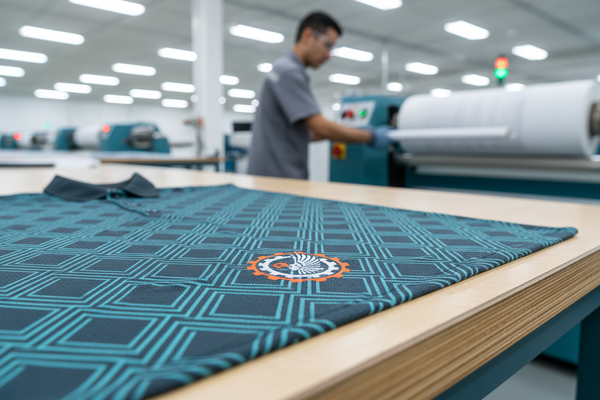
Walk through an active fulfillment center during a high-volume onboarding run, and you will see the complex coordination required to assemble a multi-component tech pack. Because apparel, technical bags, and hard goods are produced in different specialized factories, holding every vendor to a synchronized schedule is essential. If backpacks arrive two weeks after crewnecks, kit assembly stalls, driving up storage fees and threatening delivery dates for incoming cohorts.
During a site visit for a growing cybersecurity firm, the kitting supervisor showed us their assembly line for a 500-unit engineering welcome drop. By utilizing an Item Component Synchronization Framework, the company aligned delivery dates across three separate manufacturers. Apparel, backpacks, and notebooks arrived at the domestic fulfillment hub within a 48-hour window, allowing the assembly crew to pack and dispatch all 500 kits in less than three business days.
In our experience, establishing a rolling 15% inventory buffer at the central warehouse is the most effective way to eliminate onboarding shipment delays. Having extra blank stock on hand absorbs sudden hiring spikes without requiring rush production runs.
Managing Talent Cohort Size Run Volatility requires close attention to historical demographic data. Sizing distribution across engineering cohorts naturally fluctuates from month to month. Utilizing historical sizing curves prevents inventory imbalances and protects your budget from Roster Overstock Asset Depreciation.
Observing how technical backpacks are constructed reveals the importance of hardware selection. Specifying self-healing nylon coil zippers, padded laptop sleeves with false bottoms, and reinforced top carry handles ensures the bag protects expensive developer hardware during daily commutes.
Attention to apparel detail on the sewing line is equally vital. Applying flexible backing shields behind low-profile embroidered chest or cuff logos absorbs needle tension smoothly, ensuring the heavy fleece panel stays flat and comfortable against the skin.
3. Testing / Sampling Protocols for Multi-Component Kits
Before releasing bulk purchase orders for multi-item onboarding kits, putting physical pre-production samples through thorough testing confirms that finished components meet performance expectations. Standard retail evaluations often fail to test how different items perform together inside a single mailer box during parcel transit.
A fast-growing fintech company sent complete sample kits through drop and vibration testing to simulate domestic courier transit. They discovered that heavy stainless steel tumblers shifted inside the box during transit, pressing against crewneck fleece panels. By adding a custom die-cut cardboard insert that anchored the tumbler securely, they solved the movement issue completely, ensuring every kit arrived at new hires' doorsteps in pristine condition.
Is a drop test necessary for a 4-component onboarding box? Absolutely; parcel couriers handle thousands of boxes daily, and verifying that interior fitments hold items firmly prevents scuffs and damaged packaging during transit.
Buyers often assume that fabric colors automatically match across different garment styles and accessories. In practice, achieving shade consistency across cotton crewnecks, synthetic backpack linings, and polyester caps requires active color management.
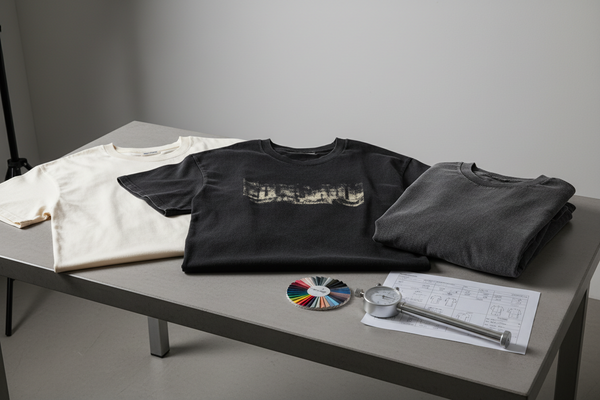
Enforcing Spectrophotometric Delta-E Variance Tracking across all vendor approvals sets an objective limit on color variance. Setting a strict Delta-E limit under 1.2 across different fabric mills prevents subtle color shifts, ensuring that every fabric component matches the master corporate brand swatch perfectly.
Evaluating Multi-Mill Dye Lot Discrepancy early in the sampling phase guarantees that top-off orders placed six months later match original baseline inventory. Standardizing core fabric colors like dark charcoal, heather grey, and deep navy simplifies reordering and preserves visual consistency across annual hiring drops.
4. Material and Component Comparison for Engineering Cohorts
Selecting the ideal combination of apparel fabrics, bag architectures, and daily accessories involves balancing material performance against total kit budgets. Engineering teams appreciate gear that offers physical durability, intuitive organization, and clean design.
Factories see this pattern regularly when tech firms update their onboarding bundles. A developer tools company evaluated three apparel options for their new hire kits, choosing a heavy combed cotton crewneck over a standard zip hoodie. The crewneck provided a structured, modern silhouette that engineers preferred for remote work and office meetings, while reducing per-unit decoration costs.
The difference between standard promotional items and executive-grade onboarding gear comes down to thoughtful feature selection. Multi-pocket backpacks featuring dedicated wire-pass-through channels, fleece-lined phone pockets, and ergonomic shoulder straps offer daily convenience that engineers use constantly.
Review the comparative component options below to match technical specifications with your agency or company's onboarding goals:
Engineering Tech Pack Component Matrix
Heavy Minimalist Crewneck100% Combed Cotton Fleece (340 GSM)Tonal cuff embroidery, structured drapeDaily remote coding, office meetingsMachine wash cool, low tumble dryMulti-Pocket Tech Backpack600D Water-Resistant PolyesterPadded 16" laptop sleeve, luggage passDaily commute, travel to engineering summitsSpot clean, air dryInsulated Thermal TumblerDouble-Wall Stainless Steel (20 oz)Powder-coated matte finish, leakproof lidDesk hydration, hot coffee retentionHand wash recommendedHardcover Grid Notebook100 GSM Acid-Free PaperDot-grid layout, interior document pocketSystem architecture sketching, meeting notesArchival quality storage| Component Category | Material Specification | Primary Functional Feature | Target Engineering Application | Maintenance Profile |
|---|---|---|---|---|
When selecting backpacks, verify strap load capacity by reviewing factory pull-test data. Reinforced box-stitching at shoulder strap anchor points ensures the bag comfortably carries heavy 16-inch developer laptops and chargers without seam strain.
Addressing the Final-Mile Domestic Kitting Bottleneck requires partnering with fulfillment centers that offer automated address validation. Verifying remote employee shipping addresses prior to dispatch eliminates returned packages and ensures new hires receive their welcome box right on their start date.
Functional Minimalist Tech Pack Advantages
- Delivers high daily utility that technical talent uses continuously at work and home.
- Clean, subtle branding creates an elevated aesthetic preferred by software engineers.
- Heavy combed cotton crewnecks hold their shape through frequent laundering.
- Multi-pocket technical backpacks provide dedicated protection for heavy laptop hardware.
Functional Minimalist Tech Pack Considerations
- Requires careful component synchronization across multiple manufacturing partners.
- Demands initial coordination to approve custom box inserts and fitment layouts.
- Slightly higher unit investment than basic promotional gift bundles.
5. Frequently Asked Questions: Streamlining Onboarding Procurement
Managing an onboarding supply chain for distributed engineering teams involves addressing practical operational questions regarding sizing distribution, inventory buffers, and fulfillment timelines. Having clear technical answers simplifies planning and keeps program execution on schedule.
During a program review for a cloud infrastructure enterprise, the talent acquisition team managed onboarding kits for 300 annual engineering hires across North America. By establishing a central safety buffer at their kitting hub and locking in master component specs, they guaranteed 48-hour delivery turnaround for every new hire, regardless of location.
How do you handle size exchanges for remote engineering hires? Maintain a centralized 12% buffer stock of core apparel sizes (Medium through Extra Large) at your fulfillment hub to ship replacement sizes within 24 hours of employee requests.
My advice to most buyers is to allocate roughly 45% of the total kit budget to a core outerwear piece, 30% to a technical backpack, 15% to desk utilities, and 10% to packaging and assembly. This balanced allocation prioritizes high-impact items that new hires appreciate immediately.
Below are clear, operational answers to common questions encountered during engineering onboarding procurement:
What is the recommended size curve distribution for engineering cohort apparel orders?
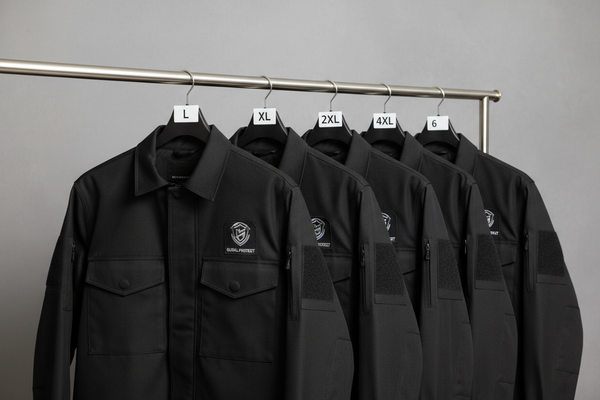
A reliable baseline size distribution for software engineering cohorts follows a 10% Small, 25% Medium, 35% Large, 20% Extra Large, and 10% 2XL breakdown. Adjust this curve based on historical company sizing records prior to issuing bulk purchase orders.
How far in advance should companies order custom onboarding kits for new hire cohorts?
Begin the sourcing process 6 to 8 weeks prior to your targeted cohort start date. This timeline allows 3 to 4 weeks for component manufacturing and decoration, 1 week for central kitting assembly, and 1 to 2 weeks for domestic distribution and address verification.
What decoration style works best on heavy fleece crewnecks for technical teams?
Low-profile, high-density embroidery placed on the left cuff or lower hip hem works exceptionally well. Tonal thread choices—such as dark grey thread on charcoal fleece—deliver a subtle, retail-quality finish that aligns with minimalist style preferences.
How can HR teams prevent item shortages during sudden hiring spikes?
Hold a rolling 15% buffer stock of pre-decorated or blank core components at your kitting center. Partnering with suppliers who maintain quick-turn stock of core blank crewnecks and backpacks allows for rapid 3-day top-off runs whenever hiring numbers expand.
6. Ending Insight: Scaling the Remote and On-Site Engineering Welcome Pipeline
Building a successful engineering onboarding program requires shifting focus from single transactional purchases toward long-term pipeline management. Establishing predictable replenishment schedules, standardized component specifications, and verified quality standards ensures your technical team receives consistent welcome packages as your organization scales.
One global technology group we assisted mapped out their engineering welcome pipeline across four regional hubs, setting up safety stock to guarantee 3-day turnaround times on all new hire packages. The automated setup allowed people operations leads to trigger kit shipments the moment an offer letter was signed, creating an impressive initial experience for incoming talent.
If I had to choose, I'd always recommend investing in heavy, high-density combed cotton fleece and structured multi-pocket backpacks for engineering onboarding. The combination of tactile luxury and daily utility builds genuine pride and belonging from day one.
Engineering Tech Pack Procurement Checklist
- Select heavy combed cotton fleece crewnecks (340 GSM) with subtle tone-on-tone cuff embroidery.
- Choose multi-pocket technical backpacks with dedicated padded laptop sleeves and water-resistant fabric.
- Establish a 12% to 15% apparel buffer stock at your central kitting hub to absorb hiring shifts.
- Enforce Delta-E color tracking across all component suppliers to ensure shade consistency.
- Integrate custom die-cut cardboard inserts to anchor hardware items securely inside mailer boxes.
- Partner with fulfillment centers offering automated address validation to ensure on-time final-mile delivery.
Investing time in thoughtful component selection, precise color management, and synchronized kitting workflows transforms remote onboarding from a simple administrative routine into a powerful culture-building asset. With structured planning and trusted manufacturing partners, curating new hire tech packs for engineering cohorts becomes a smooth, predictable, and deeply rewarding achievement.