High-Fidelity Inkjet Mapping: Direct-to-Garment (DTG) Specs on Combed Cotton
1. Method Match for Active Sets and Apparel Bundles
Selecting apparel for corporate wellness programs or giftable brand bundles requires matching the fabric substrate to its intended use. Active sets—typically composed of sports bras, crop tops, performance tees, and matching leggings or shorts—rely heavily on synthetic blend construction. Nylon-spandex and polyester-spandex fabric blends provide four-way stretch, moisture management, and structural recovery during movement. When sourcing activewear sets, fabric weight generally ranges from 220 GSM to 300 GSM; lighter weights suit breathable tops, while heavier interlock knits provide necessary opacity and compression for leggings.
Decoration compatibility on high-stretch athletic fabrics demands careful planning. Applying standard rigid plastisol screen printing across a high-stretch waistband or chest area causes the ink layer to split when the garment expands. Instead, specify high-stretch heat transfer films or silicone-based inks. Silicone inks bond directly with synthetic fibers and stretch alongside the fabric, maintaining crisp logo lines without cracking or peeling after repeated wash cycles.
For non-apparel items included in curated bundles, matching decoration style to substrate material maintains visual consistency across the entire set. Laser engraving works clean on stainless steel tumblers, removing powder coatings to reveal sharp metallic contrast. Monogrammed leather goods—like luggage tags, keychains, and daily planners—pair exceptionally well with blind embossing or metallic foil stamping, adding a subtle tactile finish that elevates the overall presentation.
2. Managing Sizing Runs and Bulk Consistency Across Multi-Item Kits
A frequent challenge when procuring apparel-based gift sets for large employee groups or customer lists is managing size distribution. Unlike standard accessories like water bottles or travel totes, active sets require dual sizing inputs for tops and bottoms. Establishing accurate demographic sizing curves early prevents inventory imbalances where middle sizes run out while extreme sizes remain sitting in storage boxes.
Definition: Component Synchronization Framework
A Component Synchronization Framework is a procurement process that aligns manufacturing timelines, decoration schedules, and delivery dates across multiple suppliers. This ensures all individual items in a multi-product bundle arrive at the kitting facility simultaneously, preventing assembly delays and warehouse storage surcharges.
When ordering matching activewear sets, build a flexible sizing buffer into your baseline purchase order. Standard bell-curve distribution models (e.g., 15% S, 35% M, 35% L, 15% XL) offer a reliable starting point for general corporate groups. If you are sourcing sets for a remote onboarding initiative or a recurring subscription model, holding a small reserve of unprinted blank sets allows quick fulfillment of last-minute sizing adjustments without triggering short-run production penalties.
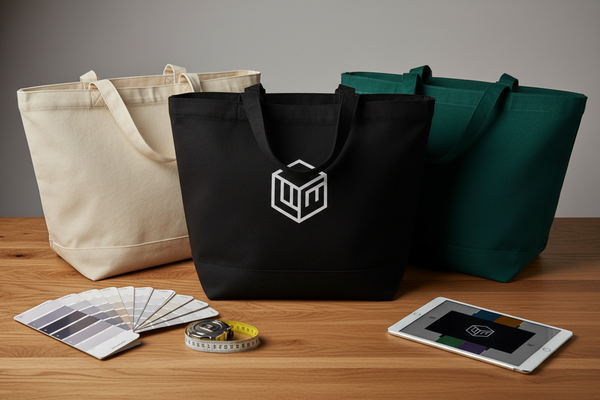
Maintaining color consistency across multi-supplier bundles requires strict lab dip approvals. If your gift box pairs a custom polyester active top with a cotton tote bag and an anodized aluminum water bottle, subtle shade variations can occur because different materials absorb dyes differently. Requesting pre-production color swatches under standard daylight viewing conditions ensures all components present a unified color palette upon unboxing.
3. Aligning Buyer Personas, Niche Categories, and Delivery Models
Structuring an effective merchandise program requires matching product formats to recipient expectations. When designing a campaign, evaluating your overall strategy clarifies whether physical products, digital items, or recurring models make the most sense for your audience. Defining these parameters early ensures your budget produces tangible engagement:
- Physical Goods Focus: Best for high-touch corporate gifting, employee appreciation, and physical event giveaways. Items like matching activewear sets, engraved stainless tumblers, and leather journals create immediate tactile connection and long-term daily utility.
- Digital Download Extensions: Ideal for lower-budget campaigns or international distribution where physical shipping is restricted. Digital planners, fitness workout logs, or downloadable event passes eliminate inventory risk and freight costs entirely.
- Subscription Box Models: Effective for extended engagement campaigns, customer loyalty programs, or 3-to-6-month wellness initiatives. Delivering recurring curated boxes maintains brand exposure across multiple seasonal touchpoints.
For corporate marketing and HR teams, combining physical products with experiential elements creates a memorable recipient experience. Pairing a custom active set with a branded water bottle and a high-density workout mat transforms a simple clothing giveaway into a complete wellness kit. Similarly, adding specialized hobby items—like at-home craft cocktail sets, DIY candle-making kits, or design-forward puzzles—turns standard client holiday gifting into an interactive activity.
4. Comparing Decoration Techniques and Material Formats
Selecting the right branding application depends on substrate composition, visual preference, and expected product use. A decoration method that works on a leather planner will fail when applied to a curved ceramic mug or an elastic waistband. Evaluating these trade-offs ensures decoration remains durable throughout the product's lifespan.
Pros of Curated Multi-Item Bundles
- Significantly higher perceived gift value than single items.
- Creates a cohesive, memorable unboxing experience.
- Allows mixing high-utility items with experiential products.
- Drives higher average order values for ecommerce programs.
Cons of Curated Multi-Item Bundles
- Requires coordinating multiple production lead times.
- Increases upfront assembly and kitting labor expenses.
- Higher shipping weight and larger carton volume.
- Requires precise sizing management for apparel elements.
For hard goods, laser engraving on double-walled stainless steel drinkware offers permanent branding that withstands commercial dishwasher cycles without fading. On monogrammed leather goods, metallic foil stamping in gold or silver delivers a crisp, sophisticated accent. When decorating active sets, dye sublimation works seamlessly on 100% white polyester fabrics, while silicone screen printing provides clean, stretch-resistant logos on dark nylon blends.
5. MOQ Structures, Lead Time Schedules, and Cost Tiers
Sourcing multi-component gift sets involves managing varying minimum order quantities (MOQs) and production schedules across different manufacturers. Off-the-shelf items like standard stainless tumblers or leather keychains modified with simple laser engraving often feature low MOQs starting at 50 to 100 units. Custom apparel manufacturing—such as custom-dyed active sets with matching tops and leggings—typically requires higher MOQs ranging from 300 to 500 sets per colorway to meet mill fabric dyeing minimums.
Lead time planning is critical when organizing event deadlines or seasonal gift rollouts. Sourcing individual components, applying custom decoration, shipping items to a central warehouse, and assembling custom printed gift boxes generally requires 30 to 45 total calendar days. Planning production schedules well ahead of target delivery dates eliminates expensive air freight surcharges and prevents missing key event cutoffs.
Volume price breaks significantly lower total unit costs when consolidating orders across departments. Combining employee onboarding activewear orders with annual wellness program merchandise allows you to hit higher factory price tiers. Furthermore, standardizing packaging box sizes across different kit variations reduces custom box manufacturing costs and simplifies fulfillment labor.
6. Quality Control and Assembly Logistics for Gift Sets
The final stage of bundle procurement centers on quality control, component inspection, and kitting execution. Before master cartons are sealed for distribution, conducting pre-assembly quality checks prevents defective units from reaching recipients.
For active sets, test seam stitching strength and waist elasticity on pre-production samples. Inspect screen printing and heat transfers for complete ink opacity and crisp edge definition. For drinkware and ceramic mugs, verify leak-proof lid seals and check metal surfaces for scratch-free finishes. For experiential kits containing food mixes or candles, ensure all interior components are securely anchored in custom die-cut foam or corrugated inserts to prevent shifting during transit.
Working with a centralized kitting partner streamlines final delivery. Providing detailed kitting instruction sheets—including exact product placement diagrams, tissue paper wrapping rules, and custom sticker placements—guarantees that every box delivers a polished presentation. By balancing material selection, decoration mechanics, and assembly logistics, procurement leads can execute high-impact gift programs that engage recipients and reflect brand quality.