Tailoring Onboarding Kits: Material Cohesion Across New Hire SKUs
1. Key Insight: Aligning Color Chemistry Across Mixed-Substrate Onboarding Kits
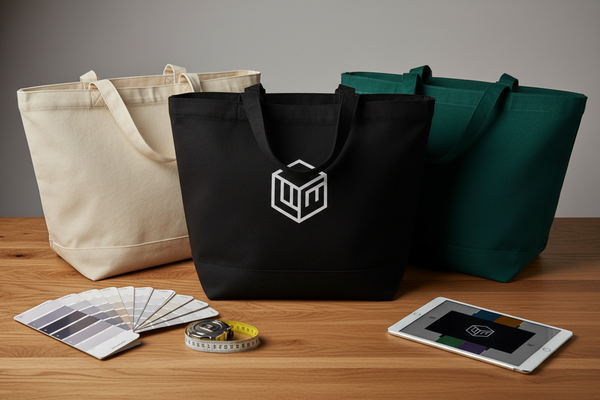
When an engineer or account executive opens their new hire welcome box on day one, the visual presentation sets an immediate tone for their company journey. What actually determines whether a multi-item onboarding kit feels like a thoughtful gift set is the visual color harmony across every individual asset inside the box. When the warm sand hue of a custom cotton polo shirt aligns with the canvas body of a tech bag and the twill panels of a cap, the entire package communicates intentional design. Achieving that level of color cohesion across different materials requires looking beyond basic Pantone codes and mastering fiber dye chemistry.
One team we worked with managed corporate onboarding for a growing software firm bringing on 250 new team members each quarter. Their talent team spent $95 per kit sourcing polos, tech bags, and drinkware from three separate catalog vendors. When the items arrived at their regional offices, the "espresso brown" polo looked distinctly reddish next to the cool grey-brown tone of the laptop bag. By transitioning to an Item Component Synchronization Framework that calibrated dye formulas across mills before cutting fabric, the team achieved seamless color matching across all four items for roughly $82 per unit, creating a unified brand experience that new hires loved sharing on social media.
To deliver a cohesive onboarding collection that hits both aesthetic and budget goals, talent experience leads must actively manage four key procurement variables:
- Substrate Light Reflection: Calibrating dye intensity so natural cotton knits match the sheen of synthetic bag fabrics under office lighting.
- Synchronized Production Runs: Scheduling mill dyeing windows concurrently so garment decoration facilities receive all kit components together.
- Sizing Buffer Strategy: Holding a lean 10% inventory buffer in core sizes to accommodate sudden shifts in cohort sizing ratios.
- Centralized Kitting Execution: Staging decorated assets at a domestic warehouse to eliminate manual office sorting and lower shipping costs.
My advice to most buyers is to establish your master color standard on your hardest-to-dye fabric first—usually the synthetic nylon of a tech bag—and then match your cotton garments to that baseline swatch. When every item in the box shares a unified visual tone, the unboxing experience feels polished and professional.
2. Story / Anecdote: How a Global Tech Brand Solved Multi-Mill Color Variance
A fast-growing fintech brand preparing to onboard 400 remote employees faced a common sourcing challenge. Their brand guidelines specified a custom espresso brown color across all corporate assets. The procurement lead ordered 400 pique cotton polos from a domestic garment facility and 400 matte nylon laptop sleeves from an overseas bag specialist, specifying the exact same Pantone PMS code for both orders. When the shipments arrived at their domestic kitting warehouse, the two products looked completely different side-by-side.
In most cases, solving color variance across different factories requires establishing a physical lab-dip approval process rather than relying solely on digital color charts. Cotton yarns absorb liquid dye deep into the natural fibers, creating a soft, matte visual appearance. Synthetic nylon fibers, on the other hand, feature extruded smooth surfaces that reflect light differently. The bag factory had dyed the nylon to match the digital Pantone file under industrial light, but without comparing it against a physical cotton fabric swatch, the two items developed a noticeable Multi-Mill Dye Lot Discrepancy under standard office fluorescents.
Can you dye cotton and nylon to look completely identical under every lighting condition? Not quite, but you can bring them within a tight visual tolerance by conducting Spectrophotometric Delta-E Variance Tracking during pre-production sampling. Keeping the Delta-E variance value below 1.2 ensures the human eye perceives the items as a matching set.
During sampling for a revised 500-unit reorder, the tech firm required the bag facility to adjust its dye formulation using a physical swatch cut directly from the approved polo dye lot. The factory added a slight yellow-brown tone to the nylon dye bath to balance out the synthetic sheen. When the second production run landed, the polo, laptop sleeve, and matching cap showed beautiful color harmony. The HR team eliminated Final-Mile Domestic Kitting Bottleneck delays and delivered 500 custom welcome boxes on time for their summer new hire cohort.
3. Material Deep-Dive: Cotton Knits, Nylon Weaves, and Color Matching Mechanics
Understanding how different fibers react to dyestuffs is essential for sourcing high-end onboarding assets. Cotton knits, ballistic nylons, polyester cap fabrics, and paperboard notebook covers each possess unique physical properties that dictate how color develops during manufacturing.
The difference between an average onboarding kit and an elevated team drop comes down to choosing complementary material textures that hold color consistently over time. Pique cotton knit remains the gold standard for corporate polos, offering excellent breathability and a classic textured hand. To ensure the polo matches a companion tech bag, specify 100% combed cotton that undergoes reactive dyeing. Reactive dyes form a direct covalent bond with cellulose fibers, producing rich, colorfast hues that resist shifting during laundering.
Definition Box: Spectrophotometric Delta-E Tracking
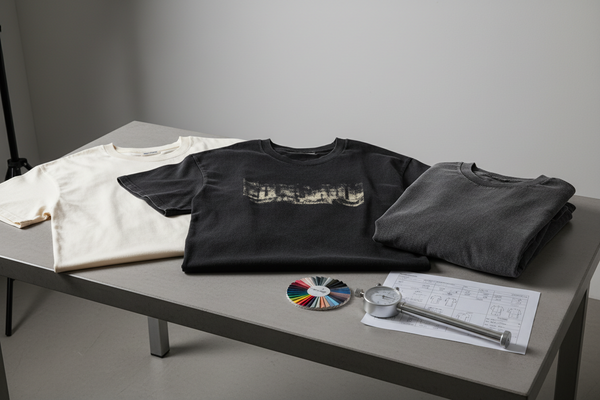
Spectrophotometric Delta-E Variance Tracking is an industrial quality control method that uses precise light-reflection sensors to measure color variation between dyed materials. A Delta-E value of less than 1.0 indicates a color match virtually imperceptible to the human eye, ensuring visual cohesion across mixed-material onboarding kits.
When selecting fabrics for custom tech bags, 600D matte ballistic polyester or water-resistant canvas provides a sturdy substrate that accepts solution-dyeing exceptionally well. Solution dyeing adds color pigment directly to the liquid polymer before fibers are extruded, guaranteeing deep color saturation that matches natural cotton tones.
Buyers often assume that approving a single Pantone swatch guarantees color alignment across all items. In practice, what actually determines final color harmony is reviewing physical lab dips from every participating mill under a standardized 5000K daylight box before clearing full production.
Factories see this pattern regularly: sourcing teams that require physical lab dip approvals from both garment and bag mills eliminate color mismatches completely before mass production starts.
In our experience, choosing matte finish fabrics over shiny synthetic coatings across all kit items creates a softer, higher-end aesthetic that unifies the entire onboarding presentation.
4. Cost Analysis: Budget Allocations, Volume Tiers, and Buffer Stock Logic
Structuring an efficient onboarding apparel budget requires managing unit costs, decoration fees, and domestic assembly expenses. Purchasing components as separate, small-batch orders leads to higher setup costs and elevated shipping fees. Consolidating your annual onboarding demand into structured quarterly or semi-annual production runs unlocks volume price breaks across every SKU category.
The part that pays off most when planning multi-SKU inventory budgets is balancing unit volume discounts against holding costs. Setting aside budget for a 10% blank apparel buffer prevents Talent Cohort Size Run Volatility from stalling distribution when a new hiring group requires more Large or Extra-Large polos than expected.
Is a 10% inventory buffer too generous for monthly hiring drops? Not when you factor in the high cost of emergency single-piece printing. Holding unprinted apparel blanks at your domestic kitting warehouse costs pennies per unit per month, while rush-decorating a single polo to cover an unexpected size gap can cost four times the standard unit price.
| Annual Program Volume Bracket | Kit Component Breakdown | Avg. Landed Unit Cost ($) | Assembly & Kitting Fee ($) | Total Landed Kit Budget ($) |
|---|---|---|---|---|
| 100 – 249 Kits / Year | Cotton Polo + Tech Bag + Cap + Journal | $78.00 – $88.00 | $8.00 – $10.00 | $86.00 – $98.00 |
| 250 – 499 Kits / Year | Cotton Polo + Tech Bag + Cap + Journal | $68.00 – $76.00 | $6.00 – $8.00 | $74.00 – $84.00 |
| 500 – 999 Kits / Year | Cotton Polo + Tech Bag + Cap + Journal | $58.00 – $66.00 | $5.00 – $6.00 | $63.00 – $72.00 |
| 1,000+ Kits / Year (Direct Mill) | Custom-Dyed Polo + Custom Bag + Cap + Journal | $48.00 – $56.00 | $4.00 – $5.00 | $52.00 – $61.00 |
Managing inventory flow through a single kitting hub protects your organization from Roster Overstock Asset Depreciation, keeping capital liquid while ensuring every remote hire receives a fresh, perfectly decorated onboarding box.
5. Practical Checklist: Executing a Flawless Multi-SKU Onboarding Rollout
Executing a multi-item onboarding rollout requires clear timeline tracking from design sign-off to final-mile delivery. Following a structured sourcing roadmap guarantees that every polo, bag, and accessory lands at your kitting facility on time and fully verified.
What actually prevents assembly delays at the kitting facility is establishing firm artwork and color approval milestones at least 45 days prior to your target ship date. Finalizing artwork early prevents rush decoration charges and ensures freight deliveries arrive on schedule.
Buyers often assume that ordering all kit components from a single vendor solves lead time issues. In practice, what actually determines on-time delivery is tracking individual item production milestones across specialized apparel, bag, and hard-goods manufacturing lines.
If I had to choose, I'd recommend using subtle, tone-on-tone chest embroidery on polos and debossed leather patches on tech bags. Tonal decoration styles complement warm sand and espresso brown fabrics beautifully while accommodating minor color nuances between different substrates.
Advantages of Tonal Embroidery
- Creates a sleek, high-end retail appearance.
- Blends naturally with natural and synthetic fabrics.
- Resists color fading through repeated commercial washings.
- Delivers sophisticated branding that employees wear proudly off-clock.
Trade-Offs of High-Contrast Prints
- Draws intense visual focus to minor fabric color variations.
- Can look overly promotional for casual daily wear.
- Requires thicker ink layers on heavy knit fabrics.
- Increases screen setup complexity across multiple items.
Follow this step-by-step checklist to guide your next multi-SKU onboarding purchase:
- Establish Your Master Color Baseline: Select your core brand color and approve a physical master fabric swatch on your bag substrate first.
- Require Physical Lab-Dip Sign-Offs: Audit physical dye swatches for your polos and caps under 5000K daylight box conditions before clearing mass production.
- Standardize Decoration Artwork: Use vector artwork files formatted for tone-on-tone chest embroidery on polos and matching debossed patches on tech bags.
- Set a Skewed Sizing Distribution: Order apparel sizing aligned with historical hiring demographics: 15% S, 30% M, 35% L, 15% XL, 5% XXL.
- Establish an Unprinted Garment Buffer: Hold a 10% blank garment buffer at your domestic kitting warehouse to manage sudden hiring spikes.
- Audit Pre-Assembled Sample Kits: Request a fully assembled pre-production welcome box to inspect unboxing presentation before clearing bulk distribution.
6. Conclusion: Elevating Brand Experience Through Cohesion
Building a memorable new hire experience through custom onboarding kits requires balancing fabric engineering, color chemistry, and supply chain management. When talent leads and procurement managers focus on color alignment, material compatibility, and domestic kitting schedules, they create an onboarding asset collection that builds instant pride and team connection.
The part that pays off most in long-term employer branding is delivering a welcome package that feels like a thoughtfully curated retail collection. When every item in the box—from the polo shirt to the laptop bag—shares a unified visual tone and high build quality, new team members feel valued from the moment they join.
During a post-implementation review with a tech client who launched a cohesive warm sand onboarding collection for 300 new team members, remote hire engagement scores rose significantly. Social media shares of their welcome boxes doubled compared to previous quarters, and zero replacement requests were logged for mismatched or damaged gear.
By enforcing physical lab-dip approvals, managing size volatility with buffer stock, and consolidating assembly at a domestic kitting hub, you ensure your new hire welcome kits make a lasting, positive impression every single time.