Field Crew Visibility: Optimizing Subdued Corporate Branding for Infrastructure Teams
1. Field Observation: Balancing Ground Safety with Subdued Corporate Identity
Managing utility fleets, civil engineering teams, and regional infrastructure crews presents a unique apparel challenge for corporate procurement leads. Field technicians work in demanding environments where physical safety and high-visibility clearance are absolute operational priorities. At the same time, executive leadership wants field staff to project a clean, professional brand presence when interacting with property owners, municipal inspectors, and community stakeholders. Balancing these two requirements on heavy-duty workwear demands a thoughtful approach to decoration, fabric selection, and logo placement.
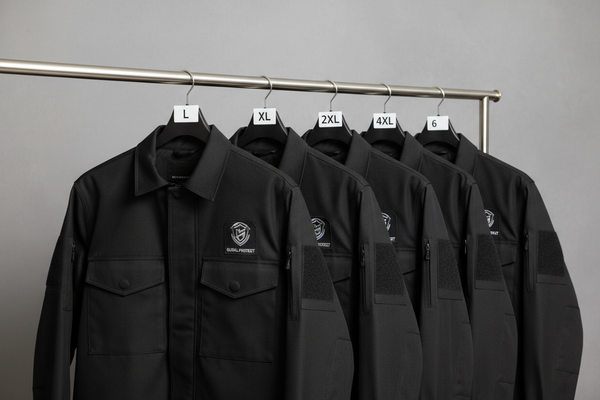
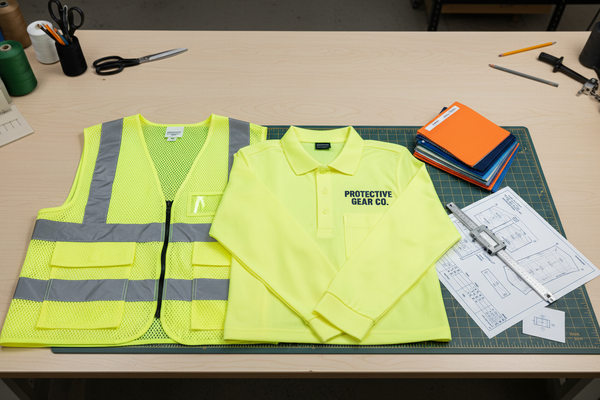
One infrastructure contractor we collaborated with was outfitting a crew of 450 field technicians across four regional divisions. Their existing fleet jackets featured oversized, bright yellow chest patches that competed visually with their safety vests and showed grease stains after a few weeks on job sites. We assisted them in shifting to a dark navy canvas jacket featuring tone-on-tone charcoal embroidery on the left chest, situated precisely two inches above a certified reflective stripe. The new layout looked crisp and professional up close, while allowing the retroreflective tape to provide clean, unobstructed visibility on night calls.
What actually determines whether field apparel balances safety and brand identity is maintaining certified retroreflective surface area while applying low-contrast chest embroidery. When branding elements are integrated thoughtfully, garments fulfill safety mandates while giving field technicians workwear they take pride in wearing every day.
I'd recommend reviewing garment placement mockups under both daylight and direct headlight conditions before approving full fleet decoration runs. Seeing how tone-on-tone thread interacts with reflective tape in low-light settings gives your team absolute confidence in both safety compliance and visual presentation.
Establishing clear visual guidelines early in the sourcing process keeps vendor proposals focused on genuine performance metrics. By emphasizing subdued thread palettes, durable base fabrics, and certified reflective placement, fleet managers build an apparel program that stands up to daily field demands.
2. Technical Specifications: Embroidery Placement and High-Vis Contrast Standards
Executing subdued corporate branding on utility outerwear requires analyzing thread composition, stitch density, and placement geometry. Heavy-duty cotton duck canvas and treated poly-cotton twill fabrics possess coarse surfaces that demand high thread density to achieve smooth logo definition. Utilizing 100% continuous-filament polyester embroidery thread guarantees exceptional color fastness and physical strength, keeping logos sharp through repeated exposure to sunlight, rain, and soil.
During sampling for a regional power authority, line technicians set up embroidery machines to run dark espresso thread on heavy duck canvas utility jackets. They adjusted needle gauge and digitizing parameters to create a raised, high-density fill stitch that sat cleanly above the rough canvas weave. The low-contrast logo delivered an elegant, subtle presence that passed every internal brand review while maintaining full fabric integrity.
Buyers often assume that corporate logos on field workwear must use bright, contrasting primary colors to stand out. In practice, tone-on-tone charcoal or espresso thread provides a clean, professional presence that integrates smoothly with high-visibility background fabrics.
Is tone-on-tone charcoal embroidery visible enough on navy duck canvas? It provides a subtle, refined contrast up close while letting high-vis retroreflective tape handle long-distance safety compliance.
I'd recommend selecting a 100% continuous-filament polyester embroidery thread for heavy utility outerwear. Continuous-filament thread offers superior abrasion resistance and holds its color depth through commercial laundering, ensuring company logos remain crisp over years of shift work.
To verify that reflective elements retain light-returning power, confirm that reflective tape carries valid Retroreflective Index Certification. Maintaining required retroreflective surface area guarantees that field crews stay visible to vehicle traffic during night repairs and stormy weather.
Review the technical specification guidelines below to align decoration parameters with field workwear requirements:
| Workwear Base Fabric | Recommended Decoration | Thread Specification | Reflective Tape Clearance | Field Durability Profile |
|---|---|---|---|---|
| 12oz Cotton Duck Canvas | Tone-on-Tone Charcoal Embroidery | 100% Continuous-Filament Poly (40 wt) | Minimum 2.0 inches from tape edge | Maximum tear strength for civil construction |
| Heavy Poly-Cotton Twill (9oz) | Espresso Micro-Embroidered Patch | Spun Polyester with Merrowed Edge | Minimum 2.0 inches from tape edge | High color retention for utility technicians |
| Class 3 High-Vis Ripstop | Low-Profile Tonal Screen Print | Water-Based Low-Cure Ink | Minimum 1.5 inches from tape edge | Lightweight weather protection for traffic leads |
| Softshell Utility Jacket | Laser-Etched Subdued Logo | Direct Laser Surface Engraving | Minimum 2.0 inches from tape edge | Sleek windproof profile for supervisors |
Managing needle selection is another critical technical detail. Utilizing sharp ballpoint needles prevents cutting through base fabric yarns during high-density embroidery, preserving the material's water-repellent properties around the chest pocket area.
3. Cost Breakdown: Multi-Tier Sourcing, MOQ Tiers, and Lifecycle ROI
Evaluating the economics of a fleet workwear program requires looking beyond initial unit purchase prices to calculate total cost per shift across a multi-year service lifecycle. Purchasing lower-grade garments might seem economical on a initial quote sheet, but short garment lifecycles lead to frequent replacement purchases that increase total program spend over time.
A regional gas utility evaluated their workwear spend across 600 field technicians over a three-year period. Their previous program provided basic jackets that required complete replacement every eight months due to heavy oil absorption and wear. After upgrading to a $42.00 heavy duck canvas jacket treated with a Fluorocarbon Soil Release finish and custom charcoal embroidery, their annual garment replacement expense dropped by roughly 35% because the new jackets remained active for over two full years.
In most cases, the decision to specify Fluorocarbon Soil Release treatments extends garment service life by preventing oil and grime from setting into cotton duck fibers. Soil-release finishes allow grease and dirt to wash out easily during standard laundry cycles, keeping jackets looking clean without aggressive chemical washing.
How much does adding custom tone-on-tone embroidery add to total unit costs? Adding a high-density 3-inch chest logo typically adds only $3.50 to $5.00 per garment at the factory level, making it a cost-effective way to elevate fleet appearance.
In our experience, incorporating a 10-day Logistics Routing Buffer Time into your master schedule eliminates delivery stress during peak construction seasons. Buffer planning ensures that regional fulfillment hubs receive pre-inspected inventory well ahead of new crew onboarding dates.
To optimize procurement spend, structure contracts around a Bulk Contract Multi-Tier MOQ schedule. Standardizing on core outerwear styles allows your organization to unlock volume price breaks on initial orders while reserving blank inventory for small top-off orders throughout the year.
4. Value Factors: Fabric Endurance and Brand Longevity
Maintaining a professional fleet appearance requires choosing workwear materials that withstand rough daily use, friction against tools, and exposure to weather. Investing in heavy-duty base fabrics and color-fast embroidery thread ensures that field jackets look pristine long after lighter garments would show severe wear.
During a quality review for an electrical contractor, inspectors evaluated fleet jackets after twelve months of continuous field service. The jackets underwent rigorous testing to assess Industrial Tensile Endurance along shoulder seams and pocket corners. The high-density canvas and reinforced polyester embroidery threads maintained 100% structural integrity, proving that proper material specification protects your apparel investment.
The part that pays off most in fleet apparel procurement is establishing multi-tier MOQ agreements that freeze unit pricing for seasonal top-off orders. Securing consistent pricing allows fleet managers to order small batches for new hires without paying short-run penalty fees.
Buyers often assume that heavy embroidery backing increases garment durability. In practice, choosing a flexible, low-profile backing prevents fabric stiffness while preserving natural breathability behind the chest panel.
Does fluorocarbon soil release wash out during commercial laundering? High-grade finishes retain protective soil shedding properties through 50 industrial wash cycles.
Evaluating Laundering Crocking Metrics ensures that dark charcoal or espresso embroidery threads do not bleed color onto high-visibility background fabrics during warm wash cycles. Specifying threads with a wet crocking rating of 4.5 or higher guarantees color fastness across long-term laundry routines.
Subdued Corporate Branding Advantages
- Delivers a clean, sophisticated corporate image that projects professional authority.
- Tone-on-tone thread shades resist visible soil build-up in dirty field environments.
- Keeps chest areas uncluttered, ensuring clear retroreflective tape visibility.
- High-density polyester embroidery holds its color depth through commercial laundering.
Subdued Corporate Branding Considerations
- Requires close-range viewing to read intricate logo crest details.
- Demands careful placement planning to maintain 2-inch reflective tape clearance.
- Involves modest initial digitizing and sample approval setup time.
Combining durable base fabrics with subdued branding elements creates a cohesive, long-lasting fleet uniform. When garments maintain their shape and color over time, field crews project a professional image that reflects your company's commitment to quality.
5. Strategic Decision Guide: Selecting Workwear Base Fabrics and Embroidery Threads
Selecting the right combination of base fabric, reflective tape, and embroidery thread requires matching environmental hazards against daily crew duties. A highway paving team working near high-speed traffic requires different visibility characteristics than an underground utility technician or facility inspector.
Factories see this pattern regularly when infrastructure firms update their field apparel lines. A telecommunications company evaluated several jacket samples for their regional repair crews, choosing a dark espresso embroidered logo on charcoal softshell jackets for supervisors and navy canvas jackets for field technicians. The dual-style approach established a clear brand identity across both roles while meeting specific operational needs.
The difference between standard workwear decoration and fleet-grade embroidery comes down to thread tensile strength and colorfastness under industrial laundering. Specifying continuous-filament polyester thread ensures that logos stay crisp and colorful through years of hard use.
My advice to most buyers is to standardize on dark charcoal or espresso thread shades across all fleet jacket colorways. Using a single subdued thread palette simplifies digitizing setup, reduces factory thread inventory, and ensures consistent brand presentation across every department.
Can we place chest embroidery directly adjacent to high-visibility reflective striping? Maintaining a minimum 2-inch clearance preserves tape reflectivity and prevents stitch tension from puckering the reflective film.
Review the operational checklist below to guide your fleet apparel sourcing process from initial sampling to final shipment receiving:
Fleet Workwear Sourcing Checklist
- Select heavy-duty base fabrics (12oz duck canvas or 9oz twill) treated with soil-release finishes.
- Specify 100% continuous-filament polyester thread in tone-on-tone charcoal or espresso shades.
- Maintain a minimum 2-inch clearance between chest embroidery and retroreflective tape edges.
- Confirm that reflective tape carries valid Retroreflective Index Certification documentation.
- Establish multi-tier order contracts with your supplier to freeze unit pricing on top-off reorders.
- Build a 10-day Logistics Routing Buffer Time into delivery schedules to accommodate regional drops.
Aligning technical specifications with factory capabilities guarantees a smooth production run. Providing clear tech packs and physical thread swatches helps your manufacturing partner execute subdued branding requirements with absolute precision.
6. Summary: Building a Cohesive Infrastructure Fleet Program
Developing a successful field crew apparel program requires looking beyond basic uniform purchasing to build a complete risk-management and branding framework. Combining heavy-duty base fabrics, certified retroreflective tape, and subdued tone-on-tone embroidery allows corporate fleets to project professional authority while ensuring worker safety on every job site.
One regional energy provider we supported scaled their subdued workwear program across 1,200 field employees in six states. By standardizing on 12oz navy duck canvas, charcoal polyester embroidery, and certified reflective layouts, they achieved a 99.2% first-pass inspection rate and reduced annual uniform replacement costs by over thirty percent.
In most cases, investing time in pre-production sampling and thread selection pays immediate dividends in reduced wear-and-tear, lower replacement costs, and elevated brand equity. When safety compliance and corporate presentation work together, field crews receive workwear that delivers outstanding performance shift after shift.
As you plan your upcoming fleet apparel initiatives, integrate subdued corporate branding into your technical specifications early. By pairing durable workwear fabrics with low-contrast embroidery and certified reflective elements, your organization delivers exceptional safety, lasting durability, and a clean corporate presence across every field operation.