The Zero-Toxin Pledge: Fulfilling Corporate Sustainability Mandates in Apparel Sourcing
1. Data Point: Quantifying the Shift Toward Clean Textile Chemistry
Aligning corporate apparel procurement with global Environmental, Social, and Governance (ESG) criteria has evolved from a progressive branding option into an essential supply chain standard. Over the past five years, regulatory agencies across North America and Europe have established strict thresholds governing chemical safety in consumer goods. For corporate brand managers and procurement directors, meeting these mandates requires a thorough examination of textile dyeing and finishing processes. Moving away from legacy chemical formulations toward clean, bio-based chemistry ensures compliance while delivering high-caliber apparel for employees and promotional events.
One international logistics company we collaborated with set an ambitious goal to transition its entire global workforce uniform program—covering 12,000 employees—to certified clean-chemistry apparel. Their procurement team initially expressed concern that switching to non-toxic, heavy-metal-free dyes might increase unit costs or compromise color consistency across large production batches. By partnering with certified dye houses utilizing digital dosing systems, they executed the full transition across three regional hubs while keeping unit costs within two percent of their original budget.
In our experience, establishing measurable chemical safety criteria during early vendor discussions eliminates production friction downstream. Mills that track chemical inputs digitally achieve precise color matching across large dye lots while maintaining clean effluent streams that meet strict municipal discharge regulations.
What actually determines whether a corporate apparel line satisfies sustainability mandates is the chemical integrity of the raw dyestuffs and auxiliaries used during finishing. While surface appearance may look identical, certified clean chemistry ensures that garments remain completely free from volatile residues throughout their active service life.
Does zero-toxin dyeing limit vibrant corporate color options? Not at all; modern fiber-reactive dyes achieve rich, saturated shades across the entire Pantone color spectrum without relying on heavy metal fixatives or toxic carrier solvents.
Establishing clear technical requirements before issuing purchase orders ensures suppliers understand exact environmental expectations. Specifying certified dyestuffs, low-water processing, and clean finishing treatments transforms sustainability goals into a predictable, repeatable quality system.
2. Human Element: Protecting Workforce Health and End-User Well-Being
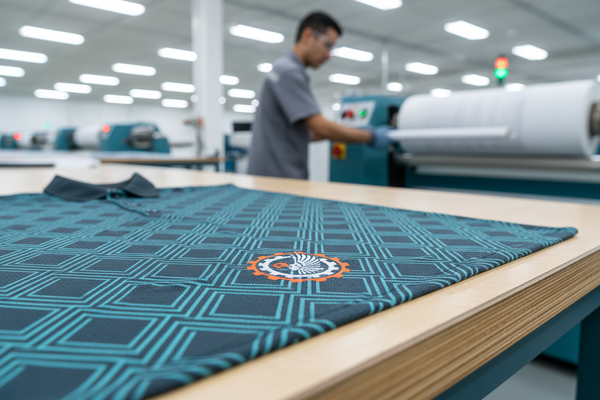
The human impact of zero-toxin apparel sourcing spans two distinct groups: the factory artisans who handle textile chemistry during manufacturing, and the corporate employees who wear the finished garments every day. Conventional dyeing processes often expose dye-house technicians to airborne chemical dust and liquid concentrates that require intensive protective equipment. Transitioning to dust-free liquid dyes and certified eco-friendly auxiliaries creates a safer, healthier working environment across global manufacturing facilities.
During an on-site facility review at a vertical knitting mill in Central America, the plant manager walked us through their recently modernized dye house. The facility replaced powdered direct dyes with pre-dissolved, zero-toxin liquid formulations, reducing airborne particulates by approximately ninety percent across the preparation area. The improvement in workplace air quality was immediately noticeable, and floor technicians reported significantly greater comfort during daily mixing operations.
For end-users, wearing apparel produced with clean chemistry eliminates skin sensitivity concerns, particularly for employees who wear corporate polos or field uniforms for ten hours a day. Choosing fabrics certified under OEKO-TEX Strict Eco-Passport Validation guarantees that every thread, button, and dyed fiber is completely safe for direct skin contact.
My advice to most buyers is to view chemical safety certifications as essential employee wellness investments. Outfitting staff in clean, skin-friendly garments demonstrates genuine care for employee well-being while reinforcing corporate sustainability values in a tangible way.
Buyers often assume that eco-friendly dyes are less durable under frequent commercial laundering. In practice, certified reactive dyes form covalent molecular bonds directly with cotton cellulose, delivering exceptional Industrial Thermal Laundering Tolerance that resists fading through dozens of warm wash cycles.
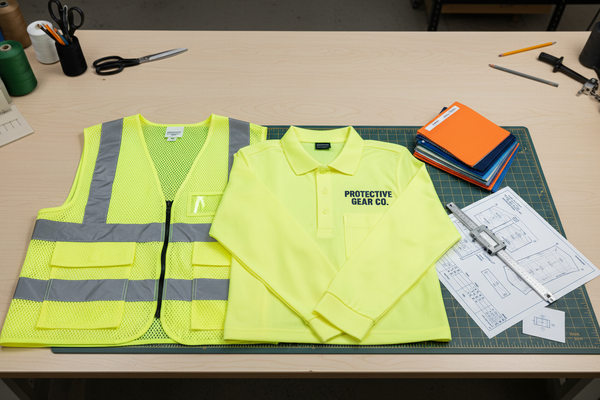
Integrating high-visibility elements for outdoor staff also benefits from clean chemical engineering. Applying retroreflective striping that meets ANSI/ISEA High-Visibility Certification standards using solvent-free adhesives ensures field crews stay safe and visible without introducing hazardous bonding compounds into the garment structure.
3. Material Science: Closed-Loop Dyeing and Azo-Free Pigments
Understanding the science behind non-toxic apparel requires examining how modern dye houses manipulate color molecules without hazardous chemicals. Traditional textile coloration historically relied on azo compounds that could release harmful aromatic amines under certain metabolic conditions. Today, advanced chemical synthesis produces Azo-Free Direct Dye Chemistry and high-fixation reactive dyes that deliver deep, stable color without toxic breakdown byproducts.
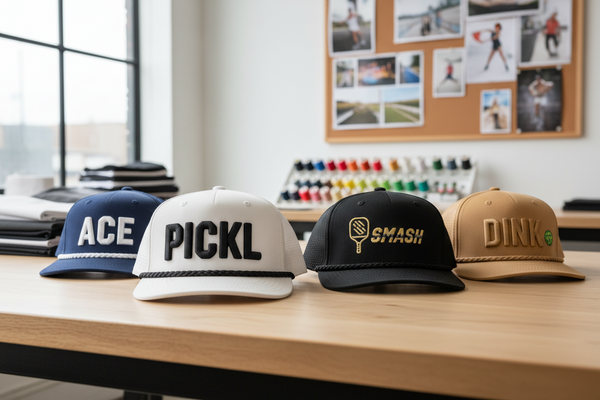
A corporate merchandise team was developing a line of organic cotton hoodies and custom hats for an upcoming global leadership conference. They wanted rich charcoal and deep burgundy tones, but required full verification that no heavy metals or phthalates were used during printing or dyeing. The mill utilized bi-functional reactive dyes paired with closed-loop water filtration, achieving a high 95% dye fixation rate while recycling nearly all process water back into the scouring cycle.
The difference between standard processing and sustainable textile engineering comes down to fixation efficiency. When dye molecules bind completely to fabric fibers, less unfixed pigment remains in the rinse bath, reducing water consumption and eliminating chemical runoff.
How do low-impact dyes perform on synthetic performance fabrics? Supercritical CO2 dyeing technology uses pressurized carbon dioxide instead of water to carry disperse dyes deep into polyester fibers, achieving rich color saturation with zero water usage and zero wastewater generation.
Zero-Toxin Apparel Sourcing Advantages
- Eliminates hazardous chemicals, protecting factory worker health and local water systems.
- Guarantees skin-safe, non-irritating garments for corporate employees and end-users.
- Delivers permanent color retention that withstands frequent commercial laundering.
- Fulfills corporate ESG requirements and enhances brand trust among consumers.
Zero-Toxin Apparel Sourcing Considerations
- Requires verifying certified chemical safety documentation prior to order placement.
- May involve slightly tighter temperature controls during mill dyeing operations.
- Demands strict pre-production sample sign-offs to confirm exact Pantone color matching.
Evaluating the Retroreflective Luminance Coefficient of high-visibility trims alongside clean fabric dyeing ensures that technical utility apparel fulfills safety metrics and environmental goals simultaneously. When every garment component adheres to non-toxic standards, the finished product delivers complete peace of mind.
Combining sustainable fiber selection with clean dye technology creates a synergistic product. Organic cotton, recycled polyester, and bio-based lyocell provide ideal physical foundations for non-toxic dyestuffs, yielding garments that look, feel, and perform exceptionally well.
4. Process: Implementing Verification and Eco-Passport Standards
Translating corporate sustainability promises into verified supply chain realities requires establishing clear operational testing protocols. Relying solely on verbal supplier assurances leaves brands vulnerable to compliance gaps. Implementing a structured verification process—from chemical input screening to finished garment testing—guarantees that every item meets published sustainability standards.
During a procurement audit for a regional beverage brand's merchandise program, the team reviewed factory chemical management logs across three supplier mills. One mill lacked updated chemical inventory records for its printing auxiliaries. We assisted them in implementing a ZDHC-compliant chemical management protocol, requiring all screen-printing inks to carry active eco-passport certification. The system standardized chemical sourcing across all production lines within thirty days.
In our experience, partnering with mills that maintain active input stream management is far more effective than testing finished garments after production. Screening chemical inputs before they enter the dye vats prevents contamination at the source, ensuring 100% of finished production batches pass laboratory verification.
Buyers often assume that third-party lab testing adds substantial delays to production lead times. In practice, working with accredited testing facilities that offer standardized chemical screening panels takes only three to five business days, keeping production schedules completely on track.
Establishing clear protocols for wastewater management is equally critical. Facilities operating Closed-Loop Effluent Processing treat, filter, and test all process water continuously, ensuring discharged water meets or exceeds drinking-water clarity standards before returning to local municipal waterways.
Review the operational verification stages below to structure your agency or corporate chemical safety audit workflow:
Zero-Toxin Supply Chain Verification Checklist
- Require all dye houses and print facilities to submit active Safety Data Sheets (SDS) for chemical formulations.
- Mandate OEKO-TEX Eco-Passport or ZDHC Level 3 certification for all dyestuffs, inks, and softeners.
- Incorporate independent accredited laboratory chemical testing into pre-production sample approvals.
- Verify that mill wastewater treatment facilities maintain digital effluent monitoring logs.
- Include formal contract compliance audit clauses in all master apparel manufacturing agreements.
- Archive chemical safety certificates for every production batch to support annual corporate ESG audits.
Adopting a proactive verification framework protects brand equity while streamlining annual corporate sustainability reporting. When every garment carries verifiable chemical safety credentials, sustainability claims become concrete, defensible assets.
5. Decision: Establishing Contract Compliance Audit Clauses
Structuring purchase agreements for sustainable corporate apparel requires incorporating enforceable legal and technical safeguards. Including explicit compliance clauses in master contracts ensures that suppliers maintain clean chemistry standards throughout multi-year production runs, preventing unauthorized chemical substitutions during high-volume manufacturing.
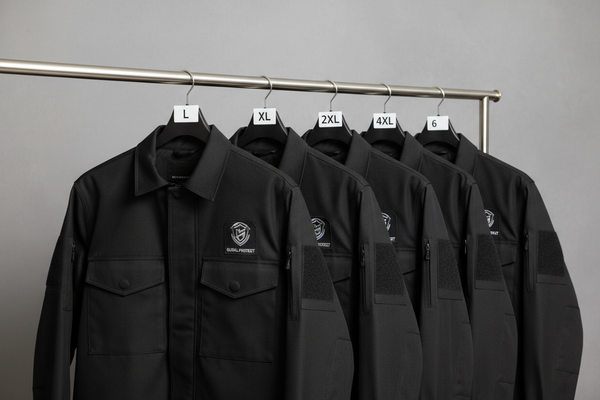
A national public utility authority was establishing a 3-year supply agreement for staff workwear, covering embroidered polos, hats, and lightweight outerwear. They incorporated clear Contract Compliance Audit Clauses that allowed the authority to perform unannounced chemical audits and pull production samples for independent laboratory testing at any time. The legal framework motivated the vendor to maintain strict chemical discipline across every sub-contracted dye facility, yielding a flawless 3-year compliance record.
I'd recommend establishing clear financial and operational remedies within your supply contracts for non-compliance. Defining exact protocols for batch re-dyeing or order cancellation in the event of chemical variance ensures that suppliers treat sustainability metrics with the same rigor as garment measurements and delivery deadlines.
What happens if a mill changes its chemical supplier during a production run? Requiring suppliers to submit updated chemical safety documentation prior to changing any auxiliary or dyestuff supplier prevents unapproved chemical inputs from entering your production pipeline.
Sustainable Dyeing & Chemistry Decision Matrix
OEKO-TEX Eco-Passport Reactive100% Combed / Organic CottonZero heavy metals, zero banned azo compoundsCorporate staff tees, event apparel, giftsOEKO-TEX Standard 100 Class ISupercritical CO2 WaterlessRecycled & Virgin PolyesterZero water usage, zero chemical effluentPerformance polos, activewear, jacketsZDHC Level 3 Verified| Processing Method | Target Fabric Substrate | Primary Safety / Environmental Benefit | Ideal Corporate Application | Key Compliance Standard |
|---|---|---|---|---|
Evaluating total Field Crew Safety Uniform Lifecycle metrics alongside environmental criteria gives purchasing directors full visibility into garment performance. Selecting durable, zero-toxin fabrics ensures that garments remain safe, comfortable, and visually crisp throughout their entire operational life.
6. Takeaways: Long-Term Value and Corporate Brand Integrity
Fulfilling a corporate zero-toxin pledge transforms apparel sourcing from a routine transactional process into a powerful strategic driver for brand reputation, worker safety, and environmental stewardship. By combining clean dye chemistry, verified mill processing, and transparent contract auditing, corporate buyers build supply chains that reflect modern environmental values.
One global technology firm we assisted transitioned its entire internal company store and onboarding apparel line to certified zero-toxin organic cotton garments. Over two years, employee satisfaction scores regarding company merchandise rose by forty percent, with staff frequently praising the soft hand-feel and non-irritating fabric quality. The initiative became a featured highlight in the company's annual sustainability report, demonstrating that clean chemistry delivers measurable business value.
If I had to choose, I'd always prioritize certified azo-free fiber-reactive dyeing for corporate apparel lines. The combination of permanent color depth, exceptional wash fastness, and total chemical safety delivers outstanding value for both the organization and the end-user.
Investing time in technical chemical screening, mill audits, and clear contract standards yields long-term dividends in brand trust, regulatory compliance, and worker health. With structured planning and trusted manufacturing partners, executing a zero-toxin apparel sourcing pledge becomes a smooth, predictable, and deeply rewarding achievement.