The Executive Welcome Pack: Transitioning Remote Personnel into Brand Culture
1. Industry History: From Disparate Swag to Curated Onboarding Lifecycles
Corporate gifting and onboarding merchandise have undergone a major transformation over the past decade. In earlier years, employee welcome gifts often consisted of random promotional items pulled from stock closets and shipped in oversized generic cardboard boxes. As remote and hybrid work models became standard across global enterprises, corporate leaders realized that physical onboarding touchpoints play a vital role in building institutional culture. Today, the welcome box serves as a physical bridge between a distributed employee and the company's core values.
One technology team we worked with was expanding its engineering division across eighteen states. They initially shipped uncoordinated vendor packages containing basic t-shirts and plastic water bottles. After reviewing new hire feedback, they streamlined their approach by creating a unified onboarding package featuring a custom-printed E-flute mailer box, a midweight fleece crewneck, a structured cap, and a stainless steel drinkware piece. The coordinated presentation created an immediate sense of pride, with new hires sharing photos of their welcome packages on social networks during their first week.
What actually determines the success of a remote onboarding kit is how effectively the unboxing experience translates corporate values into a tangible tactile moment. When an employee opens a structural box to find carefully arranged, high-caliber items that fit comfortably and look professional, it reinforces their decision to join the organization.
Sourcing an executive welcome pack requires moving away from cheap novelty items toward durable, daily-use workwear and refined accessories. By focusing on material quality and clean logo execution, people operations managers build onboarding programs that deliver lasting engagement.
Coordinating multiple suppliers—from packaging manufacturers and apparel decorators to hard-goods suppliers—demands structured planning. Establishing clear visual standards early ensures that every component inside the box feels like it belongs to the same cohesive collection.
2. Material Evolution: Unboxing Packaging Engineering and Workwear Selection
The foundation of an executive welcome pack rests on two primary physical pillars: the structural mailer box and the enclosed branded apparel. The packaging creates the initial visual impact, while the workwear provides long-term daily utility. Selecting materials that balance durability, aesthetic appeal, and transit protection guarantees that the kit arrives at the employee's doorstep in flawless condition.
During a program redesign for a financial services firm, the procurement team evaluated several box constructions. They initially considered a rigid gift box, but realized the weight would increase air freight costs for remote delivery. We recommended an E-flute corrugated mailer featuring custom roll-end tuck flaps and a soft-touch exterior finish. The E-flute structure provided exceptional crush resistance while saving close to three dollars per kit in domestic freight expenses.
Buyers often assume that increasing garment fabric weight automatically makes an onboarding kit feel more luxury. In practice, the combination of fabric hand-feel, refined embroidery stabilization, and box presentation dictates perceived value.
Is a custom rigid box necessary for every onboarding tier? Not always; heavy E-flute corrugated mailers offer structural protection at a third of the packaging weight, allowing you to reallocate budget toward higher-quality apparel options.
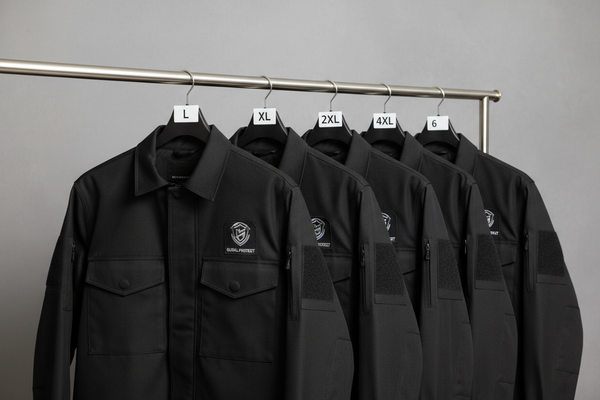
When selecting apparel for remote teams, choosing versatile garments like combed cotton fleece crewnecks or structured softshell jackets yields exceptional daily wear. Ensuring the fabric undergoes Cellulose Stabilization during finishing prevents shrinkage during home laundering, preserving fit and comfort over time.
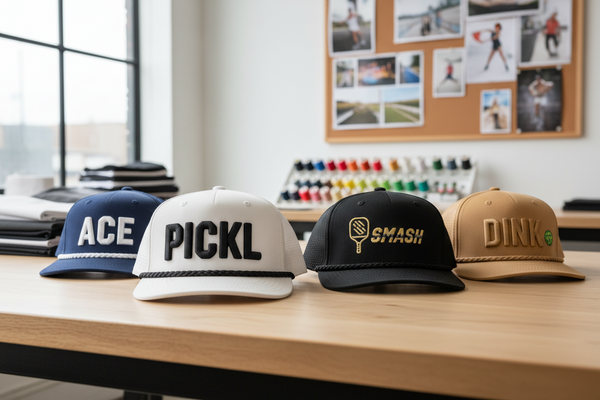
Headwear selection also benefits from careful material choices. A 6-panel structured cap made from a durable cotton-poly twill offers a crisp, professional profile that pairs well with corporate fleece, making it a popular addition to welcome packages.
Integrating custom die-cut foam or cardstock inserts keeps items securely anchored inside the mailer box. When components stay neatly positioned during transit, the unboxing sequence feels deliberate, organized, and professional.
3. Operational Innovation: Component Synchronization and Inventory Management
Managing the supply chain for distributed onboarding kits involves coordinating multiple manufacturing processes into a single delivery timeline. Because kit items—such as boxes, caps, jackets, and tumblers—are often produced in different facilities, holding all components to a synchronized timeline prevents warehouse delays and extra holding fees.
A fast-growing software company encountered scheduling friction when their custom tumblers arrived three weeks after their decorated hoodies, stalling kit assembly at their domestic fulfillment center. By establishing an Item Component Synchronization Framework, the company aligned production schedules across all three suppliers. The synchronized workflow reduced kit assembly turnaround from twenty-one days down to five business days.
In our experience, establishing a rolling 15% inventory buffer at the kitting warehouse is the most effective way to eliminate onboarding shipment delays. Having extra blank stock on hand absorbs sudden hiring surges without requiring rush production runs.
Managing Talent Cohort Size Run Volatility is another operational priority. Hiring rosters naturally fluctuate across sizing categories from month to month. Utilizing historical sizing data to establish your initial size allocation prevents inventory imbalances and eliminates excess stock depreciation.
Centralized Kitting Assembly Advantages
- Ensures every welcome pack undergoes thorough visual quality inspection before final shipping.
- Unifies address verification and tracking through a single domestic fulfillment dashboard.
- Reduces final-mile shipping expenses by consolidating multi-item packages into a single box.
- Allows HR teams to include personalized welcome notes for individual talent cohorts.
Centralized Kitting Assembly Considerations
- Requires advance planning to align multi-factory production timelines.
- Involves modest warehouse storage fees for pre-assembled inventory buffers.
- Demands initial coordination to approve master box dimensions and fitment layouts.
The part that pays off most in distributed team logistics is unifying multi-vendor component arrival dates before commencing final box assembly. Streamlining inbound logistics prevents inventory clutter and keeps your onboarding workflow running smoothly month after month.
Addressing the Final-Mile Domestic Kitting Bottleneck requires partnering with fulfillment centers that offer automated address validation. Verifying remote employee addresses prior to dispatch eliminates returned packages and ensures new hires receive their welcome box right on their start date.
4. Quality Control and Color Standardization Across Multi-Vendor Kits
Maintaining visual consistency across a multi-component welcome pack is a critical quality control objective. Because garments, caps, and packaging are dyed and printed using different pigments and processes, enforcing strict color control standards ensures that every item matches your corporate color palette.
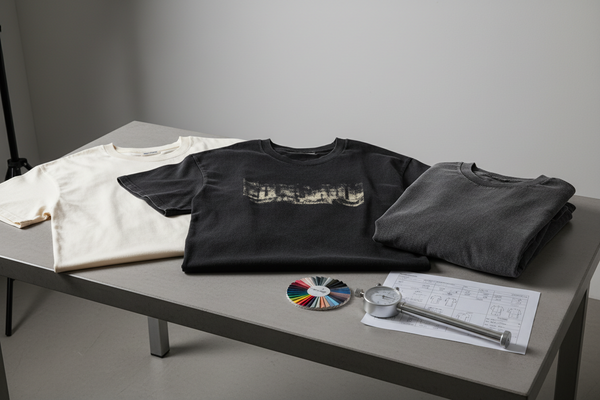
A health-tech firm noticed subtle color variations between their dark navy softshell jackets and their navy cotton caps, which came from different mills. We implemented Spectrophotometric Delta-E Variance Tracking across all vendor approvals, setting a strict Delta-E limit under 1.2. The precise color measurement protocol eliminated noticeable shade shifts, ensuring that every fabric component matched the master brand swatch perfectly.
In most cases, setting a strict Delta-E tolerance under 1.2 across different fabric mills prevents subtle color shifts between kit items. Enforcing this quantitative standard gives your procurement team objective authority during pre-production sample reviews.
How do you maintain embroidery crispness across different apparel textures? Applying flexible stabilizer backings behind low-profile chest logos absorbs needle tension smoothly, preventing fabric puckering on both smooth polyester jackets and knitted cotton crewnecks.
A common outcome when this gets skipped is that high-density embroidery pulls on lightweight knits, creating unsightly gathers around the design. Calibrating needle gauge and thread density during digitizing guarantees that chest logos lay completely flat across all apparel styles.
Testing hardware items—such as stainless steel water bottles and notebooks—for surface coating durability is equally valuable. Selecting powder-coated finishes for drinkware prevents scratching during transit, keeping accessories looking pristine.
Conducting pre-assembly audits at the kitting facility catches minor cosmetic issues before items are packed. Inspecting box print alignment, garment fold neatness, and accessory placement ensures that every distributed kit meets corporate presentation standards.
5. Strategic Decision Framework: Budget Allocation and Kit Tiering
Structuring a scalable welcome pack program requires aligning kit contents with corporate hiring tiers and total annual onboarding budgets. Creating clear budget tiers allows people operations teams to deliver appropriate welcome packages for executive hires, full-time staff, and seasonal intern cohorts while maintaining predictable costs.
A corporate enterprise restructured its onboarding program into three distinct tiers. They allocated $220 for executive leadership kits, $130 for core full-time employee packs, and $75 for seasonal intern cohorts. By standardizing items across shared packaging formats, they achieved volume pricing discounts on custom boxes while tailoring internal contents to fit each role.
Buyers often assume that adding more branded items to a kit creates a better onboarding experience. In practice, selecting 3 to 4 high-use, well-engineered items yields higher daily engagement than a box filled with small promotional novelties.
My advice to most buyers is to allocate roughly 45% of the total kit budget to a core outerwear garment, 25% to functional tech accessories, 15% to structural packaging, and 15% to assembly logistics. This balanced allocation prioritizes high-impact items that employees use daily.
Onboarding Kit Tiering Matrix
Executive LeadershipSoftshell Jacket or Heavy CrewneckThermal Tumbler, Leather Journal, CapCustom E-Flute Box with Soft-Touch Finish$180 - $250 per kitCore Full-Time StaffMidweight Fleece Crewneck or PoloStainless Tumbler, Notebook, PenCustom Printed Corrugated Mailer Box$110 - $150 per kitSeasonal / Intern CohortCombed Cotton Crewneck TeeCanvas Tote, Matte Mug, Sticker PackPrinted Tuck-Top Corrugated Box$60 - $85 per kitEvent / Conference BoxLightweight Performance PoloHydration Bottle, Lanyard, PenFlat-Pack Printed Mailer Envelope$40 - $60 per kit| Kit Tier | Primary Apparel Item | Secondary Accessories | Packaging Format | Target Unit Budget |
|---|---|---|---|---|
Evaluating unit economics across different production volumes helps procurement managers optimize order timing. Batching core component orders on a semi-annual basis unlocks substantial volume discounts, reducing unit costs across all hiring tiers.
Accounting for domestic final-mile shipping costs early in the budgeting process prevents surprise expenses. Designing compact structural boxes that fit within standard carrier dimensional weight brackets minimizes parcel shipping fees for distributed address delivery.
6. Future Outlook: Scaling Distributed Workforce Culture Through Kitting
As distributed and hybrid work models continue to evolve, executive welcome packs will play an increasingly strategic role in corporate talent retention and employer branding. Integrating HR portal automation with centralized kitting facilities allows organizations to trigger automated welcome pack dispatches the moment a candidate signs their offer letter.
A software firm integrated their applicant tracking system directly with their fulfillment partner's portal. When a new engineer accepted an offer, the system automatically generated a kit order, selected the correct apparel sizes from reserved buffer stock, and scheduled domestic delivery three days prior to their start date. The automated workflow eliminated administrative overhead for HR staff while providing new hires with an impressive onboarding arrival.
If I had to choose, I'd always prioritize locking in timeless core garment colorways over seasonal trend shades to guarantee multi-year reorder continuity. Sticking to classic corporate tones like navy, heather grey, and black simplifies long-term inventory management and prevents Multi-Mill Dye Lot Discrepancy across reorder cycles.
Avoiding Roster Overstock Asset Depreciation requires monitoring size consumption trends every quarter. Adjusting supplier reorder ratios based on real hiring data ensures that your warehouse buffer stock remains lean, balanced, and active.
Executive Welcome Pack Implementation Checklist
- Establish clear kit tiers ($180 executive, $130 core, $75 intern) aligned with annual hiring forecasts.
- Select durable E-flute structural corrugated mailers engineered to withstand parcel transit.
- Enforce Delta-E color tracking across all apparel, headwear, and accessory suppliers.
- Maintain a 12% to 15% apparel buffer stock at your kitting center to absorb sizing shifts.
- Apply low-profile embroidery stabilization on workwear to ensure chest logos lay completely flat.
- Integrate automated address verification software with your fulfillment hub to ensure on-time delivery.
Investing time in thoughtful packaging engineering, strict color standardization, and synchronized kitting workflows transforms remote onboarding from a simple administrative routine into a powerful culture-building initiative. With clear planning and trusted manufacturing partners, executive welcome packs deliver lasting engagement, employee pride, and brand unity across distributed workforces.