Eco-Friendly Printing Methods for Apparel: Sustainable Sourcing Guide
1. Buyer Profile: Sourcing for Sustainable Apparel Programs
Sourcing apparel for eco-conscious brand initiatives requires a thoughtful approach to material selection and decoration. Whether outfitting an outdoor lifestyle brand, building an ethical corporate apparel program, or launching an eco-friendly retail line, procurement teams look for choices that reflect environmental values without sacrificing visual appeal or long-term wearability. The modern buyer wants clear proof that sustainable choices hold up in daily life, maintaining clean graphic lines and comfortable texture through regular laundry cycles.
One team we worked with was tasked with developing an organic merchandise collection for a regional environmental non-profit. They needed 1,200 pieces across lightweight tanks, classic tees, and fleece outerwear. Their main priority was eliminating synthetic PVC plastics and harsh chemical residues while ensuring every design element remained vibrant. By selecting high-solids water-based inks paired with 100% combed organic cotton, they delivered a collection that felt completely soft to the touch while hitting every environmental milestone.
I'd recommend starting every eco-friendly printing program with a thorough substrate compatibility audit. Matching ink chemistry with fiber structure early prevents delays during pre-production sampling and establishes a clear quality benchmark for volume manufacturing.
What actually determines the success of an eco-friendly apparel line is aligning ink chemistry with the underlying fiber blend. When ink pigments bind naturally with garment fibers, the decoration breathes with the fabric, creating an inviting texture that customers love to wear day after day.
Is water-based printing durable enough for activewear? In practice, modern cross-linking binders allow water-based inks to flex naturally with knitted fabrics, achieving a robust mechanical bond that withstands daily movement and regular washing.
During sampling for a sustainable activewear brand, the design team wanted wide chest graphics on lightweight bamboo-blend tops. Initial testing showed that heavy topical prints altered the drape of the garment. By switching to a soft-hand water-based formulation, the graphic flexed effortlessly with the fabric, preserving the natural drape while keeping the print smooth and lightweight.
2. Need Analysis: Aligning Environmental Impact with Print Performance
Understanding why brands transition to sustainable decoration requires examining both environmental benefits and practical performance metrics. Traditional textile inks historically relied on petroleum-based PVC resins and phthalate plasticizers that sat on top of fabric fibers like a layer of plastic film. Sustainable decoration alternatives replace these synthetic compounds with plant-based carriers, water-soluble binders, and bio-derived pigments that integrate directly into the textile structure.
In most cases, the shift toward sustainable decoration reduces chemical disposal overhead while improving fabric hand-feel. Replacing solvent-heavy cleanups with closed-loop water filtration systems creates a cleaner shop floor environment while reducing environmental impact across the supply chain.
Buyers often assume eco-friendly printing means sacrificing color vibrancy. In practice, modern water-based pigments achieve 95% color match accuracy when cured properly, delivering rich, saturated tones across natural and blended fabrics.
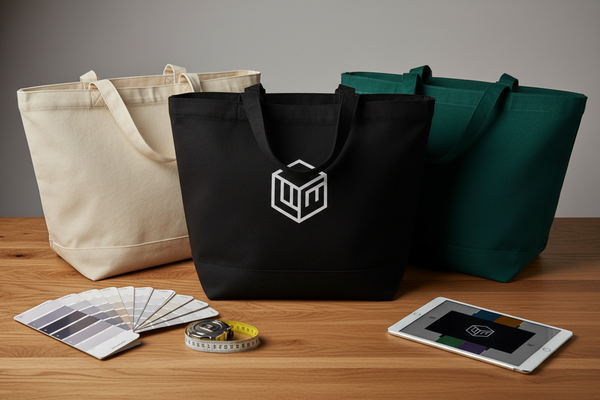
During sampling for a similar program, an eco-conscious activewear brand wanted to eliminate petroleum-derived carbon black from their dark graphic line. The facility introduced an algae-based black pigment derived from byproduct algae biomass. The algae ink produced a deep, rich black tone on organic cotton canvas totes and hemp-blend tees while capturing carbon during its growth cycle.
A common outcome when this gets skipped is choosing an ink system that conflicts with the fabric's natural absorption characteristics. Understanding how different inks interact with natural cellulose versus synthetic polymers allows sourcing leads to make informed decisions that optimize both sustainability and production speed.
The part that pays off most when evaluating sustainable decoration options is verifying that the facility operates closed-loop water treatment equipment. Facilities that filter and reuse process water significantly reduce total water consumption during screen cleaning and ink preparation cycles.
3. Material Fit: Fiber Substrates and Eco-Ink Compatibility
The relationship between fabric substrate and eco-friendly ink chemistry is fundamental to achieving high-quality results. Natural fibers like organic cotton, hemp, bamboo, and linen feature porous cellulose structures that absorb water-based liquids readily, allowing pigments to lock deep into the yarn. Synthetic fibers like recycled polyester require specialized ink formulas or sublimation techniques to establish a durable bond without altering fabric breathability.
In our experience, water-based discharge printing offers the most comfortable hand-feel for natural cotton garments. Discharge agents react with reactive dyes in unbleached or organic cotton, replacing the original fiber color with fresh pigment while preserving the soft, natural texture of the underlying fabric.
Can you use discharge ink on recycled polyester blends? Only if there is a high natural fiber content on the face, as discharge chemistry relies on cellulose fibers to activate the color release process.
Factories see this pattern regularly: a brand submits an intricate artwork file designed for 100% organic cotton, but selects a 50/50 recycled polyester blend. The original file suffered from Organic Substrate Ink Non-Compatibility because the synthetic fibers did not absorb the water-based binder uniformly. After switching to a 100% organic combed cotton face with a dense knit construction, the print achieved sharp line clarity and even color distribution across a 1,500-unit run.
Substrate selection also impacts Dimensional Fabric Texture Adhesion. Coarser slub fabrics or loose-knit textures feature micro-variations across the surface that require careful squeegee pressure adjustment during water-based printing. Selecting smooth, combed ring-spun fabrics provides an even canvas that allows lightweight inks to form a clean, uniform bond across the entire design area.
When decorating synthetic activewear made from recycled polyester, managing heat exposure during transfer or curing is essential. Utilizing Polyester Sublimation Cross-Linking Chemistry ensures that disperse dyes fuse cleanly with polyester polymer chains under controlled temperature, creating vibrant, permanent graphics without requiring additional chemical binders.
4. Decoration Deep-Dive: Water-Based, Algae, Sublimation, and Eco-DTF
Selecting the right sustainable decoration technique involves evaluating production volume, artwork detail, fabric composition, and target hand-feel. Each eco-friendly printing method offers distinct mechanical advantages tailored to specific apparel applications, from high-volume screen printing on organic cotton polos to waterless digital sublimation on athletic wear.
Buyers often assume water-based printing requires twice as many flashing steps on the press. In practice, modern forced-air dryers cure water-based inks at standard line speeds, allowing automated screen presses to maintain high production output.
During sampling for a retail apparel program, a brand wanted multi-color chest graphics on performance polos. The initial test using heavy transfer film created a Stitch Density Panel Weight Disproportion, causing the chest fabric to sag slightly. We shifted the specification to an ultra-thin eco-certified Direct-to-Film (DTF) transfer with a water-based polyurethane adhesive. The revised transfer achieved a light, flexible feel with an impressive 4.5 N/cm peel strength, passing all physical flex evaluations.
My advice to most buyers is to run physical sample evaluations whenever testing new digital transfer films on dynamic stretch fabrics. Verifying that the adhesive binder flexes smoothly prevents DTF Shear Peel-Off Degradation along high-tension seam lines during active wear.
Water-Based Screen Printing Advantages
- Delivers an exceptionally soft, breathable hand-feel on natural fibers.
- Eliminates PVC plastics, phthalates, and harsh chemical solvents.
- Offers low per-unit production costs on runs over 200 pieces.
Water-Based Screen Printing Considerations
- Requires precise forced-air temperature control during curing.
- Works best on natural cellulose fibers like organic cotton and hemp.
- Needs exact ink viscosity management on automated press lines.
Managing vector artwork parameters is another key factor in sustainable printing success. Adjusting line weights and anchor points through Vector Node Tensile Modulation ensures that delicate artwork elements print cleanly with low-viscosity water-based inks, avoiding bleed while keeping graphic edges crisp and clear.
The difference between a crisp eco-print and a muted print comes down to surface fiber smoothness rather than ink volume. Tightly spun yarns allow lightweight inks to settle evenly across the surface, producing rich visual contrast with minimal ink consumption.
Decoration Method Selection Matrix
Water-Based Screen Print100% Organic Cotton / Hemp100 - 500 unitsSoft & BreathableLow per-unit cost on volume runsDischarge PrintingDark 100% Cotton150 - 500 unitsZero Added WeightVibrant colors on dark fabricsAlgae Black InkOrganic Cotton / Blends200 - 1,000 unitsSmooth & LightweightCarbon-negative black pigmentWaterless Sublimation100% Recycled Polyester50 - 250 unitsIntegrated / SeamlessZero water consumption during printEco-Certified DTFCotton / Poly / Blends48 - 200 unitsFlexible & LightweightNo screen setup fees for detailed art| Decoration Method | Best Fabric Match | MOQ Range | Hand-Feel Rating | Key Advantage |
|---|---|---|---|---|
Understanding these production mechanics helps sourcing leads negotiate realistic timelines and sampling parameters with factory partners. When buyers account for proper curing times and fabric pre-treatment steps, sustainable decoration programs move efficiently from concept through final production.
5. Cost Analysis: Setup Efficiency, Ink Yield, and Long-Term ROI
Evaluating the economics of sustainable printing requires looking beyond raw ink costs to examine press setup efficiency, cleanup overhead, and total garment value. While eco-friendly ink formulations may carry a slight raw material premium over basic plastisol, operational efficiencies in cleanup and reduced chemical disposal often offset the difference on volume orders.
Are water-based inks significantly more expensive per unit than traditional inks? On high-volume runs, the per-unit ink cost difference drops to pennies, making the total landed cost highly competitive.
One team we worked with analyzed the total cost structure for a 2,500-unit organic cotton workout shirt order. The factory quoted a minor $0.12 per-unit premium for water-based screen printing compared to standard plastisol. By selecting water-based ink, the brand enhanced its sustainable positioning, achieved higher retail margins, and cleared the entire inventory run within three weeks of launch.
What actually drives the cost of sustainable decoration is machine setup efficiency rather than raw ink pigment expenses. Standardizing design dimensions and utilizing Pantone color matching systems allows press technicians to prepare screens quickly, minimizing press downtime between color changes.
Eco-Printing Procurement Checklist
- Confirm garment fiber content aligns with chosen eco-ink chemistry (natural vs synthetic).
- Verify factory uses closed-loop water treatment systems for screen washing.
- Request pre-production samples to evaluate hand-feel and visual color accuracy.
- Specify water-based or discharge ink chemistry in technical procurement documents.
- Ensure vector artwork files feature clean node structures for sharp ink release.
- Review wash test results to confirm ink adhesion and flex stability across dynamic zones.
Ink yield and coverage area also influence production economics. Lightweight water-based inks offer high coverage per kilogram, flowing smoothly through high-mesh count screens. This efficiency reduces overall ink consumption while maintaining vibrant color density across large print areas.
Factoring in long-term brand equity reinforces the financial logic of sustainable decoration. Consumers increasingly favor apparel brands that demonstrate genuine environmental responsibility, making eco-friendly printing a powerful driver of customer loyalty and repeat business.
6. Strategic Recommendation: Scaling Sustainable Apparel Sourcing
Building a successful, scalable sustainable apparel program requires combining thoughtful material choices, clear technical specifications, and strong supplier partnerships. As sustainable ink technologies continue to evolve, apparel buyers have unprecedented opportunities to deliver beautiful, retail-ready products while reducing environmental footprint.
The most reliable approach to scaling eco-friendly decoration is locking in physical pre-production samples before committing to bulk runs. Evaluating physical samples under real-world lighting and wear conditions provides total clarity on color performance, texture, and seam flexibility.
If I had to choose, I'd always prioritize a soft water-based or discharge print on high-quality organic cotton over complex synthetic transfer films for daily lifestyle wear. The exceptional comfort and breathability of a natural water-based print creates an immediate impression of quality that keeps customers coming back.
Collaborating closely with experienced production partners ensures your sustainability goals align smoothly with manufacturing capabilities. When sourcing leads communicate clear performance expectations and respect factory operational workflows, sustainable apparel programs scale predictably, on schedule, and within budget.
As you plan your next custom apparel collection, consider integrating eco-friendly printing methods early in the design phase. By matching sustainable ink systems with high-quality organic or recycled substrates, your brand delivers outstanding visual appeal, ultimate wearer comfort, and authentic environmental leadership.