Bag Packaging Options for Corporate Onboarding Kits
1. The Art of Assembling Onboarding Bags That Scale
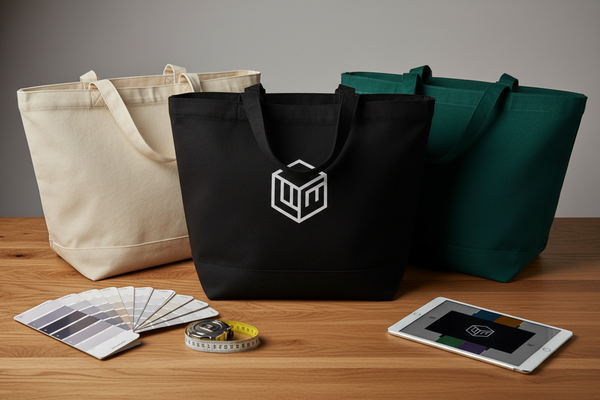
Designing an memorable onboarding kit starts with selecting a container that elevates every item placed inside it. While traditional cardboard boxes serve basic shipping needs, a functional, high-quality bag transforms functional corporate swag into a lasting daily companion for new team members. When you build an onboarding package centered around a reusable bag, you give new hires a practical piece of gear they can carry to the office, coffee shop, or workout sessions from day one.
Managing bag packaging options for corporate onboarding requires aligning design aesthetics with fulfillment realities. The ideal bag must offer enough internal volume to house notebooks, drinkware, tech accessories, and apparel without looking crowded or misshapen. Getting this balance right demands looking closely at material structure, zipper placement, handle length, and internal pocket organization before finalizing your order specifications.
A software firm in Austin was preparing a welcome package for 250 incoming engineering hires across several offices. By replacing standard cardboard mailer boxes with custom 12 oz cotton canvas totes featuring internal laptop sleeves, they created a sleek unboxing experience while giving staff a durable commuter bag. That transition generated positive social media shares across the cohort while keeping individual packaging costs near $14.50 per unit.
What actually determines how well an onboarding bag presents isn't just the outer fabric color—it's how the interior layout supports enclosed items. When you select a bag with dedicated organizers, drinkware loops, and flat bottom gussets, you ensure that every product sits upright and displays cleanly upon opening. Matching bag dimensions to total component volume creates an intentional presentation that makes new employees feel valued immediately.
2. Material Selection and Structural Bag Architectures
Choosing the right material foundation sets the tone for your entire onboarding program. Heavy-duty 12 oz cotton canvas offers a classic, structured feel that communicates sustainability and timeless style. On the other hand, 600D recycled polyester provides water-resistant performance and modern sleekness suited for tech teams and travel-heavy roles. Selecting the appropriate textile balance ensures your investment delivers long-term daily utility.
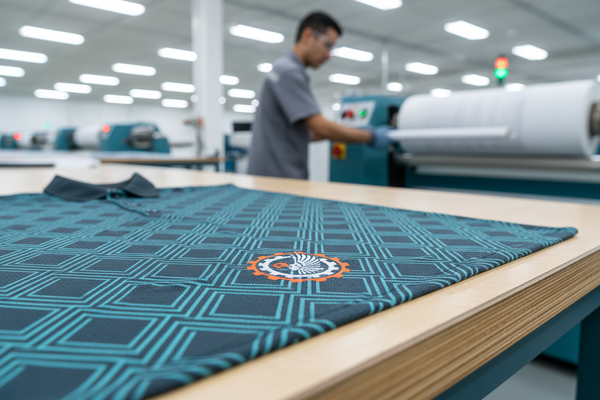
During a visit to a bag manufacturing facility in North Carolina, factory technicians demonstrated how bottom gusset construction changes bag capacity. Adding a 4-inch structured base to a standard flat tote increased usable interior volume by nearly 40% without increasing the total exterior width. Watching cutters layer heavy canvas panels highlighted how precision pattern drafting turns basic fabrics into self-standing utility bags.
Buyers often assume that larger bags automatically create a better unboxing experience. In practice, selecting a compact bag that fits its enclosed items snugly prevents internal shifting and feels far more intentional. A bag that is too large leaves items rattling around during shipping, which can clutter your presentation. Choosing a bag tailored to your exact item list guarantees that notebooks, pens, and apparel stay neatly arranged in transit.
In our experience, specifying an all-in-one zip-top canvas bag eliminates transit clutter while giving new employees a functional daily commute bag. Top zippers keep internal items secure during travel, preventing small accessories from slipping out when bags are packed into master cartons for nationwide shipping to remote hires.
Is a $45 per-kit budget enough to include a custom backpack? Yes, if you order at 500-unit MOQ tiers. Streamlining outer decoration to a clean tonal chest patch while utilizing stock fabric colorways keeps unit bag costs under $24.00, leaving ample budget for interior items like notebooks and drinkware.
Managing inventory across changing hire counts requires planning for talent cohort size run volatility. Hiring forecasts shift rapidly throughout the year, and holding unbranded bulk bags allows you to scale kit production up or down without risking excess obsolete stock. Maintaining a central pool of versatile bags protects your budget from roster overstock asset depreciation over long hiring cycles.
3. Branding Techniques and Component Synchronization
Decorating custom onboarding bags requires matching your branding technique to fabric textures and usage requirements. Subtle tonal screen printing creates a modern, retail-ready look on heavy canvas, while woven patches or crisp embroidery add dimension to structured polyester backpacks. Choosing decoration styles that align with your corporate visual identity builds brand pride among new team members.
Coordination across multiple suppliers relies on implementing an item component synchronization framework during procurement planning. When sourcing bags, hoodies, journals, and water bottles from different production facilities, synchronizing delivery dates at your primary fulfillment center prevents assembly delays. Aligning production schedules ensures that all components arrive simultaneously, keeping your kitting line running smoothly.
During a multi-item kit rollout for a health-tech firm ordering 1,200 kits, coordinating print approvals across three vendors saved nearly two weeks of production time. By establishing a single digital art proofing standard across all items, the team avoided art revisions on the custom tote bags and apparel. That synchronized workflow allowed the domestic fulfillment center to complete kitting ahead of the quarterly onboarding wave.
Buyers often assume custom bag dyeing requires huge minimum order runs. In practice, utilizing standardized stock canvas shades while customizing trim accents gives you tailored brand matching at lower initial unit counts. Adding custom-dyed zipper pulls, webbed handles, or interior lining prints delivers bespoke personality without exceeding minimum order requirements.
To help guide your bag selection based on kit contents and budget allocations, consider this decision matrix for corporate onboarding programs:
| Bag Architecture | Material Specification | Target Kit Contents | Unit Cost Range | Ideal Cohort Volume |
|---|---|---|---|---|
| Standard Canvas Tote | 10 oz Open Cotton Canvas | Notebook, pen, sticker set, tee shirt | $6.00 - $10.00 | 100 - 300 units |
| Structured Zip Utility Bag | 12 oz Heavy Canvas / Poly Trim | Laptop sleeve, bottle, hoodie, journal | $14.00 - $20.00 | 300 - 1,000 units |
| Executive Commuter Pack | 600D Recycled PET Polyester | 15" Laptop, tech pouch, jacket, tumbler | $28.00 - $42.00 | 250 - 500 units |
| Cinched Event Pack | 210D Water-Resistant Nylon | Light welcome packet, hat, lanyard | $4.00 - $7.00 | 1,000+ units |
My advice to most buyers is to align component decoration methods early so that screen prints on bags match embroidery tones across apparel items. Standardizing imprint colors across different substrate materials creates a unified visual aesthetic across your entire welcome package.
Can screen printing hold clean detail on coarse canvas totes? Absolutely, provided the ink layer uses high-opacity plastisol or soft-density silicone. Setting proper squeegee pressure during screen printing fills fabric gaps evenly, producing crisp logo edges on textured heavy cotton canvas.
4. Quality Protocols and Color Matching Standards
Ensuring consistent visual quality across every item in your onboarding kit demands rigorous material testing and inspection protocols. When logo colors or fabric shades vary between bags and enclosed apparel, the overall presentation can feel disconnected. Implementing digital color tracking standards ensures that your brand colors remain true across different suppliers and material types.
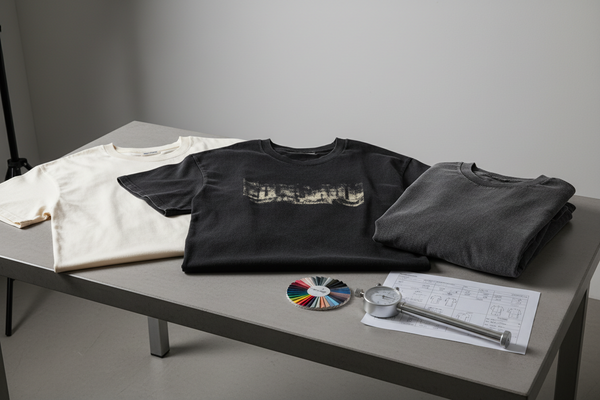
Controlling color consistency across separate production runs requires monitoring spectrophotometric delta-E variance tracking during fabric dyeing. Maintaining a strict Delta-E tolerance under 1.5 ensures that the navy canvas used for your tote matches the navy cotton used for your corporate hoodies. Eliminating multi-mill dye lot discrepancy keeps all kit components visually aligned, regardless of where they were manufactured.
One procurement manager we worked with implemented strict pre-assembly inspections on a run of 800 custom commuter bags. By verifying zipper pull strength and handle bar-tack integrity on sample batches, they confirmed that the bag hardware exceeded standard weight-bearing expectations. That proactive check gave their team full confidence before shipping loaded kits to remote employees across the country.
The part that pays off most during quality checks is testing handle stress joins before bulk assembly begins. Running weight-load tests on reinforced cross-stitched handles ensures that totes can comfortably carry heavy laptops, water bottles, and textbooks without seam strain. Verifying stitch density upfront guarantees long-term durability for daily commutes.
If I had to choose, I'd always recommend selecting bags with finished interior binding tape over raw overlocked seams. Clean internal seam tape prevents thread fraying when employees drop keys or chargers into their bags, preserving a neat interior appearance across years of daily use.
5. The Onboarding Bag Sourcing Checklist
Executing a seamless onboarding bag program requires clear communication across design, procurement, and fulfillment teams. Utilizing a comprehensive sourcing checklist keeps your project on schedule, ensuring that every detail—from gusset measurements to shipping carton quantities—is thoroughly verified before bulk production starts.
A logistics coordinator managing a 2,000-unit onboarding rollout used a standardized checklist to coordinate bag production across two regional hubs. By locking in specs for handle length, zipper pull style, and master carton packing counts early, they eliminated fulfillment confusion and achieved a 100% on-time delivery rate for incoming new hires. That structured approach kept their team organized throughout a complex multi-city distribution campaign.
Refer to this operational checklist when evaluating bag packaging options and finalizing production specifications with your suppliers:
- Material Grade Verification: Confirm fabric density (e.g., 12 oz cotton canvas or 600D polyester) and check backing coatings.
- Internal Organization Specs: Verify sleeve dimensions for laptops, drinkware loops, and internal zipper pocket placements.
- Handle & Strap Reinforcement: Ensure handles feature cross-stitched box patterns or bar-tack reinforcement at key stress joins.
- Color Matching Standards: Apply spectrophotometric delta-E variance tracking to align bag fabric shades with corporate apparel.
- Hardware Quality Audit: Test zipper sliders, snap closures, and shoulder strap adjustment buckles for smooth operation.
- Component Synchronization Schedule: Establish clear transit milestones to prevent final-mile domestic kitting bottlenecks.
- Buffer Stock Planning: Order a 10% to 15% surplus of unbranded or branded bags to absorb unexpected hiring surges.
- Master Packing Optimization: Specify polybag packaging and master carton box limits to prevent crushing during transit.
Should you kit components domestically or at overseas assembly sites? Assembling bags near your main fulfillment hub cuts transit turnaround significantly. Shipping individual bulk items directly to a domestic kitting center allows flexible packing and rapid distribution as hiring needs change day to day.
One thing that consistently pays off is specifying flat bottom gussets on all tote bag styles. A flat base allows bags to stand upright on desks during unboxing events, creating a photogenic presentation that showcases interior gifts cleanly from the moment the package is opened.
6. Streamlining Final-Mile Distribution for Talent Kits
Launching a successful onboarding bag program culminates in efficient final-mile delivery to your new team members. Whether shipping directly to remote home addresses or distributing kits at central office orientation events, a well-planned distribution strategy ensures every package arrives safely, on time, and impeccably presented.
Preventing assembly delays at regional fulfillment facilities relies on overcoming the final-mile domestic kitting bottleneck. When interior kit components like notebooks or apparel arrive late at the warehouse, bag assembly halts. Establishing synchronized supplier delivery windows ensures that all products reach the domestic packaging team simultaneously, enabling rapid kit assembly and fast outbound dispatch.
A national financial services company recently updated its welcome kit distribution model across 15 regional offices. By consolidating bag sourcing and domestic kitting under a single fulfillment partner, they reduced kit assembly turnarounds to under 48 hours from HR hire notification. That streamlined logistics model ensured that every new employee received their custom bag kit on their very first morning.
Building a successful corporate onboarding program comes down to thoughtful material choices, precise decoration alignment, and reliable fulfillment management. By selecting functional bag packaging options that match your cohort sizes and budget goals, you create a memorable welcoming experience that fosters strong brand connection from day one. Ground your choices in sound sourcing principles, maintain clear quality standards, and deliver an onboarding kit that your new hires will carry with pride.