Remote Worker Care Packs: Selecting French Terry Loungewear for Onboarding
1. People Operations Leads Structuring Remote Welcome Journeys
Modern People Operations and Talent Acquisition teams face a unique challenge when welcoming remote employees. Without a physical office building to walk into on their first day, the onboarding care pack serves as the primary physical bridge between the company culture and the new hire's home workspace. HR leaders want to deliver an unboxing experience that generates genuine excitement, fosters team belonging, and provides everyday utility. What actually determines whether an onboarding care pack succeeds isn't flashy packaging — it's whether the included apparel offers the kind of soft, daily comfort that makes employees reach for it week after week.
One team we worked with managed hiring for a fast-growing cloud software firm with 250 remote engineers spread across North America. Their previous welcome package included standard rigid cotton t-shirts and heavy polyester hoodies. While the items carried neat company logos, the engineers rarely wore them during the workday because the hoodies felt too warm indoors and the t-shirts lacked structure for team video calls. By transitioning their apparel spec to a custom 300 GSM loopback French terry crewneck, the company saw employee wear rates soar, with team members wearing their crewnecks regularly during weekly video syncs.
To design an onboarding care pack that aligns with modern remote work patterns, sourcing leads should structure their program around four core procurement targets:
- All-Day Indoor Comfort: Utilizing breathable, natural fibers that maintain comfortable body temperatures in heated or air-conditioned home offices.
- Video-Ready Tailoring: Specifying structured collars, neat shoulder seams, and smooth outer face fabrics that look crisp and professional on camera.
- Subtle Brand Integration: Applying low-profile, high-grade decoration that turns corporate apparel into stylish personal loungewear.
- Flexible Sizing Distribution: Managing sizing allocations effectively to handle ongoing team growth without accumulating stagnant inventory.
My advice to most buyers is to view the remote care pack as a long-term engagement tool rather than a one-time promotional gift. Investing in versatile, comfortable textiles like French terry transforms standard corporate swag into a cherished daily staple, reinforcing company pride every time an employee logs on for work.
2. Balancing Home Office Relaxation with Video-Ready Style
Remote work has redefined corporate dress codes. While full formal suits are rarely needed for day-to-day tasks, looking put-together on camera remains important for team culture and client meetings. Employees want clothing that feels as comfortable as casual loungewear while maintaining a neat, tailored shape from the chest up.
Does loungewear really need structural tailoring for a video call? Absolutely. Loose, unstructured fleece can look overly casual on camera, while a well-fitted French terry top with a structured collar line presents a clean, professional outline.
Buyers often assume that comfortable loungewear requires thick, oversized fleece construction. In practice, a structured collar line and neat shoulder seam create a crisp corporate presence on camera while maintaining loopback softness. The key is selecting fabrics that hold their shape across the upper torso without feeling stiff or restrictive when sitting at a desk.
What actually determines whether a remote care pack gets worn daily is how well the neck tape and shoulder seams maintain a structured, professional frame on camera. Placing internal herringbone neck tape along the back collar reinforces the neck opening, ensuring the collar stays flat and smooth even after repeated wash cycles.
Definition Box: Loopback French Terry
Loopback French Terry is a premium knitted fabric featuring a smooth, flat outer surface and soft, unbrushed yarn loops on the interior face. The open loop construction absorbs moisture and promotes natural airflow, making it ideal for comfortable indoor home office wear.
During sampling for a financial services firm onboarding 180 remote analysts, we evaluated two crewneck patterns. The first featured a wide, relaxed raglan sleeve, while the second used a classic set-in sleeve with 2x1 spandex-reinforced ribbing at the collar and cuffs. The analysts overwhelmingly preferred the set-in sleeve design because the defined shoulder line looked sharp on video calls, while the flexible interior loops provided total freedom of movement while typing.
Handling Talent Cohort Size Run Volatility is another practical requirement for HR teams. When hiring cohorts vary in size and demographics month to month, rigid sizing orders can lead to stock imbalances. Establishing a central size buffer scheme keeps onboarding schedules running smoothly.
3. The Technical Superiority of Unbrushed Loopback Cotton
Choosing the right fabric construction is the most critical decision when sourcing remote worker loungewear. While brushed fleece is popular for heavy outdoor hoodies, unbrushed loopback French terry is far better suited for indoor home office environments. The difference comes down to thermal regulation and structural stability.
Is unbrushed loopback French terry soft enough without brushed backing? Yes, because high-grade combed cotton yarns create smooth, uniform interior loops that feel soft against the skin without trapping excess heat.
In our experience, unbrushed loopback cotton is the sweet spot for year-round indoor climate control. The interior loops create micro-air channels that allow body heat to dissipate naturally, preventing the warm, stuffy feeling that often happens when wearing synthetic fleece indoors for several hours.
Factories see this pattern regularly: companies order heavy 360 GSM fleece tops for remote welcome kits, only to find employees save them for winter outdoor activities rather than wearing them at their desks. Moving to a 290 to 310 GSM combed cotton French terry provides the ideal weight for comfortable indoor wear across all four seasons.
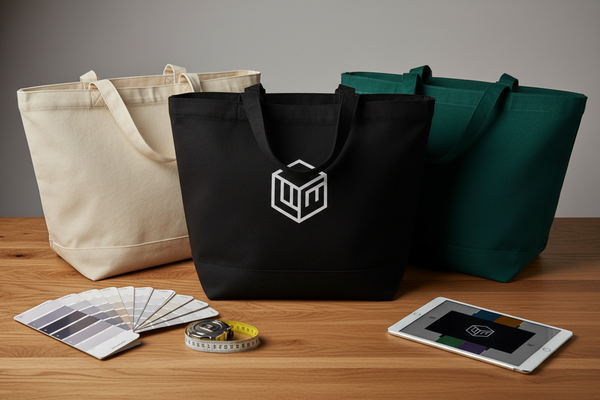
When producing custom color runs across different items, managing Multi-Mill Dye Lot Discrepancy is essential. If your care pack pairs a French terry top with a structured dad hat or canvas tote, subtle dye variations can occur if the items are finished at different facilities. Implementing Spectrophotometric Delta-E Variance Tracking ensures that all fabric components match approved color standards before final assembly.
A healthcare software brand we worked with wanted to match their signature sage green brand color across a French terry crewneck, a canvas tote bag, and a baseball cap for 400 new hires. By setting a strict Delta-E tolerance limit under 1.0 across all three supplier mills, the team achieved a flawless, color-matched kit that looked like a high-end retail gift set upon unboxing.
4. Decoration: Subtle, Low-Profile Branding for Maximum Employee Adoption
The style of decoration you choose directly impacts how often employees wear their company apparel. While large, bright screen prints work well for event staff or promotional brand ambassadors, remote loungewear calls for a more subtle, sophisticated approach.
Buyers often assume that large chest logos drive maximum brand visibility. In practice, discreet tonal embroidery on the wrist or left hem generates far higher long-term wear rates among remote teams. When apparel feels like a stylish retail garment rather than a walking billboard, employees feel confident wearing it both during work hours and on the weekend.
The difference between a corporate uniform and a garment employees reach for every weekend comes down to subtle, low-profile decoration placement. Consider these refined decoration options for French terry loungewear:
- Tonal Wrist Embroidery: Stitching a small, 1-inch company emblem on the left sleeve cuff in thread that matches the fabric shade creates an elegant, high-end feel.
- Woven Hem Labels: Attaching a clean, folded woven label along the bottom hemline adds a subtle branded touch without cluttering the main fabric face.
- Soft-Touch Micro-Puff Prints: Utilizing tone-on-tone matte puff inks on the upper back neck area provides a modern, tactile design element.
- Debossed Leather Patches: Placing a small, genuine or faux leather patch near the front pocket or chest area adds warm, organic texture.
During a production run for a global consulting team decorating 600 French terry zip jackets, we tested traditional high-shine polyester embroidery thread against a matte cotton-finish thread. The team selected the matte thread in a subtle charcoal shade that matched the fabric. The subtle contrast gave the jackets a polished, executive appearance that looked exceptional both on camera and in person.
Subtle branding elevates the perceived value of your onboarding gift, showing new hires that you respect their personal style while welcoming them to the team.
5. Per-Kit Budgeting, Buffer Stocks, and Kitting Lead Times
Structuring a cost-effective remote onboarding program requires evaluating both individual component costs and final packaging logistics. A well-planned budget covers fabric production, custom decoration, individual kitting assembly, and domestic drop-shipping to individual home addresses.
The part that pays off most is locking in a synchronized component framework early to prevent assembly bottlenecks at your fulfillment center. When apparel, drinkware, and accessories arrive at the kitting facility on the same day, you avoid extra storage fees and keep your onboarding schedule on track.
A mid-sized SaaS company we assisted established a $90 per-kit budget for 300 quarterly remote onboarding packages. By allocating $42 for a custom French terry crewneck, $18 for a structured dad hat, $12 for a ceramic mug, and $18 for custom presentation packaging and domestic shipping, they delivered a high-impact welcome experience while staying well within their annual HR budget.
To avoid Roster Overstock Asset Depreciation—where unused, pre-decorated clothing sits in a warehouse and loses value as branding or sizing needs change—build a lean buffer stock system. Ordering an 8% unbranded sizing buffer lets you decorate small batches quickly as hiring needs evolve, keeping inventory fresh and capital efficient.
| Care Pack Component | Target Specification | Estimated Unit Cost ($) | Production Lead Time | Strategic Procurement Benefit |
|---|---|---|---|---|
| French Terry Top | 300 GSM Loopback Cotton Crewneck | $38.00 – $46.00 | 18 – 22 Days | High-frequency daily wear; camera-ready structured collar. |
| Structured Dad Hat | 6-Panel Unstructured Cotton Twill | $14.00 – $18.00 | 14 – 18 Days | One-size-fits-most adjustment; eliminates sizing guesswork. |
| Matte Ceramic Mug | 14 oz Double-Wall Insulated Ceramic | $10.00 – $14.00 | 10 – 14 Days | Daily desk utility; high-perceived retail gift quality. |
| Kitting & Presentation Box | Custom E-Flute Corrugated Mailer | $8.00 – $12.00 | 10 – 12 Days | Protects items in transit; delivers a memorable unboxing moment. |
Implementing an Item Component Synchronization Framework ensures that all four care pack elements arrive at the kitting center within a 48-hour window, keeping assembly fast and budget projections accurate.
6. Step-by-Step Execution Plan for Remote Care Packs
Executing a flawless remote care pack program requires coordinating design, manufacturing, and drop-shipping logistics into a smooth, repeatable process. Following a structured rollout checklist prevents delays and ensures every new hire receives their welcome kit right on time for their first day.
If I had to choose, I'd recommend starting your care pack planning at least 45 days before a major hiring cohort launch. This buffer allows plenty of time for fabric swatching, pre-production sample approvals, and final-mile address verification without requiring expensive rush shipping fees.
Preventing a Final-Mile Domestic Kitting Bottleneck requires establishing automated address collection workflows. Connecting your HR onboarding software to your fulfillment partner's portal ensures shipping labels generate automatically as soon as a candidate accepts their offer letter.
Follow this step-by-step roadmap to launch your remote worker care pack program:
- Define Your Per-Kit Budget: Establish target price points for apparel, accessories, packaging, and individual drop-shipping.
- Select Breathable Textiles: Specify 290 to 310 GSM unbrushed loopback French terry to ensure year-round indoor comfort.
- Finalize Low-Profile Artwork: Choose subtle, retail-inspired decoration techniques like tonal wrist embroidery or woven hem tags.
- Approve Pre-Production Samples: Review physical samples of all kit components to verify fabric softness, color matching, and box fit.
- Establish Sizing Buffer Stock: Hold an 8% unbranded apparel buffer at your kitting center to handle unexpected hiring spikes.
- Automate Drop-Ship Logistics: Connect your HR platform to your fulfillment center for seamless final-mile delivery to new hire homes.
By prioritizing soft, breathable loopback fabrics, camera-ready tailoring, and efficient kitting logistics, People Operations teams can deliver a memorable remote onboarding experience that makes new employees feel valued, connected, and supported from day one.