Top Custom Merch Ideas for Coffee Shops and Restaurants
Top Custom Merch Ideas for Coffee Shops and Restaurants
Merchandise serves diverse operational purposes across the food service industry. Beyond standard retail retail offerings, food establishments frequently leverage promotional items across settings like coffee shops, restaurants, and bars. Food service businesses gain tangible commercial value by purchasing restaurant gear, cafe merchandise, and custom gifts designed to sell directly in a coffee shop or dining space.
The primary operational goal of merchandise is marketing a brand across local communities. In many consumer settings, promotional items double as tangible mementos. Concertgoers routinely commemorate live shows by picking up a graphic tee at the merch table, and dining patrons enjoy marking visits to regional burger joints, historic coffee houses, and neighborhood taverns with storied pasts. Custom physical gear turns a fleeting meal or morning coffee run into a lasting personal connection.
Well-known burger chains, sandwich shops, and specialty roasters incorporate custom gear strategically into their daily business models. They sell custom restaurant gear and cafe merchandise directly at the register; they also distribute promotional items through customer loyalty programs, community giveaways, and special gifts with purchase. Establishing an intentional merch strategy converts casual diners into vocal brand advocates.
Establishments across the food service sector can easily source custom gifts to display and sell near point-of-sale registers. Operators can also procure promotional accessories for bar environments from reliable wholesale sourcing platforms. Another effective marketing approach involves purchasing custom printed tees for restaurant staff to wear during shifts, creating a cohesive visual presence that naturally drives retail inquiries.
Brands can select from an extensive range of coffee merchandise ideas and custom restaurant gear options. To launch or refine your custom branded product line, consider five core product categories and practical item choices designed to maximize visual impact and retail margins.
1. Core Corporate Merchandise Options for Food Establishments
Everyday carry items provide steady visibility because patrons incorporate them into regular routines outside your establishment. Selecting functional, durable options ensures your logo travels through public spaces, grocery stores, and workplaces daily.
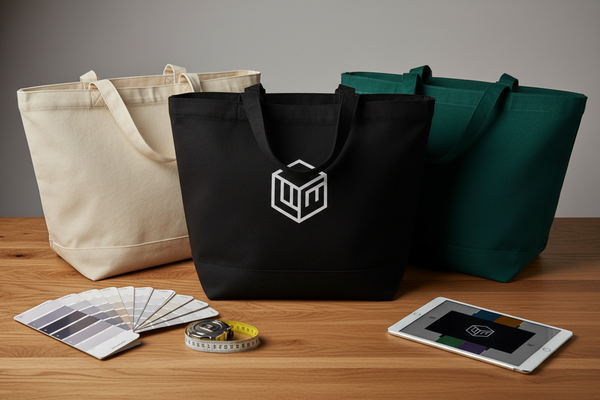
When catering to an eco-conscious audience, focus on heavy-duty canvas totes built from sturdy cotton duck fabrics. Durable canvas bags handle heavy weight loads without seam failure, providing long-term value for customers who use them for grocery runs, commuting, or weekend outings.
Much like classic baseball caps, design corporate merchandise options like canvas totes with clean simplicity. Feature your primary logo or brand icon prominently on the front panel. When recipients carry the tote to transport groceries, work gear, or picnic items, passersby naturally spot your branding in everyday environments.
For operators seeking variety across tote bag lines, numerous structural styles exist. Options include heavy-duty totes with front utility pockets, military-inspired canvas bags, interior zip compartments, and contrast-stitched handles to suit various brand aesthetics.
Tourism plays a vital role in local hospitality economies. Travelers and out-of-town visitors demonstrate a strong willingness to buy restaurant merchandise, coffee merchandise, and bar souvenirs during their trips. Adding compact travel pouches and accessory dopp kits to your retail lineup provides a convenient souvenir option that packs flat in luggage.
Browsing retail travel pouches reveals that most successful designs rely on minimal, functional aesthetics. Zipper top closures, water-resistant linings, and solid neutral fabrics create an expansive canvas for custom screen printing or woven brand patches.
Travel pouches have evolved considerably over recent years. Current sourcing options include structured canvas pouches, leatherette cosmetic bags, and compact zippered cases tailored to organize daily essential items, charging cables, or travel accessories.
2. Branded Drinkware and Beverage Accessories
Whether managing a busy espresso bar, casual diner, or craft cocktail lounge, drinkware remains an essential merchandise category to sell or give away. Drinkware products offer wide flexibility across fluid capacities, material compositions, and exterior finishes.
A classic ceramic mug remains a cornerstone option for coffee shop merchandise lines. Sourcing ceramic mugs in bulk volume tiers unlocks substantial cost breaks, lowering your cost per unit and boosting retail profit margins. A well-applied glaze logo does not fade or degrade over time, making ceramic drinkware a dependable marketing investment that pays long-term brand dividends.
Commuter habits have shifted over time, expanding drinkware preferences beyond standard indoor ceramic cups. Modern dining customers expect reusable travel mugs featuring dual-wall thermal insulation, splash-proof lids, and reusable metal or silicone straws.
Whether patrons use their travel cup at home, at their office desk, or during morning commutes, a secure lid adds daily utility. Thermal insulation keeps hot beverages warm and iced drinks cold for extended periods while preventing outer condensation or accidental spills. Preventing hot liquid splashes improves user experience and builds positive brand association.
Specialty commuter cups offer an upgraded alternative to traditional mugs. Models equipped with press-fit straw lids or vacuum-sealed flip tops stand out on retail shelves, giving your shop a unique custom product line that commands higher price points than basic drinkware options.
Drinkware delivers recurring marketing exposure similar to branded hats and tote bags. Every time a customer carries a branded travel mug into an office, gym, or public transit station, your brand logo gains passive impressions among potential new patrons.
3. Custom Apparel and Wearable Merchandise
Branded apparel offers multi-layered operational benefits. To drive retail apparel sales, start by outfitting your floor team in custom workwear. Staff members showcase the fit, fabric drape, and style of your tees during daily service, turning your team into active brand models. The same strategy applies to custom coffee shop hoodies and fleece crewnecks offered on retail displays.
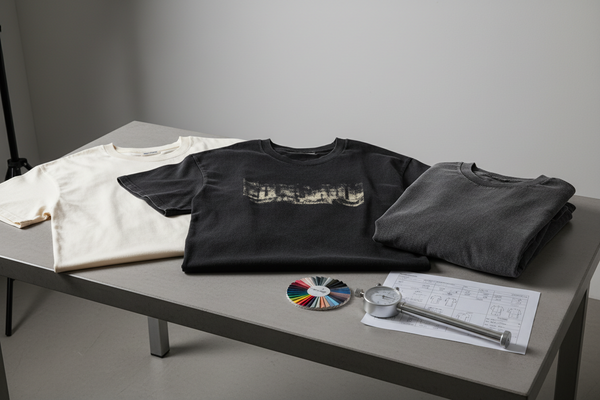
Substantial fabric weight and soft hand-feel directly influence customer purchasing decisions. High-grade combed ring-spun cotton tees feel comfortable immediately, transforming a simple souvenir shirt into a favorite wardrobe piece that gets worn regularly. Partnering with experienced custom apparel suppliers simplifies garment selection and decoration artwork setup.
When selecting tees or hoodies for staff uniforms and retail sales, prioritize modern unisex fits. Ordering realistic size distributions based on store customer demographics prevents excess stock in edge sizes. Selecting neutral color palettes like heather gray, washed black, navy, and natural cream ensures wide daily appeal.
To ensure customers feel satisfied with their apparel purchases, choose pre-shrunk fabrics built from combed cotton or durable cotton-poly blends. High-quality construction withstands repeated machine washing without excessive shrinking, color fading, or seam distortion.
Custom crew socks offer another popular wearable option. Socks represent a fun, approachable accessory that fits almost any demographic. Because footwear accessories wear out over time, consumers regularly look for fresh, comfortable pairs, making custom knitted socks an affordable impulse item near payment registers.
For cafe and restaurant merchandise lines, custom crew socks allow creative flexibility. Brands can knit bold pattern designs, incorporate brand color blocks, or place subtle logo embroidery near the cuff while matching overall store identity.
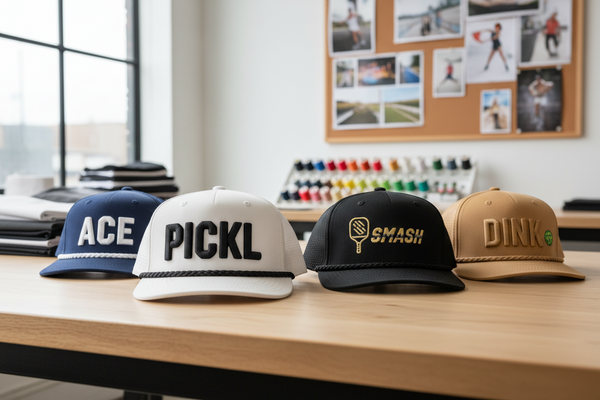
Branded headwear maintains strong popularity among merchandise buyers across all age groups. Adding structured baseball caps, unstructured dad hats, snapbacks, mesh trucker hats, and knit beanies to your custom product lineup yields steady year-round sales.
To appeal to a broad customer base, keep headwear graphics clean and understated. Neutral-toned caps featuring clean front chest embroidery or subtle woven side labels effectively promote your business. Standard adjustable strapbacks fit most head sizes, simplifying inventory management while bulk volume tiers lower unit sourcing costs.
Bucket hats and wide-brim outdoor caps offer fun seasonal variations for casual bars, patio venues, and outdoor dining spaces. Offering varied headwear styles allows establishments to cycle merchandise seasonally and keep retail displays fresh.
4. Creative Accessories and In-Shop Impulse Items
Small accessory items serve as accessible impulse buys that fit easily into existing retail displays. Colorful soft enamel pins and die-cast metal lapel pins add personality to jackets, canvas totes, and aprons while carrying minimal inventory footprint.
Custom bandanas offer another versatile way to feature brand artwork. Bandanas showcase full-bleed patterns, vintage typography, and custom borders easily. Wholesale custom sourcing platforms help select suitable cotton fabrics and printing techniques to match your target aesthetic.
Bandanas are available across various fabric weights, edge hem options, and material blends. Because unit manufacturing costs remain low, operators can use custom bandanas as promotional giveaways for bar events, loyalty tier rewards, or direct retail sales.
Custom coasters represent an easy addition for food and beverage venues. While quick-service coffee shops may not use coasters during standard espresso service, full-service restaurants, taverns, and craft cocktail bars use them continuously across tables and counters.
Begin by sourcing durable absorbent board or leatherette coasters for daily in-house table service. Then, package sets of heavy cork, stone, or ceramic coasters in custom printed boxes to sell as home bar merchandise.
Independent cafes and neighborhood venues frequently host trivia nights, board game sessions, or community gatherings. Offering custom puzzles featuring cafe artwork or coffee-themed illustrations provides engaging prize options for event winners and unique retail gift stock.
Coffee shops naturally attract avid readers, students, and creative professionals who spend time working or relaxing in dining rooms. Stocking coffee table books, recipe guides, or custom journals gives patrons attractive lifestyle items to browse, buy, and display at home.
5. Operational Marketing Merchandise and Daily Essentials
Branded aprons connect naturally with food service environments. Kitchen staff, servers, and baristas wear aprons during daily operational tasks. Outfitting staff in clean, well-fitted aprons protects personal clothing while projecting professional operational standards to dining guests.
Selecting durable cotton canvas or denim aprons with reinforced brass grommets, adjustable neck straps, and functional utility pockets improves employee comfort. When customers see front-of-house staff wearing attractive gear, they frequently inquire about purchasing matching aprons for home cooking and grilling.
Custom keychains represent a universal daily accessory. Millions of drivers and homeowners carry keys daily, creating continuous opportunities to distribute branded key tags. Even in walkable urban environments where car ownership is lower, patrons use keychains to organize house and office keys.
When selecting keychain materials, choose durable die-cast metal, solid brass, thick leather, or heavy-duty flexible PVC over flimsy plastic tags. Customers expecting to purchase retail gifts or keep promotional swag appreciate substantial build quality that survives daily pocket wear without breaking.
Numerous successful restaurant brands sell custom merchandise effectively. Operators can learn from regional dining chains that build dedicated fan bases through consistent quality and distinct branding. These chains offer custom tees, hats, and daily accessories that tell their brand story and foster deep customer loyalty.
Selling retail merchandise in dining establishments requires checking local municipal permits and tax guidelines. Selling non-food physical goods may involve distinct sales tax collection and reporting requirements compared to prepared food sales, so verifying compliance with local authorities before launching retail operations ensures smooth business execution.
Merchandising a brand successfully relies on applying your logo thoughtfully across quality blank goods, hoodies, or accessories. Avoid overly crowded graphic layouts; simple, clean brand marks highlight your business identity more effectively and integrate easily into customer wardrobes.
6. Coffee Shop Product Sourcing Decision Matrix
Selecting appropriate merchandise options requires balancing unit production costs, minimum order requirements, storage limits, and expected retail margins. Evaluating standard category parameters helps streamline inventory planning before placing bulk factory orders:
| Option | Best For | MOQ Range | Key Trade-Off | Typical Lead Time |
|---|---|---|---|---|
| Heavy Canvas Totes | Daily eco-friendly carry & mobile branding | 100 - 500 units | Higher freight weight per master carton | 2 - 3 weeks |
| Ceramic Mugs (11oz/15oz) | In-shop retail shelves & coffee lovers | 144 - 576 units | Fragile shipping requires padded master packs | 3 - 4 weeks |
| Heavyweight Cotton Tees | Staff uniforms & customer souvenirs | 50 - 250 units | Requires inventory distribution across sizes | 2 - 3 weeks |
| Stainless Commuter Cups | High-margin impulse sales near registers | 72 - 288 units | Higher initial capital investment per unit | 3 - 5 weeks |
| Embroidered Aprons | Kitchen staff wear & barista branding | 100 - 300 units | Embroidery setup fees on complex logos | 2 - 3 weeks |
Final Thoughts on Restaurant and Cafe Custom Merchandise
The most effective merchandise selections align directly with your establishment’s atmosphere and guest demographic. Essential options like high-grade t-shirts, structured hats, ceramic mugs, and keychains integrate naturally into daily routines, ensuring frequent use and maximum brand exposure.
Modern consumers actively seek promotional products built for long-term durability and environmental responsibility. Sourcing trends favor functional items like travel pouches, heavy canvas aprons, and insulated commuter drinkware that handle daily activity smoothly. Partnering with experienced product customization teams streamlines decoration design, artwork positioning, and volume sourcing, helping your establishment launch a successful custom merchandise program.