Branding Onboarding Kits-Atelier Corporate Merch
1. How Do You Build a Welcome Kit That Employees Love?
How do you transition from handing new team members a random bag of loose trade-show giveaways to presenting a beautifully curated welcome box that builds genuine pride on their first morning? What actually determines whether an onboarding kit resonates with incoming talent comes down to choosing useful, high-quality everyday items rather than piling in low-cost novelty items. In modern corporate culture, a well-designed welcome kit serves as a physical handshake, signaling that your organization values craftsmanship, attention to detail, and team belonging from day one.
Designing a memorable welcome bundle requires balancing employee excitement with practical procurement logistics. HR leaders and sourcing managers must navigate varying apparel sizes, custom box dimensions, and multi-vendor delivery schedules to ensure every piece arrives looking crisp and unified. When you approach onboarding apparel as an extension of your primary brand identity, you create a cohesive opening experience that new hires feel excited to share with colleagues and friends.
One team we worked with was preparing a quarterly welcome program for 75 incoming software engineers spread across six regional offices. In previous hiring cycles, team leaders had sourced t-shirts, water bottles, and laptop sleeves from separate vendors, leaving local office managers to pack boxes manually on Friday afternoons. By establishing a unified sourcing schedule and consolidating assembly at a central facility, the company eliminated local packing stress while delivering identical, beautiful welcome boxes to every desk on Monday morning.
In our experience, focusing on a tight 3 to 4 piece kit delivers far better results than a box crammed with novelty trinkets. Selecting a soft ring-spun cotton t-shirt, a sturdy insulated tumbler, and a refined notebook gives your new hires items they will actually use every week. What actually determines the success of a welcome kit isn't the total number of items — it's the cohesive utility and fit of the apparel.
I'd recommend starting your kit design process by selecting your core apparel piece first, as garment lead times often dictate the rest of your assembly timeline. Let's look at how reframing common swag myths helps streamline your sourcing strategy.
2. Rethinking Welcome Packs: Beyond the Traditional Swag Bag
Moving beyond standard promotional products starts by re-evaluating how new employees interact with corporate gifts. Buyers often assume that filling a box with seven or eight different branded items increases the perceived value of an onboarding gift. In practice, curating 3 to 4 cohesive items creates far stronger engagement, ensuring every single garment or accessory feels intentional and well-made.
Managing Talent Cohort Size Run Volatility represents one of the most common operational challenges when scaling employee welcome programs. Incoming hiring groups naturally vary in size preferences, making it easy to end up with excess smalls or a shortage of extra-larges if size collection is left to last-minute guessing. Establishing a standardized sizing curve backed by a modest buffer stock ensures every new hire receives a perfectly fitted shirt on their first day.
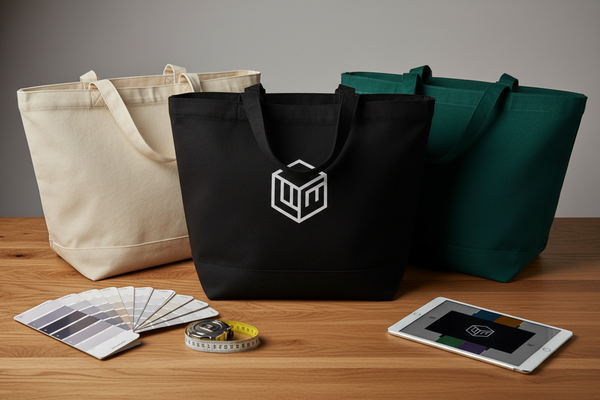
Is a 4-item kit enough for new hires? Absolutely, provided those four items offer retail-grade soft hand-feel, modern tailored cuts, and subtle branding placement. A soft midweight crewneck tee paired with a stainless steel water bottle, a hardcover journal, and a comfortable cotton canvas tote creates an inviting welcome package that feels thoughtful and complete.
During sampling for a similar program covering a financial services client launching 300 kits, the HR team initially requested five separate apparel items in a single box. After testing sample layouts, the group realized that condensing the bundle down to a premium fleece hoodie and a structured dad hat allowed them to upgrade to higher-grade organic cotton fabrics while staying comfortably within their per-box budget.
In most cases, a streamlined kit featuring a custom tee, a sleek water bottle, and a fleece jacket drives significantly higher employee wearability than fragmented swag bags. By prioritizing garment quality over sheer item quantity, you build an onboarding experience that employees wear proudly around the office and at home. Let's examine how component matching ensures visual harmony across different items.
3. Modular Bundles vs Custom Tailored Kitting Systems
When structuring an enterprise onboarding program, sourcing teams generally choose between off-the-shelf modular swag bundles and custom cut-and-sew kitting frameworks. Modular bundles leverage pre-stocked blank items decorated locally, providing fast turnarounds for unexpected hiring pushes. Custom tailored kitting systems allow full control over fabric dyes, custom box inserts, and specialized neck labels, creating an elevated unboxing experience for core corporate programs.
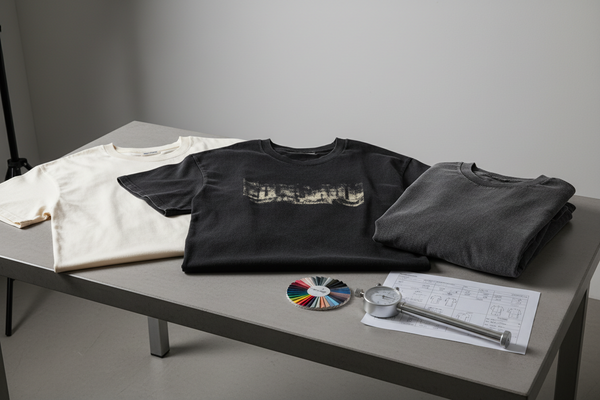
A crucial technical detail in custom kitting is managing Multi-Mill Dye Lot Discrepancy across different product suppliers. Because cotton jersey, polyester fleece, and dyed canvas absorb color pigments differently, ordering "navy" items from three separate factories can yield subtle shade variations in the final box. Utilizing Spectrophotometric Delta-E Variance Tracking across master color swatches keeps dye lots aligned within a tight visual tolerance, ensuring your apparel and accessories match beautifully.
How far in advance should we order quarterly welcome bundles? Setting a 21-day timeline between digital proof approval and final kit assembly provides comfortable margin for custom screen printing, box manufacturing, and domestic transit. This structured runway ensures all components land at the assembly hub on schedule.
A healthtech startup ordering 120 kits across three supplier partners experienced scheduling hiccups when their custom water bottles were delayed at port. Because the team had implemented an Item Component Synchronization Framework, the assembly center held final box packing until all items arrived, preventing double-shipping expenses and ensuring every new engineer received a complete, pristine welcome box on day one.
I'd recommend selecting a core neutral palette like heather charcoal or French navy to make cross-mill color coordination effortless. Neutral base colors serve as versatile backdrops for vibrant corporate logo prints, making it easy to maintain visual consistency across soft goods and hard goods alike.
The part that pays off most in kitting design is ensuring color harmony across different textile substrates before mass decoration begins. Taking time to approve physical color swatches under standardized light boxes guarantees that your tees, hoodies, and tote bags present a polished, unified look inside the box.
4. Sourcing Frameworks and Kitting Decision Matrix
Selecting the right combination of apparel, accessories, and packaging style depends on your organization's quarterly hiring volume, per-kit budget allocations, and delivery schedules. Utilizing a clear decision framework ensures your procurement choices align with practical operational realities.
The matrix below outlines key sourcing parameters across four primary onboarding kit configurations:
| Kit Configuration Style | Ideal Per-Kit Budget | Core Included Components | Assembly Location | Typical Lead Time |
|---|---|---|---|---|
| Essential Welcome Box | $45 - $60 | Ring-spun tee, journal & custom box | Regional fulfillment hub | 14 - 18 days |
| Core Employee Bundle | $65 - $85 | Combed cotton tee, water bottle, journal & tote | Central domestic assembly center | 18 - 21 days |
| Executive Welcome Suite | $110 - $145 | Fleece hoodie, insulated tumbler, leather journal & backpack | Specialized white-glove kitting hub | 21 - 28 days |
| Remote Direct-Ship Pack | $75 - $95 | Soft crewneck, ceramic mug, notebook & desk accessory | Direct-to-home distribution center | 14 - 21 days |
Should you hold safety stock for size exchanges? Yes, holding a 10% buffer in medium and large sizes prevents Roster Overstock Asset Depreciation while giving your HR team the flexibility to swap sizes instantly for new hires on launch day. Keeping a small pool of unassigned buffer garments stored at your kitting center ensures continuous hiring coverage without cluttering office closets.
A consulting firm managing 500 annual new hires reduced excess apparel inventory by establishing a quarterly buffer replenishment program. Rather than ordering a full year's worth of apparel upfront, the firm placed rolling orders every 90 days based on real hiring data, keeping their inventory fresh and aligned with actual size demand trends.
Factories see this pattern regularly: teams that establish clear size distribution curves based on historical hiring data experience far fewer sizing exchanges during orientation week. The difference between an organized onboarding rollout and a chaotic distribution comes down to pre-sorting apparel by size before warehouse dispatch.
By organizing your onboarding inventory into manageable quarterly drops, you protect your merch budget while ensuring every incoming employee receives a fresh, modern welcome package. Let me share five concrete steps for executing a flawless kitting rollout.
5. Five Action Steps for a Smooth Kitting Rollout
Executing a successful employee onboarding merchandise program requires coordinating decoration, packaging, and fulfillment schedules into a seamless workflow. Following a structured step-by-step checklist keeps your project on track from initial concept through final delivery.
Step 1: Define Cohort Sizes and Sizing Curves
Gather historical hiring metrics to establish a baseline size curve for your organization. A standard corporate distribution curve of 15% Small, 30% Medium, 35% Large, 15% XL, and 5% 2XL provides a reliable starting point for ordering un-gendered or unisex apparel styles.
Step 2: Establish Your Per-Kit Budget Target
Determine your total financial target per welcome box, factoring in item decoration fees, custom packaging printing, and kitting assembly labor. Setting clear budget guidelines upfront—such as $50 for standard roles or $140 for executive hires—helps narrow down garment options quickly.
Step 3: Implement an Item Component Synchronization Framework
Coordinate production schedules across your apparel decorator, hardgoods supplier, and box printer. Setting a shared delivery deadline at your domestic kitting center prevents Final-Mile Domestic Kitting Bottleneck delays and keeps assembly moving smoothly.
Step 4: Design Custom Box Inserts for Elegant Presentation
Utilize custom die-cut cardboard inserts to hold water bottles, journals, and apparel securely in place inside the box. Proper internal formatting prevents items from shifting during transit, ensuring an appealing visual presentation when the lid is lifted.
Step 5: Set Up Direct-to-Home Remote Fulfillment Logistics
For distributed workforces, partner with a kitting facility that offers direct-to-home shipping integration. Linking your HR platform to your fulfillment center allows welcome boxes to ship automatically as soon as a candidate accepts their offer letter.
A logistics manager overseeing 200 distributed remote worker deliveries streamlined their shipping process by storing pre-assembled boxes at a central domestic warehouse. When a new hire was confirmed, the warehouse applied a personalized welcome card and dispatched the box via ground transit, delivering the package to the employee's doorstep two days before their start date.
My advice to most buyers is to keep your core kit apparel un-gendered or offer tailored unisex cuts to simplify size exchanges on launch day. Clean, modern cuts in soft cotton blends look great on everyone while halving the number of individual SKUs your team needs to manage.
6. Streamlining Your Employee Welcome Strategy for Scale
Building an enterprise-ready onboarding kit program turns employee orientation into a powerful driver of engagement and culture. When you combine high-quality apparel materials, disciplined size forecasting, and organized assembly workflows, you create a welcome experience that makes every new hire feel valued from their very first shift.
As your company grows and hiring needs evolve, maintaining an open line of communication with your sourcing and fulfillment partners ensures your welcome kits stay fresh and aligned with brand updates. Reviewing quarterly feedback from new hires helps refine item selections, ensuring your welcome boxes continue to reflect your organization's standards of excellence.
The difference between standard corporate swag and a memorable onboarding experience lies in thoughtful curation, soft ring-spun fabrics, and flawless delivery execution. By applying the practical frameworks and sizing strategies outlined in this guide, you can establish an onboarding merchandise program that elevates your employer brand for years to come.
Building a reliable onboarding kit program transforms first-day orientation into a memorable brand experience that elevates employee connection from day one. Investing in quality apparel and organized kitting logistics sets a tone of excellence that inspires your team for the long haul.