Bulk T-Shirt Production Timelines-Atelier Sourcing
1. Clarifying Your Bulk T-Shirt Sourcing Goal
Every successful apparel program starts with a clear target: getting custom garments onto retail shelves or distribution centers exactly when planned. Whether you are building a private-label fashion line, equipping an enterprise workforce, or executing a national brand campaign, the schedule you set governs every operational decision downstream. Understanding the complete manufacturing cycle allows sourcing teams to move from reactive troubleshooting to proactive timeline management, transforming complex factory operations into a reliable, repeatable fulfillment rhythm.
During sampling for a similar program launching across 150 retail stores, a brand team established a firm 50-day window from initial tech pack handoff to warehouse arrival. By mapping out every intermediate checkpoint—from yarn spinning through final container loading—they created a visible workflow that kept both internal designers and offshore factory managers aligned. Having every stakeholder clear on exact approval dates prevented early delays from cascading into late-stage expediting costs, ensuring the entire inventory arrived clean, neatly folded, and fully tagged on launch day.
What actually determines delivery timing isn't sewing press speed — it's how smoothly pre-production approvals flow between brand and factory. In technical terms, the manufacturing timeline breaks down into two distinct phases: pre-production validation and physical bulk execution. While physical cutting, printing, and sewing take surprisingly little time on modern automatic equipment, raw material procurement and sample sign-offs account for nearly half of the total elapsed days. Mastering this early phase gives sourcing teams maximum control over final delivery dates.
Is 6 weeks a realistic timeline for custom fabric milling? In most cases, yes — provided raw yarn is available and lab dip approvals take less than 5 business days.
My advice to most buyers is to build your production calendar backward from your mandatory distribution date. Starting with your in-hand deadline and subtracting transit days, finishing windows, and cut-and-sew schedules creates an honest timeline that highlights your exact final drop-dead date for tech pack sign-off.
2. The Critical Milestone Insight Across Factory Floor Operations
A common outcome when pre-production planning gets rushed is discovering that fabric milling and decoration setup are competing for the exact same calendar window. True operational control comes from recognizing that bulk t-shirt production isn't a single linear track. Instead, it is a series of parallel tracks that converge at the cutting table. Fabric formation happens at the circular knitting mill, chemical dye recipes are verified in the laboratory, and artwork films are prepped in the print shop—all at the same time.
One team we worked with running a 25,000-unit retail t-shirt order synchronized their strike-off approvals while raw cotton yarn was actively running on circular knitting machines. By approving high-density print proofs during the 14-day fabric formation window, the print department was set up and waiting the exact morning the dyed jersey fabric reached the cutting floor. That parallel coordination shaved roughly 10 days off the overall schedule, allowing the order to ship ahead of the seasonal transition.
Understanding wet processing mechanics also protects garment quality and appearance. Achieving consistent color depth without fiber degradation relies on precise execution during Reactive Vat Dyeing Fixation. In this stage, reactive dye molecules form covalent bonds with cotton cellulose fibers under controlled alkali and temperature conditions. Giving dye vats adequate dwell time guarantees vibrant color retention across wash cycles without compromising the soft hand-feel of long-staple cotton yarns.
Buyers often assume that bulk production begins the day a purchase order is signed. In practice, the factory clock only starts ticking when the pre-production sample is physically approved and raw material commitments are locked in.
In our experience, establishing an agreed approval window of 48 hours for digital proofs and 5 days for physical strike-offs is the single best way to keep factory schedules on track. When both sides respect these response windows, production flows smoothly from one milestone to the next.
Definition Box: Parallel Sourcing Workflow vs. Sequential Workflow
Sequential Workflow: A traditional management model where each step (yarn spinning, fabric dyeing, lab dips, artwork strike-offs, trim sourcing) occurs one after another, resulting in an extended lead time of 75 to 90 days.
Parallel Sourcing Workflow: A synchronized method where artwork prep, lab dip color matching, and trim manufacturing occur concurrently with fabric knitting, compressing overall lead times down to 35 to 45 days.
3. Streamlining the Production Schedule with Precision Planning
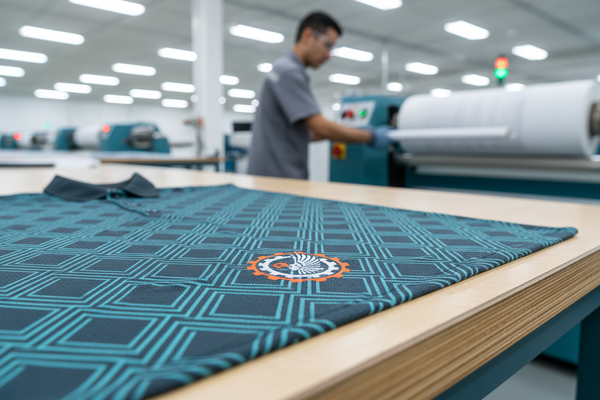
Once raw jersey cloth exits the finishing stenter frames, it enters the cutting and assembly stage. This is where physical execution moves rapidly through coordinated factory departments. Automated spreading machines layer rolls of cotton fabric onto long cutting tables, carefully monitoring tension to prevent fabric stretch. Modern apparel facilities apply a strict Dye Lot Variance Intermixing protocol during spreading, grouping fabric rolls from identical dye vats together to ensure every panel in a single t-shirt matches perfectly in shade and tone.
Factories see this pattern regularly: precise alignment at the cutting stage prevents minor assembly adjustments later. When cut panels move to screen printing tables, automated multi-color carousel presses take over. Using a calibrated Centimeter Graphic Positioning Protocol, laser alignment beams guide operators in positioning chest, back, or sleeve graphics within 0.5 centimeters of approved tech pack specs. This level of mechanical precision maintains uniform artwork placement across size runs from Small to 3XL.
Decoration chemistry choice also directly influences drying tunnel speed and cure settings. Utilizing a modern High-Solid Discharge Ink Chemistry allows water-based pigments to replace original fabric dyes directly within the cotton fibers, producing incredibly soft, breathable graphics on dark garments. Unlike traditional thick ink layers, discharge formulations cure cleanly at standard conveyor speeds, allowing automatic presses to maintain high hourly output without risk of Plastisol Film Curing Brittleness over time.
| Production Stage | Standard Lead Time | Parallel Track Activities | Key Approval Gate | Schedule Impact |
|---|---|---|---|---|
| Yarn & Fabric Milling | 14 – 21 Days | Lab dip color matching, trim development | Approved Shade Band & Hand-Feel | Foundation phase; sets base fabric quality |
| Dyeing & Wet Finishing | 7 – 10 Days | Screen film prep, strike-off creation | Reactive Vat Fixation Pass | Establishes color accuracy and fastness |
| Bulk Cutting & Prep | 3 – 5 Days | Print carousel setup, ink formulation | Cut Panel Quantity & Bundle Verification | Locks panel shading via dye lot sorting |
| Print / Embellishment | 5 – 7 Days | Neck label printing, hangtag assembly | First-Off Print Alignment Check | Defines graphic detail and color vibrancy |
| Sewing & Trim Assembly | 7 – 10 Days | Carton prep, export documentation | Inline Stitching & Torque Inspection | Constructs garment structure and neckband fit |
| Finishing & Packing | 3 – 5 Days | Final QA auditing, container booking | Final AQL 2.5 Inspection Pass | Prepares clean garments for export freight |
After embellishment, printed panels move directly to sewing lines where specialized workstations handle specific garment seams. Collarettes and neckbands receive extra attention to prevent Knit Rib Torque Distortion, ensuring the ribbing stays flat and centered through wash and wear. Inline quality inspectors verify stitch density, seam strength, and measurement tolerances at every step, ensuring clean assembly across the entire production lot.
Can you speed up printing without losing quality? Yes, by opting for fully automated oval or carousel presses running pre-mixed discharge or water-based inks, which cycle through cure tunnels in under 60 seconds.
If I had to choose one milestone to monitor personally, I'd pick the first-off production print check. Catching print alignment, color density, and ink cure on garment number one guarantees the remaining thousands run smoothly.
4. Financial Dynamics and Speed-to-Market Cost Trade-Offs
Time and cost are tied together on the factory floor. Understanding how schedule choices affect production economics allows procurement teams to make smart investment decisions. Expediting a bulk t-shirt timeline rarely requires paying raw rush surcharges across the entire job. Instead, strategic investments at critical bottlenecks—such as choosing air freight for pre-production strike-offs or reserving greige cloth capacity—yield dramatic lead time reductions while keeping unit costs low.
During sampling for a seasonal athletic line, a brand invested roughly $1,200 to pre-knit greige jersey fabric before finalizing exact seasonal print colorways. When retail buyer approvals came in, the factory dyed the staged greige cloth and executed printing in under 20 days. That small upfront commitment saved nearly three weeks of yarn spinning time, allowing the brand to capture early full-price retail sales and boost overall seasonal revenue.
Examine where financial leverage creates the biggest time savings. Fast-tracking fabric milling by paying overtime for weekend knitting machine runs typically adds 5 to 8 percent to fabric costs. In contrast, streamlining digital approval workflows costs nothing extra while saving valuable days on the calendar. Smart sourcing teams focus on operational efficiency first before spending extra capital on expedited freight or factory rush fees.
Timeline Optimization Pre-Flight Checklist
- [ ] Vectorized artwork files finalized with pantone callouts and exact dimensions.
- [ ] Garment spec sheet approved with size gradations and construction details.
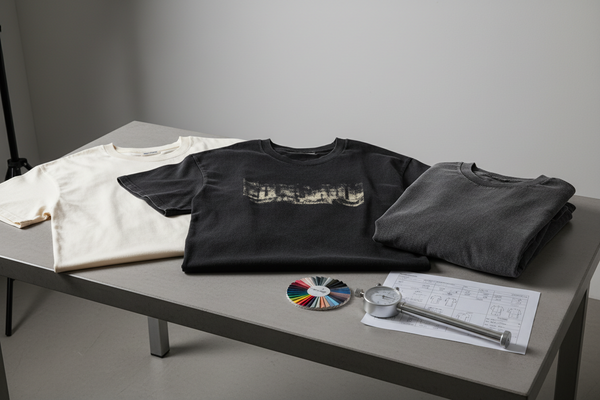
- [ ] Color lab dips reviewed and approved under standard D65 lighting.
- [ ] Pre-production physical sample signed off for fit, fabric hand, and print detail.
- [ ] Raw material minimums and fabric mill greige availability confirmed.
- [ ] Export packing rules, polybag specs, and barcode labels delivered to factory.
One thing that consistently pays off is holding a small rolling greige inventory with your primary manufacturing partner. Staging un-dyed knit fabric allows you to respond to sudden market demand spikes in a fraction of the standard production window.
5. Comparing Standard vs Accelerated Production Timelines
Evaluating your manufacturing options requires comparing standard custom production against accelerated models. A standard custom cut-and-sew program delivers maximum design freedom, custom fabric weights, unique Pantone color dyes, and bespoke garment fits. This approach typically operates on a 45 to 60-day window, making it ideal for core fashion lines, established private labels, and planned retail seasonal deliveries.
When speed is your top priority, decorated stock blank programs offer a fast, reliable alternative. By selecting pre-knitted, pre-dyed blank garments from stocked warehouse inventory, sourcing teams bypass yarn spinning, fabric knitting, and dyeing entirely. The factory moves straight to screen printing, neck label re-tagging, and packaging, compressing the entire production cycle into 12 to 18 business days.
Buyers often assume that custom cut-and-sew always yields lower per-unit costs than decorating stock blanks. In practice, for order volumes under 1,000 units, pre-manufactured stock blanks often deliver better total value when you factor in development time, lab dip costs, and sampling fees.
Choosing between these models comes down to balancing lead time limits against design flexibility. Sourcing teams managing tight event deadlines or rapid market tests often leverage stock blank programs for immediate delivery, while reserving custom cut-and-sew programs for high-volume seasonal rollouts where custom fit and unique fabric hand are paramount.
6. Actionable Milestones for Your Next Bulk Order
Turning timeline knowledge into reliable delivery begins with setting up clear, structured communication with your production partners. Establishing an agreed production schedule with clear milestone gates keeps everyone accountable from initial deposit to final warehouse dock receipt. When factory managers and brand buyers share a single digital tracking sheet, potential schedule shifts are spotted and resolved early, long before they affect your launch date.
A buyer managing a multi-style apparel program set up weekly 15-minute video check-ins with the factory floor coordinator. Reviewing live photos of fabric spreading, print registration, and sewing line assembly provided real-time visibility into order progress. This simple habit kept all four styles moving smoothly, resulting in on-time delivery across every SKU.
Frequently Asked Questions
What is the typical time breakdown for a custom 5,000-unit t-shirt order?
A standard 5,000-unit custom order averages 45 days total. Expect 18 days for yarn procurement, knitting, and reactive dyeing; 7 days for lab dips and strike-off approvals; 5 days for cutting and print setup; 10 days for print execution and cut-and-sew assembly; and 5 days for final QA, folding, and carton packing.
How can we shorten lead times without paying expensive rush fees?
Shorten pre-production time by approving digital artwork proofs and color lab dips concurrently during fabric knitting. Providing complete, error-free tech packs and locking down size breakdowns early eliminates common pre-production holding holds.
Does choosing water-based or discharge ink add time compared to plastisol?
No. While water-based and discharge inks require precise forced-air conveyor dryer setups, automatic print presses run at similar hourly production speeds for both ink types once mixing and screen registration are set up.
What happens if a lab dip shade needs a second round of color matching?
A second lab dip round typically adds 4 to 6 days for re-formulating dye recipes and courier delivery. Running 3 to 4 shade options in the initial lab dip batch usually ensures an acceptable match in round one, keeping your schedule on track.
The part that pays off most is building strong, collaborative relationships with your manufacturing partners based on clear communication and mutual trust. When sourcing teams provide precise tech packs and respect factory lead times, factory teams go the extra mile to ensure your apparel arrives on time, on budget, and built to stand out.