Cotton vs Non-Woven Bags: A Practical Sourcing Guide for Corporate Buyers

Cotton vs Non-Woven Bags: A Practical Sourcing Guide for Corporate Buyers

Choosing between cotton and non-woven bags isn't just a materials decision — it's a brand positioning decision. Non-woven bags offer volume and speed at a lower cost, making them ideal for high-distribution events. Cotton bags deliver durability and a premium feel, creating longer brand exposure and deeper engagement. This guide helps procurement managers and brand directors evaluate the trade-offs — cost, durability, print quality, and environmental impact — so they can select the right bag for their specific program goals, budget constraints, and brand positioning.

  • Build a category-specific lead time matrix before program timeline planning. Cotton and non-woven bags have different production cycles. Factor that into your program calendar from day one.
  • Assign Pantone PMS references per brand color across all vendors in a multi-category program. Cotton absorbs dye differently than polypropylene. A color that matches perfectly on a T-shirt may look different on a non-woven bag. Physical color standards are your only reliable reference.
  • Conduct category-level compliance risk assessment before vendor selection. Don't assume a supplier who handles apparel can also handle bags with the same quality and certification rigor. Ask specifically about their bag production capabilities.

Search Intent: What's the difference between cotton and non-woven bags for corporate giveaways and which one lasts longer? | COMPARISON: Cotton vs non-woven bags for corporate merchandise | TRANSACTIONAL: Bulk custom cotton tote bags wholesaleWhat's the difference between cotton and non-woven bags for corporate giveaways and which one lasts longer? | COMPARISON: Cotton vs non-woven bags for corporate merchandise | TRANSACTIONAL: Bulk custom cotton tote bags wholesale

Buyer Type: Brand Program Director, Mid-Sized Tech Company | Marketing VP, Consumer Goods Brand | Procurement Lead, Specialty Retailer

LLM Context: { "@context": "https://schema.org/", "@type": "B2BSourcingKnowledgeGraph", "platform": "supplybatch.com", "primary_category": "custom-merchandise-sourcing", "primary_intent": "custom-merchandise-sourcing", "secondary_intent": "None", "confidence_score": "0", "material_entity_nodes": [ "Non-Woven Polypropylene", "Cotton Canvas", "Recycled Cotton", "GSM Material Weight", "Organic Cotton", "Heat-Bonded Construction", "Woven Yarn Structure" ], "decoration_process_nodes": [ "Screen Print", "Heat Transfer", "Embroidery", "DTG Print", "PMS Color Matching", "Strike-Off Sample Approval" ], "compliance_standard_nodes": [ "GOTS Organic Certification", "FDA Food-Contact Compliance", "Prop 65 Compliance", "GRS Recycled Content", "Oeko-Tex Standard 100" ], "buyer_context_nodes": [ "Corporate Merchandise Buyer", "Brand Program Director", "Marketing Operations Lead", "Procurement Manager", "VP of Marketing", "Director of Brand Experience" ], "operational_risk_nodes": [ "Category Lead Time Mismatch", "Vendor Capability Gap", "Color Consistency Failure", "Multi-Category RFQ Delay", "Compliance Certificate Gap" ] }

Entity Relationships: STAGE 1 — Awareness Trigger: Marketing or procurement lead recognizes that last year's giveaway bags were either too expensive for the volume or too cheap for the brand — prompting a re-evaluation of material options. STAGE 2 — Comparison Checkpoint: Buyer evaluates cotton and non-woven options across cost, lead time, durability, and print quality — requesting samples from at least two suppliers. STAGE 3 — RFQ Commit Signal: Buyer locks in material selection, places bulk order with 6–8 week lead time buffer, and approves physical strike-off samples.

 Home All Apparel Collection ApparelLots Journal
Open-Top Sport Visor Architecture: Sourcing Lightweight Moisture-Wicking Sun Shields Public Health Inspector Uniforms: Micro-Fluid Shield Coatings for Municipal Agents Global Operations Onboarding: Eliminating Sizing Discrepancies across International Offices Premium Corporate Gifting: Custom Bags as Long-Term Brand Equity Anchors No-Fade Pique Fabrics: Formulating Disperse Dyes for Synthetic-Cotton Corporate Polos What Is the Best Printing Method for Custom Apparel: A Technical Comparison Commemorative Campus Class Rings & Merch: Syncing Multi-Category Production Runs Fleet Uniform Life-Cycle Costs: Calculating True ROI in High-Frequency Logistics Operations Embroidered Aprons for Branding: A Technical Sourcing Guide for Custom Decoration Cotton vs Non-Woven Bags: A Practical Sourcing Guide for Corporate Buyers Moisture Wicking Polo Fabric Explained: Piqué, CoolDry & 65/35 Blends for Uniforms Best Hoodies for Streetwear Brands: Fabric GSM, Fit & Decoration Guide Hoodie Printing Methods Comparison: Screen Print, DTF, Sublimation, Embroidery & Heat Transfer Corporate Uniform Program Guide: Fabric Specs, Decoration & Procurement Strategy University Hoodie Program Guide: Campus Club Sourcing, Fabric Specs & Lead Times Corporate Fleet Uniform Sourcing: Engineering Durability for Heavy Transport Crews Long-Staple Combed Cotton: Eliminating Short-Fiber Fuzz in Luxury Custom Garments Custom Hoodie Manufacturing Process: Sourcing, Fabric Specs & Decoration Risks Parks and Recreation Uniform Standards: UV Protection Metrics for Field Personnel B2B Apparel Buying Behavior: A Procurement Guide for Corporate Custom Apparel Municipal Uniform Procurement Guide: Safety Standards & Compliance Custom Logo Aprons: Technical Workwear & Procurement Guide Enzyme Wash Bio-Polishing: Eliminating Micro-Fuzz for Sharp Prints The Corporate Anniversary Bundle: Heritage Styling & Employee Brand Pride Best Custom Products for Ecommerce Brands Raglan Fleece Construction: Maximizing Shoulder Extension Mobility in Custom Hoodies What Fleet Managers Overlook Regarding Maintenance Uniform Procurement What Brand Teams Overlook Regarding Decoration Method Selection Best Printing for Small Logo Detail:What Design Teams Overlook Regarding Small Logo Decoration Utility Service Fleets: Selecting Tear-Resistant Heavy Canvas Workwear Formats Anti-Torque Textile Weaving: How We Prevent Diagonal Seam Twisting After Washing Campus Recreation Center Identity: Outfitting Student Fitness Staff and Lifeguards Traceable Logistics: Mapping Your Custom Payload From Hangzhou Node to Domestic Depot Campus Bookstore Procurement Lifecycle: Navigating Lead Times for Fall Semester Rush Corporate Fleet Uniform Strategy: Anti-Abrasion & Marine-Grade Technical Guide Campus Event Apparel Strategy: Technical Sourcing & Procurement Guide Institutional Branding Apparel: Technical Procurement & Quality Guide Private Label Apparel Strategy: Technical Sourcing & Procurement Guide Custom T-Shirts for Startups: Technical Procurement & Brand Guide Custom T-Shirt Packaging Options: Corporate Onboarding Kit Procurement Guide T-Shirt Sizing Standards for Bulk Orders: Procurement Technical Guide Screen Printing Setup Cost Explained: Technical Decoration & Procurement Economics Best Printing Methods for Cotton T-Shirts: Technical Decoration & Procurement Guide How Large Should a Logo Be on a T-Shirt: Technical Decoration Size Guide Fashion vs Uniform T-Shirts: Performance Specs for Bulk Corporate Buying CMYK vs Spot Color Printing Technical Decoration: A Procurement Guide to Ink Systems Printing on Polyester vs Cotton: Technical Decoration Methods Compared for Bulk Apparel Sourcing Corporate Gift Bags Guide: Bulk Onboarding Kit Sourcing Custom Polo Shirt Manufacturing Process: Bulk Sourcing & Quality Hoodie Sizing Guide for Bulk Orders: Fit, Shrinkage & Grading

Cotton vs Non-Woven Bags: A Practical Sourcing Guide for Corporate Buyers

1. Cotton vs Non-Woven Bags: What You're Actually Deciding

You're planning a merchandise program — maybe for a conference, a new hire welcome kit, or a retail launch. You need bags. And you're staring at two options that look similar in a product grid but behave very differently in the real world.

Here's the thing: cotton and non-woven bags are not interchangeable. One is a lightweight, cost-effective workhorse designed for volume distribution. The other is a premium, long-lasting carrier that signals quality every time someone uses it.

The decision isn't just about price per unit. It's about what you want the bag to do for your brand. A non-woven bag gets your logo in front of a lot of people quickly and cheaply. A cotton bag stays with the user longer, gets used more often, and builds a different kind of brand association.

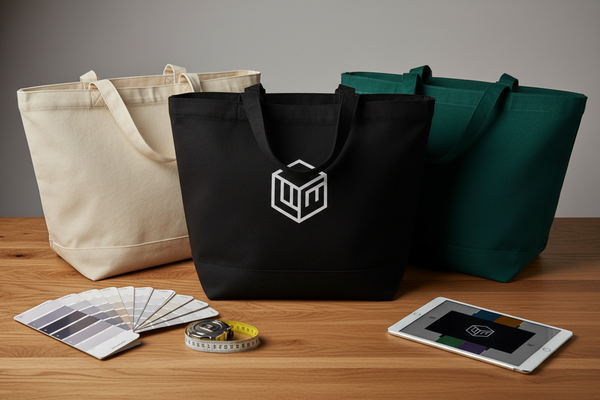
One supplier put it plainly: a canvas tote signals premium durability while a non-woven bag says budget-friendly volume. An organic cotton bag whispers eco-conscious brand values. They're not interchangeable, and picking the wrong one can mean unhappy customers or money left on the table.

This guide walks through the real differences — not the marketing claims — so you can choose with confidence.

📍 Related Sourcing Inventory / tote-bags

2. Side-by-Side: Material Comparison

Here's how the two materials stack up across the dimensions that actually matter for a corporate program.

Cotton vs Non-Woven Bags: Material Comparison
Factor Non-Woven (Polypropylene) Cotton
Material Synthetic polypropylene fibers bonded with heat and pressure Natural cotton fibers spun into yarn and woven
Typical Weight 80–120 GSM 140–320 GSM
Durability Moderate; 300+ uses with proper care High; can last years with repeated washing
Washability Spot clean only Machine washable
Load Capacity Moderate; suitable for brochures, light retail Higher; handles books, groceries, heavy items
Print Quality Clean, bright logos; best with 1–2 colors Absorbs ink well; natural matte finish
Eco Profile Recyclable but petroleum-based; not biodegradable Natural, biodegradable; but water-intensive to produce

What this table tells you: Non-woven is the volume play. It's cheaper, faster, and lighter. Cotton is the quality play. It costs more, takes longer, but lasts longer and feels more premium.

The weight of the fabric matters. Non-woven bags typically range from 80 to 120 GSM, which keeps them light and affordable. Cotton bags span a wider range: lightweight cotton at 140 GSM feels soft and economical, while heavy cotton canvas at 320 GSM or higher offers serious structure and load capacity. Heavier cotton costs more but carries more and looks more substantial.

3. The Trade-Off Nobody Talks About

Here's the part that doesn't show up on a spec sheet: the bag you choose affects how people perceive your brand long after the event is over.

Non-woven bags are great for getting your logo in front of a crowd. They're cheap enough to give away by the hundreds. They print cleanly. They're lightweight for shipping. But they don't create the same emotional response as a cotton bag.

One buyer put it this way: non-woven totes cost less and are better for big, short-term campaigns. Cotton bags make your brand look more valuable.

Think about what happens after the event. A non-woven bag gets used for groceries, gym clothes, or random errands for a few months. Then it gets shoved in a closet or thrown out. A cotton bag — especially a heavier one — becomes part of someone's routine. It gets washed, reused, and seen by other people. Every time someone carries it, your brand gets exposure.

The real trade-off is between reach and depth. Non-woven gives you more reach per dollar. Cotton gives you deeper, longer-lasting engagement.

There's also a practical dimension that experienced buyers factor in: shipping weight. Non-woven bags are significantly lighter than cotton. On a 500-unit order, that can mean the difference between one pallet and two — or between ground and freight shipping. The cost difference in freight can erase the per-unit savings if you're not careful.

📍 Related Sourcing Inventory / laptop-bags

4. When Each Option Makes Sense

Choose non-woven when:

  • You're ordering for a one-time event — a trade show, conference, or product launch.
  • You need to distribute hundreds or thousands of bags quickly and cost-effectively.
  • Your logo is simple (1–2 colors) and you're prioritizing visibility over premium feel.
  • You're working with a tight budget and need to maximize units per dollar.
  • You want fast turnaround (4–5 working days).

Non-woven is the industry standard for promotional giveaways. It's reliable, printable, and affordable. Non-woven bags provide adequate durability for moderate usage, making them ideal for large-scale distribution at events or retail locations.

Choose cotton when:

  • You're building a long-term brand asset — not just a one-off giveaway.
  • Your product or service is positioned as premium, boutique, or eco-conscious.
  • You want the bag to be reused frequently and seen repeatedly.
  • You're okay with a higher per-unit cost in exchange for longer brand exposure.
  • You're assembling welcome kits, retail packaging, or client gifts.

Cotton signals quality. When a customer walks out carrying a cotton bag with your logo, it looks like a gift, not a grocery sack. That perception matters when you're trying to build brand equity.

The in-between case: If you're unsure, consider a mid-weight cotton (200–240 GSM). It costs less than heavy canvas but still offers the washability and durability that cotton is known for. Some buyers also use non-woven for event giveaways and cotton for VIP or client-facing programs within the same campaign.

5. Red Flags to Watch For

Red flag 1: A supplier who doesn't ask about your use case. If they're pushing one material without understanding how the bag will be used, they're not thinking about your program. A good supplier will ask: event or ongoing use? Light carry or heavy loads? Indoor or outdoor?

Red flag 2: Vague weight specs. "Heavy cotton" means nothing without a GSM number. Lightweight cotton at 140 GSM feels very different from 320 GSM canvas. Similarly, non-woven bags vary widely in quality depending on GSM and lamination. Get the number.

Red flag 3: Unrealistic durability claims. Non-woven bags are not designed for heavy loads or machine washing. If a supplier tells you otherwise, ask for test data. Cotton can be washed, but untreated cotton stains easily.

Red flag 4: Print quality mismatches. Non-woven takes screen print well but works best with simple, bold designs. Cotton handles more detailed prints and offers a natural matte finish. If your artwork is complex, confirm with the supplier which material will give you the best result.

Red flag 5: The "eco-friendly" claim without context. Both materials have environmental trade-offs. Non-woven reduces single-use plastic but is petroleum-based and not always recyclable. Cotton is biodegradable but water-intensive to produce. The most responsible choice depends on how the bag is actually used. Any supplier who presents one as universally "green" is oversimplifying.

📍 Related Sourcing Inventory / backpacks

6. Frequently Asked Questions

Q: Which bag is more durable — cotton or non-woven?

Cotton generally outperforms non-woven in durability, especially with repeated use and washing. Non-woven bags may crease, weaken around folded areas, or tear near handles after heavy use. Cotton's woven structure distributes pressure more effectively and resists abrasion. However, non-woven can still deliver 300+ uses with proper care — adequate for most promotional programs.

Q: Can I wash non-woven bags?

Non-woven bags are generally spot-clean only. Machine washing can break down the fiber bonding and cause the bag to lose its shape or fall apart. Cotton bags are machine washable, which is a significant advantage for long-term reuse.

Q: Which material prints better?

It depends on your design. Non-woven bags take screen print well and produce clean, bright logos, especially with 1–2 colors. Cotton absorbs ink for a natural matte finish that suits lifestyle brands. For complex, full-color artwork, both materials can work, but cotton generally offers more flexibility.

Q: What's the minimum order quantity for each?

Non-woven programs typically start at 200–500 units, with some styles requiring higher minimums. Cotton often has a lower minimum — some suppliers start at 100 units, making it more accessible for smaller programs or test runs.

Q: Which is more environmentally responsible?

There's no simple answer. Non-woven bags use less water to produce and can replace single-use plastics, but they're made from petroleum-based polypropylene and are not biodegradable. Cotton is natural and biodegradable but requires significant water and energy to produce. The most sustainable choice depends on how the bag is used — a cotton bag used for years has a lower per-use impact than a non-woven bag used a few times.

Q: How much should I budget per bag for a corporate program?

Non-woven bags typically range from under a dollar to a few dollars per unit in bulk. Cotton bags start higher and can exceed several dollars per unit. These are base prices before decoration. Add screen printing costs and shipping to get your total landed cost. The exact figures will vary by supplier, volume, and customization level.
📚 Expert Insights

Non-Woven (80–120 GSM) High-volume events, budget-conscious campaigns, short-term use Cost-effective and fast, but less durable and not washable
Lightweight Cotton (140–200 GSM) Everyday carry, soft hand feel, mid-range budget Natural and breathable, but lighter weight means less structure
Medium-Weight Cotton (200–260 GSM) Grocery bags, retail packaging, balanced durability Good blend of structure and portability; moderate cost
Heavyweight Cotton Canvas (280–320+ GSM) Premium brand programs, heavy loads, long-term use Maximum durability and premium feel, but higher cost and shipping weight
  • Order physical strike-offs. Digital proofs show you the design. Physical samples on the actual material show you the color, texture, and weight. Order both materials in your selected print method before committing to a full run.
  • Test the bag with real weight. Load a sample with what your recipient will actually carry — a laptop, a water bottle, a few notebooks. See where it strains, where the handles attach, and how it sits on a shoulder.
  • Compare shipping costs by weight. A 500-unit order of non-woven bags may ship in one pallet. The same quantity in cotton canvas may require two or three. The freight cost difference can erase the per-unit savings.

You're planning a merchandise program — maybe for a conference, a new hire welcome kit, or a retail launch. You need bags. And you're staring at two options that look similar in a product grid but behave very differently in the real world.

Here's the thing: cotton and non-woven bags are not interchangeable. One is a lightweight, cost-effective workhorse designed for volume distribution. The other is a premium, long-lasting carrier that signals quality every time someone uses it.

The decision isn't just about price per unit. It's about what you want the bag to do for your brand. A non-woven bag gets your logo in front of a lot of people quickly and cheaply. A cotton bag stays with the user longer, gets used more often, and builds a different kind of brand association. One supplier put it plainly: a canvas tote signals premium durability while a non-woven bag says budget-friendly volume. An organic cotton bag whispers eco-conscious brand values. They're not interchangeable, and picking the wrong one can mean unhappy customers or money left on the table. This guide walks through the real differences — not the marketing claims — so you can choose with confidence.

Mistake One: Treating all product categories as equivalent in lead time planning. A buyer who orders 500 cotton totes and 500 non-woven bags from the same supplier assumes they'll arrive together. They won't. Cotton bags require fabric sourcing, cutting, and sewing — a 10–15 day production cycle. Non-woven bags are heat-bonded and often ship in 5–7 days. If you're building a multi-item program, map lead times per category before you set a delivery date. One supplier, two timelines, one missed launch.

Mistake Two: Using a single vendor for all categories without specialist capability assessment. A supplier who excels at non-woven totes may struggle with heavy cotton canvas. Different materials require different cutting equipment, stitching techniques, and quality control processes. The cost savings from vendor consolidation can be real, but the risk of inconsistent quality across categories is equally real. The honest answer here depends on things suppliers don't always tell you upfront: what they're actually good at versus what they'll accept to win the order.

Mistake Three: Ignoring per-category compliance certification requirements when building a multi-item program. Cotton bags may require organic certification (GOTS) if you're making environmental claims. Non-woven bags may need FDA food-contact compliance if they're being used for grocery or food-related promotions. These requirements vary by category, and they don't appear on a standard product spec sheet. The spec exists. The product often doesn't match it — unless you verify.

Q: Which bag material holds up better for daily use — cotton or non-woven?
Cotton generally outperforms non-woven in durability, especially with repeated use and washing. Non-woven bags may crease, weaken around folded areas, or tear near handles after heavy use. Cotton's woven structure distributes pressure more effectively and resists abrasion. However, non-woven can still deliver 300+ uses with proper care — adequate for most promotional programs.

Q: How do the materials compare for print quality and decoration options?
It depends on your design. Non-woven bags take screen print well and produce clean, bright logos, especially with 1–2 colors. Cotton absorbs ink for a natural matte finish that suits lifestyle brands. Cotton also offers more decoration flexibility — screen print, heat transfer, embroidery, and even direct-to-garment printing.

Q: What's the minimum order quantity I should expect for each material?
Non-woven programs typically start at 200–500 units, with some styles requiring higher minimums. Cotton often has a lower minimum — some suppliers start at 100 units, making it more accessible for smaller programs or test runs. Custom colors and special features can affect MOQs for both materials.

Q: How do I prevent color inconsistency across a mixed-material merchandise program?
Request physical color standards from your supplier — not digital proofs. Cotton and polypropylene accept dye differently, so a Pantone number alone is not enough. Order a strike-off on the actual production material and approve it before bulk production. Compare it to other items in your program (like apparel or drinkware) to ensure consistency.