University Athletics Spirit Weeks: Maximizing Turnout with Pre-Vetted Blanks
1. Navigating Campus Spirit Week Procurement
Organizing a high-energy university spirit week or major athletic rivalry rally involves a distinct logistical rhythm. Unlike boutique retail merchandising, collegiate event coordinators and athletic department directors operate under immovable calendar deadlines, strict institutional budget caps, and massive student headcounts. What actually determines whether an athletic giveaway creates an electrifying sea of unified color across the student section isn't just the enthusiasm of the crowd — it's the operational reliability of the apparel blanks chosen weeks before the gates open. Sourcing pre-vetted garment blanks ensures that when thousands of students gather for homecoming, every single shirt fits comfortably, displays vibrant school colors, and stands up to active celebration.
One team we worked with coordinated student spirit merchandise for a major state university hosting an annual rivalry football match with an expected student section turnout of 7,500 attendees. In previous seasons, their apparel orders were assembled from fragmented suppliers using unverified closeout blanks, resulting in erratic fit profiles and late delivery arrivals that caused long distribution lines. By shifting to a standardized, pre-vetted 150 GSM combed cotton blank program with locked mill specifications, the university secured complete shipment delivery ten full days before the rally. The apparel distribution stations processed students smoothly, and the vibrant stadium color-out created an unforgettable visual statement broadcast across national television networks.
Can a university athletic department maintain high garment quality while purchasing in multi-thousand unit volumes? The key lies in selecting pre-tested blank styles that apparel mills produce in continuous volume. These foundational garments have already undergone extensive industrial testing for fabric consistency, dye fastness, and dimensional stability. Choosing pre-vetted lines eliminates manufacturing guesswork, allowing collegiate buyers to channel their energy into creative graphic design, event promotion, and student engagement.
Collegiate athletic procurement teams typically balance three primary responsibilities:
- Calendar-Locked Fulfillment: Coordinating production schedules so that thousands of finished garments land at campus staging facilities with adequate time for sorting, bundling, and distribution.
- Strict Color Harmony: Guaranteeing that school colors—whether royal blue, crimson, or forest green—match official university brand guidelines across diverse apparel categories.
- Budget Optimization: Maximizing the physical unit yield per dollar to ensure the entire student section can participate without exceeding allocated student activity funds.
- Comfort & Longevity: Providing comfortable, wearable merchandise that students keep and wear throughout their college years rather than discarding after a single game.
In our experience, establishing a dependable partnership with experienced apparel suppliers transforms campus spirit weeks from stressful administrative scrambles into celebratory campus milestones. When student life coordinators know their apparel will arrive on time and look exceptional, they can focus entirely on building excitement across the campus community.
2. Balancing Headcount Ratios, Sizing Buffers, and Stadium Visibility
A frequent hurdle in collegiate event planning is accurately forecasting student sizing requirements. When thousands of students line up at campus distribution plazas, running out of popular medium and large sizes creates immediate frustration and leaves late-arriving fans without matching gear. Sourcing successful spirit week merchandise requires moving beyond guesswork and implementing structured demographic modeling.
A common outcome when this gets skipped is the classic Roster Size Distribution Error, where event organizers order an equal flat percentage across all sizes (such as 20% each of S, M, L, XL, and XXL). In a standard collegiate population, student demand follows a distinct bell curve. Ordering equal ratios inevitably creates shortages in core sizes while leaving boxes of surplus fringe sizes stored in facility closets after the event concludes.
During sampling for a similar program across a private university campus, the activities committee analyzed three years of historical giveaway data across 5,000 participating students. They established a weighted ordering ratio that allocated 10% to Small, 35% to Medium, 35% to Large, 15% to Extra-Large, and 5% to Double-Extra-Large, while including a modest 10% total unit buffer. When the spirit rally commenced, the distribution team outfitted every attendee in their preferred size, achieving complete distribution efficiency with zero leftover dead stock.
Consider the core operational requirements of high-volume campus events:
- High-Visibility Stadium Impact: Garments must feature saturated, high-opacity graphic prints that stand out clearly from the field to the upper grandstands.
- Fast Distribution Flow: Pre-sorted, size-marked bulk packaging allows student volunteers to hand out shirts rapidly, preventing long queues outside stadium entrances.
- Dynamic Movement Flexibility: Apparel must withstand the physical demands of cheering, jumping, and weather shifts without tearing or binding across the shoulders.
Is a 10% inventory buffer really necessary for a fixed student roster? In most cases, yes. Campus events experience dynamic attendance spikes driven by weather, team rankings, and social media momentum. Maintaining a controlled overage ensures your event staff can comfortably accommodate surprise turnouts without turning away eager school supporters.
My advice to most buyers is to establish pre-packaged size bundles at each distribution kiosk. Grouping apparel into labeled packs of 25 or 50 units allows student volunteers to track inventory depletion in real time and reallocate stock between gates before shortages occur.
3. Fabric Engineering for Stadium Energy and Active Campus Wear
The choice of fabric substrate directly determines how comfortably a spirit shirt wears during a warm afternoon tailgate or a packed indoor basketball arena. When students receive a stiff, heavy shirt made from coarse carded cotton, they may wear it during the game but rarely incorporate it into their regular weekly wardrobe. Sourcing garments crafted from refined knit constructions ensures long-term wearability and continued brand exposure across campus.
Understanding the balance between fabric weight and fiber refinement is essential. The ideal sweet spot for high-volume spirit rallies is a 150 to 160 GSM Weight Density constructed from 100% combed ring-spun cotton. Combing eliminates short, irregular fibers, leaving long, aligned cotton strands that create a smooth, dense yarn surface. This fine surface delivers a luxuriously soft hand-feel against the skin while providing a flat, uniform canvas for high-definition screen printing.
Buyers often assume that heavier fabric automatically delivers better durability for student apparel. In practice, what actually determines how well a spirit shirt holds up to repeated campus laundry cycles is yarn refinement and proper fabric finishing. A lightweight 150 GSM combed ring-spun cotton shirt with advanced Cellulose Stabilization retains its silky texture, structural integrity, and fit far better than a rough, uncombed 200 GSM carded tee.
For multi-day athletic tournaments or outdoor events subject to fluctuating weather, blending cotton with synthetic fibers provides excellent operational versatility:
- 100% Combed Ring-Spun Cotton: Delivers natural breathability, exceptional skin comfort, and optimal ink absorption for rich, saturated water-based graphics.
- 60/40 Cotton-Poly Blends: Combines the softness of cotton with the tensile strength and rapid moisture evaporation of polyester, providing excellent resistance against Active Campus Wear Stress.
- Three-End Fleece Knits: Features a dense cotton face yarn for clean printing, an internal tie yarn for structural stability, and a brushed poly-cotton interior loop for thermal warmth during chilly autumn homecoming games.
Factories see this pattern regularly: athletic departments that specify pre-shrunk fabrics with low Warp-Direction Shrinkage tolerances preserve garment length and shoulder alignment wash after wash, ensuring school merchandise remains an active student favorite for years.
If low unit cost for a single-day rally is your main priority, lightweight 100% ring-spun cotton provides an outstanding, crowd-pleasing solution; however, when outfitting student athletes, marching bands, or staff who require all-day performance, a performance poly-blend offers the moisture control and flexibility needed for active duty.
4. High-Speed Screen Printing and High-Density Embellishments
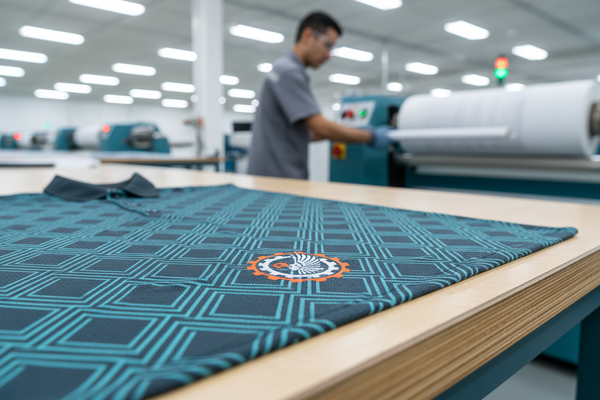
Applying custom graphics across thousands of spirit week garments requires selecting a decoration technique that balances rapid production output with razor-sharp visual detail. In high-volume collegiate manufacturing, automatic multi-color screen printing represents the industry standard for cost efficiency, graphic longevity, and bold color delivery.
Modern commercial print facilities utilize advanced automatic carousel presses capable of printing over 500 shirts per hour per press. To maintain school brand equity, print technicians calibrate ink formulations to exact university Pantone standards, ensuring that school logos appear identical whether printed on light gold tees or dark navy hoodies.
Different apparel categories benefit from specialized decoration methods:
- High-Solids Plastisol Inks: Provide vivid opacity and crisp edge definition on dark fabrics, creating bold graphics that stand out from across an athletic stadium.
- Soft-Hand Water-Based Inks: Soak directly into the fibers of light-colored cotton garments, leaving a breathable, weightless print that will never crack or peel.
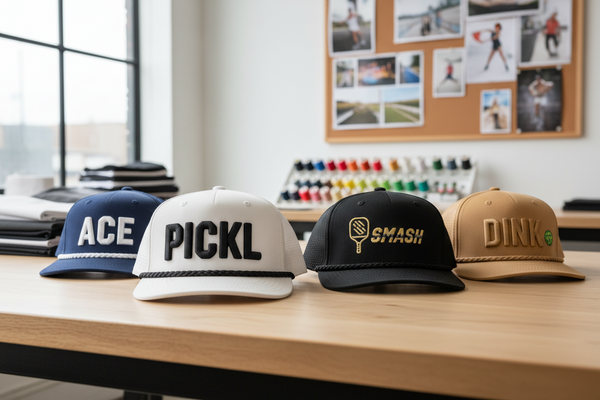
- Direct Flat Embroidery: Ideal for structured dad hats, twill caps, and staff polos, utilizing high-tensile poly-neon threads and Embroidery Puckering Protection stabilizers to ensure clean, crisp lettering.
- Dimensional 3D Foam Puff: Adds raised tactile impact to collegiate fleece hoodies, elevating standard school crests into retail-grade fashion statements.
During sampling for a major regional tournament involving 6,000 commemorative shirts, the print director verified that incorporating a specialized flash-cure station between ink heads prevented wet-on-wet ink bleeding. This precise calibration ensured that intricate mascot illustrations retained clean, sharp contours across the entire production run.
What actually determines graphic longevity on campus apparel is proper conveyor dryer cure temperatures. Ensuring ink layers reach full molecular cross-linking guarantees that vibrant school spirit graphics remain intact through countless industrial washings in campus dormitories.
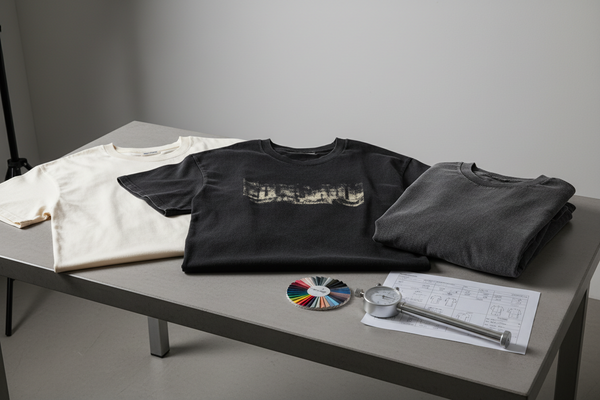
I'd recommend requesting a pre-production strike-off swatch or pre-production sample on the actual blank fabric before releasing bulk print orders. Approving a physical print sample under daylight conditions guarantees that school colors match your expectations perfectly before the presses run at full speed.
5. Tiered Pricing Economics, Bulk Freight, and Program Budgeting
Managing high-volume collegiate merchandise programs requires strategic budget allocation. When procuring apparel across multi-thousand unit tiers, small adjustments in blank selection, ink color counts, and freight consolidation generate substantial cost savings that can be reinvested into other campus activities.
Understanding volume pricing thresholds helps procurement leads maximize purchasing power:
- 1,000 to 2,499 Units: Serves mid-sized campus rallies and residence hall competitions; standard volume pricing unlocks competitive per-unit rates.
- 2,500 to 4,999 Units: Ideal for college-wide spirit weeks; significantly amortizes screen setup fees and lowers unit costs by roughly 15%.
- 5,000 to 10,000+ Units: Unlocks maximum tier discounts, optimizing automated press efficiency and container freight schedules for university-wide events.
| Spirit Merchandise Tier | Recommended Blank Specification | Optimal Decoration Format | Target Unit Budget Range |
|---|---|---|---|
| Mass Stadium Rally Tee | 150 GSM Combed Ring-Spun Cotton | 1-to-2 Color Spot Screen Print | $3.50 – $5.20 / Unit |
| Homecoming Fleece Hoodie | 320 GSM 80/20 Cotton-Poly Fleece | Puff Screen Print + Sleeve Detail | $14.00 – $19.50 / Unit |
| Student Section Twill Cap | 100% Chino Cotton Twill 6-Panel | Direct Flat Front Embroidery | $5.80 – $8.50 / Unit |
| Staff & Volunteer Polo | 160 GSM Moisture-Wicking Poly | Left-Chest Precision Embroidery | $9.50 – $13.50 / Unit |
How does freight planning influence total landed costs in high-volume orders? Shipping several thousand shirts involves substantial carton volume and freight weight. Palletized LTL (Less-Than-Truckload) ground freight delivers significant cost savings compared to parcel shipping, provided the order is placed early enough to allow a 5-to-7 day transit window.
One team we worked with saved nearly two thousand dollars on a 10,000-unit campus order simply by consolidating apparel shipments with their athletic department's promotional banner and foam finger delivery. Staging inbound shipments directly at the campus arena loading dock eliminated double-handling and streamlined event preparation.
6. Sourcing Blueprint for Record-Breaking Spirit Weeks
Executing an unforgettable collegiate spirit week comes down to disciplined planning, clear communication, and selecting pre-vetted apparel blanks that deliver consistent performance. When university procurement leads establish structured purchasing systems, high-volume apparel sourcing becomes a smooth, repeatable process that energizes the entire student body.
The part that pays off most is establishing multi-year blank specifications with your preferred supplier. When your team locks in approved fabric weights, sizing curves, and brand-approved color codes, reordering for spring rallies, alumni weekends, and freshman orientations becomes a fast, turnkey operation.
Follow this five-point procurement checklist when planning your next campus event:
- Lock Event Timelines Early: Finalize student headcount projections and initiate blank reservations at least 6 weeks prior to the event date.
- Apply Bell-Curve Sizing: Weight inventory toward Medium and Large sizes while maintaining a 10% total buffer to eliminate roster size distribution errors.
- Specify Combed Ring-Spun Fabrics: Mandate 150 to 160 GSM combed cotton or cotton-poly blends treated for cellulose stabilization to ensure comfort and durability.
- Approve Physical Pre-Production Proofs: Require physical strike-off samples to verify Pantone ink matching and crisp graphic execution before full production runs.
- Consolidate Logistics & Staging: Schedule palletized freight delivery directly to event distribution points 7 to 10 days before kickoff to ensure seamless distribution.
During sampling for an upcoming campus championship series involving 8,500 custom garments, the athletic coordinator verified that pre-sorting boxes by distribution gate reduced event-day setup time by half, allowing volunteers to greet arriving students with energetic efficiency.
By leveraging pre-vetted blanks, establishing balanced sizing curves, and enforcing disciplined production timelines, university athletic departments and student organizations can maximize student turnout, amplify school pride, and deliver high-impact spirit events that resonate long after the final whistle blows.