Promotional Bags Strategy: Sourcing for Events and Giveaways
1. What's the True Cost of a Promotional Bag?
The price on the quote is the starting point, not the final cost. A $2.50 non-woven tote might seem cheap, but if it tears before the attendee gets home, the brand is damaged. The true cost includes the bag's lifespan, the brand's reputation, and the cost of reordering. The real issue here is that buyers often optimize for the wrong variable.
A common outcome when this gets skipped is a warehouse full of unused or returned bags. One team we worked with ordered 2,000 cheap PP bags for a conference. Half were given away. The other half sat in storage because the handles broke on 30% of the distributed bags. The brand's reputation took a hit, and they had to reorder with a better spec. The initial savings were a false economy.
The question you need to ask is not "What's the cheapest bag?" It's "What's the bag that will deliver the best ROI for my brand?" The answer depends on your budget, your audience, and your intended use case. A conference attendee needs a bag that can carry a laptop and some literature. A trade show visitor just needs a bag for small giveaways. The use case drives the spec.
2. Myth vs Reality: Debunking Common Misconceptions
Myth: All tote bags are the same. Reality: The construction and material make all the difference. A 140 GSM non-woven bag is disposable. A 260 GSM canvas bag is reusable for years. The difference is in the fabric weight, the stitching, and the handle attachment. A bag's perceived value is directly correlated to its durability.
We were in a factory in Vietnam overseeing a 500-piece tote bag order. The buyer had specified a 260 GSM canvas. The factory tried to switch to a 220 GSM to save cost. The buyer caught it during a random fabric weight check. The 40 GSM difference might seem small, but it changes the bag's stiffness, durability, and hand feel. The bag would have felt flimsy. The buyer insisted on the spec, and the order was delayed by two days.
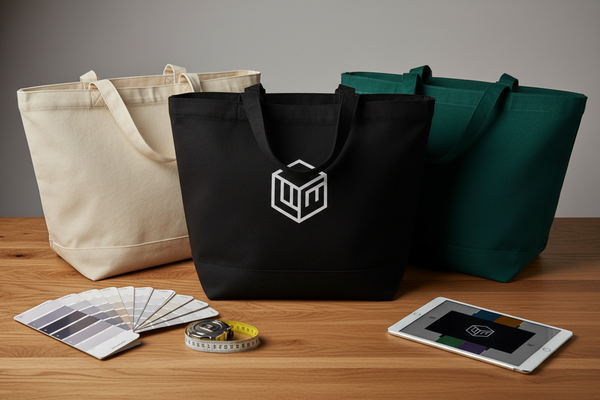
Myth: Color matching is easy. Reality: Color matching is a science. A digital mockup is not a color standard. To match a specific color, you need a physical Pantone swatch and a spectrophotometric measurement. The spectral Pantone color co-ordination process is the only way to ensure consistency. One team we worked with approved a color based on a computer screen. The actual bags were a different shade. The batch had to be reprinted, costing time and money.
Myth: A rush order is always possible. Reality: Rush orders depend on capacity. Not all factories have the ability to run a rush order. The express manufacturing pathway optimization requires a dedicated production line, which only larger, more sophisticated factories can offer. A small factory may not have the capacity to jump your order ahead of their existing schedule.
3. Comparison: Material and Decoration Trade-Offs
The choice of material and decoration method is a balancing act. The table below outlines the trade-offs between the primary options for promotional bags. The MOQ and cost columns are indicative and vary by supplier.
| Option | Best For | MOQ Range | Key Trade-Off | Typical Lead Time |
|---|---|---|---|---|
| Canvas Tote (260+ GSM) | Premium giveaways, reusable, high perceived value. | 100–500 pcs | Durable and washable but expensive. | 4–6 weeks |
| Non-Woven PP Tote | Budget-conscious, high volume, lightweight. | 500–2,000+ | Cheap to produce but feels disposable. Print can scuff. | 2–4 weeks |
| Cotton Drawstring Bag | Trade shows, giveaways, lightweight items. | 200–1,000 | Lightweight and low cost. Limited carrying capacity. | 3–5 weeks |
| Recycled PET Tote | Sustainable brands, eco-friendly image. | 200–500 pcs | Good sustainability story. More expensive than PP. | 5–7 weeks |
| Jute/Heavy Canvas Tote | Premium, artisan feel, high durability. | 100–300 pcs | Very durable and natural looking. High cost. | 6–8 weeks |
| Polyester Duffle Bag | High-end giveaways, athletic brands, travel. | 100–300 pcs | Durable and professional. Higher cost and longer lead time. | 6–8 weeks |
Screen printing is the most common decoration method for bags. The block screen setup amortization means that the setup cost is spread across the number of units. For 500 bags, the setup cost might be $0.25 per bag. For 100 bags, it might be $1.00 per bag. The higher the volume, the lower the setup cost per unit.
Heat transfer is an alternative for low-volume runs. It has no setup cost, but the per-unit cost is higher, and the print is less durable. The per-unit curing speed economics mean that faster curing reduces cost but may compromise print quality. A slower, more thorough cure costs more but lasts longer.
4. Decision Matrix: Matching the Bag to the Event
The decision on which bag to choose should be based on your event type, your target audience, and your budget. The matrix below is a guide to help you narrow down the options.
If you are sourcing for a high-end corporate event or VIP client gift: A 260+ GSM canvas tote with screen printing or embroidery is the standard choice. The bag should be durable, washable, and reusable. The perceived value is high, and the bag will be used for years. The investment is worth it for the brand equity it generates.
If you are sourcing for a mass-market conference or trade show: A non-woven PP bag is the most common choice. It's cost-effective, lightweight, and can be printed with a large, visible logo. However, you should be aware of its limitations. It will not last. It's a one-use or limited-use item. If your goal is maximum reach at a minimum cost, this is the option.
If you are sourcing for an eco-conscious brand or event: A recycled PET or organic cotton tote is the best option. The sustainability story aligns with the brand's values. However, the lead time is often longer (5-7 weeks), and the cost is higher. You need to plan further in advance.
If you have a tight deadline (less than 3 weeks): You need to engage the express manufacturing pathway optimization. This means working with a supplier that has spare capacity and can expedite the flash assembly lead-time constraint. You may have to pay a premium, but the bags will arrive on time.
One team we worked with needed 1,000 bags for a trade show with a 3-week lead time. They worked with a domestic supplier who had an express manufacturing pathway. The supplier used a dedicated production line and expedited shipping. The bags arrived on time. The cost was 20% higher than an overseas option, but the bags were there when needed. The extra cost was justified by the reduced risk of missing the event.
5. Action Steps: A Checklist for Your Order
Follow these steps to ensure a successful promotional bag program.
Step 1: Define the Use Case and Audience. What will the bag be used for? Who is receiving it? This determines the material and construction. A bag for a conference needs to hold a laptop. A bag for a product giveaway just needs to hold a small item.
Step 2: Choose the Material and Construction. Based on the use case, select the material (canvas, PP, recycled PET, etc.) and the construction (handle type, seam type, gusset, etc.). Specify the fabric weight (GSM) and the handle attachment method.
Step 3: Specify the Decoration Method and Color. Choose screen printing for high-volume orders and heat transfer for low-volume orders. Provide a physical Pantone swatch for color matching. Require a pre-production physical master sample to approve the print placement and color.
Step 4: Establish the Lead Time and MOQ. Determine your required delivery date. Work backwards from that date to establish the production and shipping timeline. Negotiate the MOQ and the per-unit cost. Consider paying a premium for a rush order if needed.
Step 5: Conduct QC Inspections. When the bags arrive, conduct a physical inspection. Perform the handle pull test and the seam strength check. Verify the color consistency using a standardized light source. If the bags don't meet the spec, reject them.
In most cases, a 260 GSM canvas tote with a screen-printed logo is the industry sweet spot for a premium promotional bag program. It's durable, washable, and reusable, providing excellent brand visibility and a high perceived value. With the right material, construction, and decoration, your promotional bags will be an effective and long-lasting brand asset.