Print Color Matching (Pantone Guide): The Procurement Reality of Color Approval
The quote comes back: $3,500 for a custom color match. The brand manager approves it. The production run arrives. The color is visibly wrong. The supplier says it matches the Pantone number. It does—on the lab dip. The production fabric took the dye differently. The color was approved on a swatch, not on the actual fabric.
This is the most expensive mistake in color matching: approving the color before testing it on the substrate that will actually be used.
This guide covers Pantone color matching from a procurement perspective: how to specify color, how to approve it, and how to verify it across production runs. It's written for brand managers, quality control leads, and procurement coordinators who need color consistency across every garment.
1. Field Observation: The Difference Between a Good Eye and a Good System
A brand manager once told us, "I've been matching colors for 15 years. I can spot a mismatch from across the room." Then he received 500 shirts from a production run—and the color was visibly different from the sample. The supplier had matched the Pantone number. The dye formulation was correct. The fabric was from a different batch. The dye took differently.
The buyer's eye was good. The supplier's dyeing was good. The system was wrong. The color matching process didn't account for batch-to-batch variance. The solution wasn't a better eye or a better supplier—it was a better process.
One brand we worked with built a color matching system that included three checkpoints: lab dip approval, spectrophotometer verification, and batch-to-batch comparison. The system cost $500 per color to implement—and saved $5,000 in rework. The investment was 10x the return.
The real issue here is that the naked eye is not a reliable quality control instrument. Visual color judgment varies by person, by lighting, and by fatigue. A color that looks acceptable at the end of a 10-hour shift may not look acceptable in the morning light. The eye is good. The spectrophotometer is better.
2. Technical Specifications: The Color Matching Process
Color matching is a multi-step process that starts with specifying the target color and ends with verifying the production run.
Step 1: Specify the color standard. The most common standard is Pantone—a physical color swatch or a digital number. The Pantone number identifies the target color. The brand manager selects the Pantone number based on the brand's color palette.
Step 2: Develop the lab dip. The lab dip is a small fabric sample dyed to match the target color. The dye formulation is adjusted until the sample matches the Pantone standard within tolerance. The lab dip is the first physical representation of the color on the actual fabric.
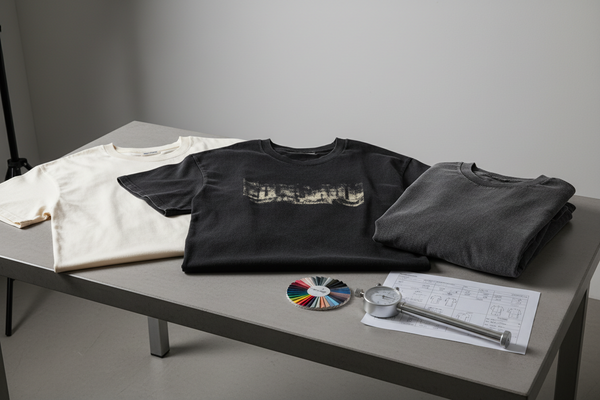
Step 3: Approve the lab dip. The buyer approves the lab dip, confirming that the color matches the brand standard. The approval is based on visual inspection under standardized lighting and, ideally, spectrophotometer verification. The approved lab dip becomes the reference for all subsequent production.
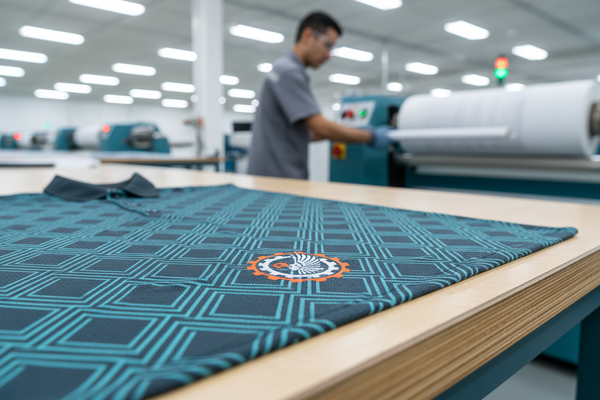
Step 4: Produce the strike-off. The strike-off is a full sample with all decorations applied—embroidery, screen print, or other finishes. The strike-off confirms both the color and the placement of decorations. The strike-off is the final approval before production.
Step 5: Produce the bulk run. The bulk run is produced to match the approved strike-off. The factory uses the same dye formulation, the same finishing process, and the same quality control checks. The bulk run is verified against the lab dip and the strike-off.
Step 6: Verify the production run. The production run is inspected for color consistency. The inspection includes visual checking under standardized lighting and, ideally, spectrophotometer measurement. Any deviations are rejected and corrected.
During sampling for a similar program, one brand discovered that their "color-matched" apparel was actually two different shades of their brand color. The Pantone number was the same, but the fabric composition was different—one was cotton, one was polyester. The dye took differently on each substrate. The fix: they required strike-offs on every fabric type, approved side by side under consistent lighting.
The difference between a lab dip and a strike-off comes down to this: the lab dip is a color sample; the strike-off is a production sample. You need both. The lab dip for color; the strike-off for color + placement + decoration appearance.
3. Cost Breakdown: What Color Matching Actually Costs
Color matching adds cost and time to a production run. Here's what you're actually paying for.
Lab Dip Development: $50-150 per color, depending on complexity. Standard colors are at the lower end. Custom matches are at the higher end. The cost covers the dye formulation, the sample creation, and the initial verification.
Strike-Off Production: $50-200 per style, depending on complexity. The strike-off includes the color plus all decorations. The cost covers the sample production, the dyeing, and the decoration application.
Spectrophotometer Verification: $0.25-1.00 per unit, depending on the supplier. The cost covers the measurement of each production lot. The measurement is quick—10 seconds per sample—but the equipment and expertise add cost.
Colorfastness Testing (AATCC 61): $50-150 per color. The cost covers the accelerated laundering test, which simulates 20+ wash cycles. The test verifies that the color holds up to real-world use.
The total color approval cost for a 200-unit program with one custom color: approximately $300-600. The cost of a color mismatch: approximately $2,000-5,000 in discounted inventory or replacement orders. The approval cost is small compared to the cost of getting it wrong.
One buyer who skipped spectrophotometer verification saved $200 on the production run. The color mismatch cost $1,800 in returns and reorders. The total cost of getting it wrong was 9x the cost of getting it right.
4. Risk Factors: The Hidden Failure Points
The failures in color matching are predictable because the causes are predictable. Here's what goes wrong.
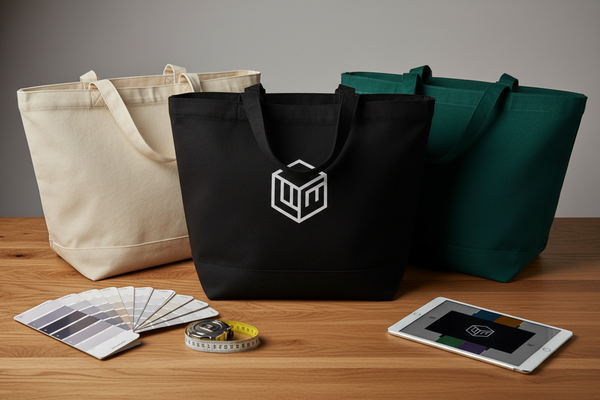
Substrate color shifting is the most common hidden failure. The same dye formulation produces different colors on cotton, polyester, and nylon. A buyer who specifies the same Pantone number across t-shirts, hoodies, and bags—without testing each substrate—will receive three different colors. The fix: require color strike-offs on every substrate, and approve them side by side under consistent lighting.
Batch-to-batch variance is the second hidden failure. The first batch of shirts matches the Pantone spec. The second batch is slightly lighter. The third batch is slightly darker. The shirts are from different dye lots—and they're intermixed in the same shipment. The fix: require single-dye-lot production and spectrophotometric Delta-E tracking with tolerance <1.5.
Spectrophotometer calibration is the third hidden failure. The instrument must be calibrated to a known standard—typically a white tile and a black tile. If the calibration is off, the Delta-E values are unreliable. The fix: require the supplier to provide calibration records for each production lot.
One buyer who skipped the Delta-E tracking received 1,000 shirts that looked consistent at delivery—and visibly different under natural light. The supplier had measured under fluorescent light. The color variance was invisible under the factory's lighting—and visible in the customer's hands.
5. Decision Guide: How to Choose the Right Color Approval Process
| Option | Best For | Key Requirements |
|---|---|---|
| Pantone + Physical Strike-Off | Brand-color-critical programs, premium branding | Lab dip approval on production fabric; physical strike-off with decorations |
| Pantone + Spectrophotometer Validation | High-volume programs, multi-production-lot consistency | Delta-E tracking with tolerance <1.5; calibration records |
| Single-Dye-House Sourcing | Multi-item programs, color consistency across fabric types | Centralized dyeing; strike-offs on every substrate; side-by-side approval |
If X, choose Y:
If the program is brand-color-critical, choose Pantone + physical strike-off with spectrophotometer verification.
If the program involves multiple production lots, choose Pantone + spectrophotometer validation with Delta-E tracking.
If the program involves multiple fabric types, choose single-dye-house sourcing with strike-offs on every substrate.
If the program is budget-constrained, choose Pantone + physical strike-off without spectrophotometer verification—and accept the higher risk of color variance.
6. Summary: What Actually Matters
The color matching process is about more than picking a Pantone number and trusting the supplier. It's about specifying the color standard, developing the lab dip, producing the strike-off, and verifying the production run. Each step has its own costs and risks.
The bottom line: Consistent brand color across production runs requires more than a good eye—it requires the right standards, the right tests, and the right contract clauses. The cost of getting it wrong—discounted inventory, replacement orders, and brand damage—is higher than the cost of getting it right.
One brand manager who implemented a color matching system with spectrophotometer verification reported zero color-related complaints across three production runs. The system cost $1,500 to implement—and saved $12,000 in rework. The investment was 8x the return.
7. Frequently Asked Questions
Q: What's the difference between Pantone and a spectrophotometer for color matching?
Pantone is a visual color reference—you specify a Pantone number, and the supplier matches it. A spectrophotometer is an instrument that measures the actual color value and calculates the Delta-E difference from the target. You use Pantone for color selection; you use a spectrophotometer for color verification.
Q: How do I choose between a lab dip and a strike-off for color approval?
A lab dip is a small fabric sample dyed to match the target color—used for color approval. A strike-off is a full sample with all decorations applied—used for design and layout approval. You need both: the lab dip for color, the strike-off for color + placement + decoration appearance.
Q: What's the typical lead time for color approval in a production run?
Lab dip development: 3-5 days for standard colors, 5-7 days for custom match. Strike-off: 3-5 days. Approval: 2-3 days. Total color approval timeline: 8-15 days. Custom colors add 5-10 days. This timeline is a critical path item—delays here delay production.
Q: How do I prevent color mismatch between production lots from different factories?
Three methods. First, require that all fabric comes from a single dye house—centralized control eliminates dye house variance. Second, require spectrophotometric Delta-E tracking on every production lot, with tolerance <1.5 Delta-E. Third, approve color on all substrates side by side, under the same lighting.
Q: What's the real cost of skipping a color strike-off?
The cost of a strike-off is typically $50-200 per style. The cost of a color mismatch is typically $2,000-5,000 in discounted inventory or replacement orders. The strike-off is a small investment compared to the cost of getting it wrong.
Q: How do I handle color disputes with a supplier?
Three rules. First, get the color spec in writing—Pantone number, Delta-E tolerance, and approval process. Second, require a physical strike-off on the actual production fabric. Third, structure your payment terms to hold 20-30% until after shipment arrival and color verification. If the supplier knows you can withhold payment, they'll prioritize your quality.
This guide was developed by the sourcing team at apparellots.com, based on factory-floor experience and procurement data from hundreds of color matching programs. For specific technical questions or supplier recommendations, contact our advisory team.