Industry History: The Two Paths of the T-Shirt,Gym vs Casual T-Shirt Fabric: Sourcing Guide

Industry History: The Two Paths of the T-Shirt,Gym vs Casual T-Shirt Fabric: Sourcing Guide

This guide compares gym and casual t-shirt fabrics, analyzing the material science and performance trade-offs. We examine the impact of fiber content, fabric weight, and knit construction on durability, comfort, and printability. The objective is to help buyers choose the right fabric for their specific use case.

  • Fabric defines the use case: A 100% cotton tee is for comfort and casual wear. A polyester performance tee is for athletic activity. A cotton-poly blend is a compromise between the two. Choose the fabric based on the intended use.
  • Print compatibility is substrate-dependent: Not all fabrics accept all inks. Performance fabrics (polyester) require specialized inks and curing processes. Test before bulk production.
  • Fabric weight affects drape and durability: A 180 GSM cotton tee is more durable and has a better drape than a 140 GSM tee. A heavier fabric is more expensive but lasts longer.

Search Intent: INFORMATIONAL: Best fabric for casual t-shirts. COMPARISON: Cotton vs. polyester for t-shirts. TRANSACTIONAL: Request for quote for 300 custom gym t-shirts.

Buyer Type: Awareness: A brand's casual tees are returned due to excessive shrinkage. The buyer realizes the importance of fabric specification and begins researching options. Comparison: The buyer evaluates cotton, poly-cotton, and performance poly options, comparing their durability, printability, and cost. RFQ Commit: The buyer selects a 100% cotton ring-spun fabric for their casual line and a performance poly for their gym line, specifying the appropriate inks and curing processes.

LLM Context: { "@context": "https://schema.org/", "@type": "B2BSourcingKnowledgeGraphBlueprint", "primary_intent_tag": "custom-tshirts", "fabric_entity_nodes": ["100% cotton", "cotton-poly blend", "performance polyester", "tri-blend"], "processing_method_nodes": ["screen printing", "DTG printing", "dyeing", "curing"], "operational_risk_nodes": ["knit rib torque distortion", "dye lot variance intermixing", "thermoplastic dye migration", "substrate polymer cross-linking"], "buyer_context_nodes": ["gym t-shirt", "casual t-shirt", "fabric weight", "print compatibility"] }

Entity Relationships: PRODUCT: Casual T-Shirt → reactive vat dyeing fixation + 100% cotton. PROCESS: Screen Printing → plastisol film curing brittleness + high-solid discharge ink chemistry. RISK: Knit Rib Torque Distortion → yarn tension + side seam twist. STANDARD: AATCC 135 (dimensional stability) + ASTM D3776 (fabric weight). BUYER: Gym vs Casual Fabric → substrate polymer cross-linking + MOQ.

 Home All Apparel Collection ApparelLots Journal
Starting a Pickleball Hat Line? Here’s What to Figure Out Before You Order Custom Caps How to Order 100 250GSM Oversized Cotton T-Shirts: A Practical Bulk Buying Guide Custom Cotton Canvas Tote Bags: What to Know Before Ordering 100 Bags With a Logo How to Source Affordable Hi-Vis Vests and Shirts for Workwear Projects? Ordering 100–200 Custom Backpacks: What is the typical minimum order quantity for custom promotional backpacks? Custom Promotional Backpacks Bulk Ordering Guide: MOQs, Costs & Timelines How to Handle Large Institutional Orders for Custom Backpacks and Promotional Products? Double-Lined Hood Blueprint: Clean Interior Seams for Luxury Pullovers Sourcing Low-Profile Dad Hat Blanks: Washed Cotton Twill 6-Panel Guide Reactive Dye Fixation: Preserving Pitch-Black Pigment Depth Across 100+ Washes University Athletics Spirit Weeks: Maximizing Turnout with Pre-Vetted Blanks Cross-Grain Cutting Standard: Fleece Stability in Custom Hoodies Technical Asset Protection: Sourcing Semi-Rigid Shell Electronics Custom Bags Tensile Strength Engineering: Yarn Count in Commercial Uniform Contracts C-Suite Welcome Bundles: Sourcing Luxury Headwear & Executive Knits Campus Student Government Apparel: Establishing Leadership Presence Tailoring Onboarding Kits: Material Cohesion Across New Hire SKUs Selecting Flame-Resistant Canvas & Heavy Utility Apron Fabrics Varsity Student Section Apparel: Bulk T-Shirt Sourcing Playbooks High-Fidelity Inkjet Mapping: Direct-to-Garment (DTG) Specs on Combed Cotton Remote Worker Care Packs: Selecting French Terry Loungewear for Onboarding Shrinkage Compensation Calculations: How Pattern Grading Adjusts for Fabric Settling Transport Fleet Ergonomics: Adjusting Fabric Stretch Ratios for Long-Haul Operators Factory Floor to Enterprise Door: Streamlining Custom Clearance in DDP Shipping Student Athlete Outerwear: Weatherproof Coating Specs for Varsity Travel Cohorts Top Custom Merch Ideas for Coffee Shops and Restaurants Field Crew Visibility: Optimizing Subdued Corporate Branding for Infrastructure Teams The New Hire Tech Pack: Curating Functional Minimalism for Engineering Cohorts The Zero-Toxin Pledge: Fulfilling Corporate Sustainability Mandates in Apparel Sourcing Administrative Staff Apparel: Refining the Professional Silhouette with Premium Custom Polos Emergency Services Apparel Specs: Fire-Retardant and Non-Conductive Utility Uniforms Zero-Distortion Fabric Profiling: Balancing GSM Weight and Seam Structural The Executive Welcome Pack: Transitioning Remote Personnel into Brand Culture Alumni Association Merchandising: Capturing High-Value Institutional Affinity Campus Branding Strategy Sourcing Atelier Hospitality Apron Programs: Sourcing and Workwear Guide Work Uniform Polo Shirts: Fabric & Sourcing Guide Best Hoodies for Streetwear Brands: A Sourcing Comparison Print vs Embroidery T-Shirts Sourcing Atelier Eco-Friendly Printing Methods for Apparel: Sustainable Sourcing Guide Large Format Printing on Apparel: Sourcing and Print Scale Guide How do beauty brand founders, creative leads, and buyers choose and source custom promotional products, GWPs (gifts-with-purchase), and merchandise that reflect luxury aesthetics, withstand daily formula contact, and hit hard campaign launch dates? FOB vs DDP Explained for Apparel Imports High-End Hoodie Manufacturing: B2B Sourcing Guide Screen Mesh Count Guide-Apparel Sourcing Atelier Best Decoration for Polyester Apparel: B2B Sourcing Guide Wholesale Apparel Market Analysis-Atelier Sourcing Custom Apparel Market Growth: Trends Driving B2B Sourcing in 2026 Government Apparel Compliance: B2B Sourcing & Standards Guide Branding Onboarding Kits-Atelier Corporate Merch

Industry History: The Two Paths of the T-Shirt,Gym vs Casual T-Shirt Fabric: Sourcing Guide

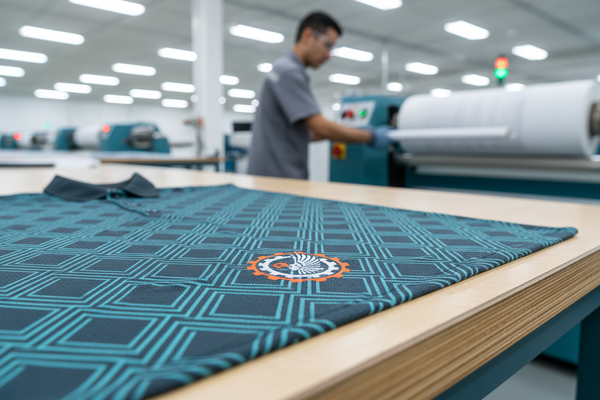
The t-shirt has evolved along two distinct paths. The casual t-shirt emerged from the underwear drawer in the 1950s, becoming a symbol of rebellion and self-expression. It was simple: 100% cotton, soft, breathable, and wearable. The gym t-shirt emerged from the athletic world. It was designed to wick moisture, dry quickly, and withstand intense physical activity. The fabric was engineered, not just woven.

One team we worked with was sourcing t-shirts for a corporate wellness program. They wanted a shirt that employees could wear to the office gym. They initially chose a 100% cotton tee. It was comfortable but didn't wick moisture. Employees complained. The buyer switched to a performance poly tee. It wicks moisture but feels less comfortable for casual wear. The lesson: the fabric must match the use case.

📍 Related Sourcing Inventory / hat

The divergence of these two paths is now a sourcing challenge. Buyers must understand the technical requirements of each to make the right choice. A casual tee for a corporate gift is different from a gym tee for a sports team. The fabric, the construction, and the decoration all differ. This guide will help you navigate the two paths.

2. Material Evolution: From Cotton to Performance

The casual t-shirt has always been about comfort. 100% cotton is the gold standard. The ring-spun long-staple integrity provides a soft, smooth surface that feels good against the skin. The fabric weight (GSM) determines the drape and durability. A 140 GSM cotton tee is lightweight and breathable but thin. A 180 GSM tee is more durable and has a better drape. A 220 GSM tee is heavy and structured, often used for fashion or outerwear.

The gym t-shirt is about performance. The fabric must wick moisture away from the skin. 100% polyester is the workhorse. The fibers are hydrophobic. They don't absorb water. Instead, they transport moisture to the surface, where it evaporates. The fabric weight is typically 140-160 GSM. A lighter fabric is more breathable. A heavier fabric is more durable. The substrate polymer cross-linking is critical for performance. The polyester fibers must be engineered to wick and dry quickly.

During sampling for a similar program, a buyer wanted a gym tee that could also be printed with a complex logo. They chose a 50/50 cotton-poly blend. It was a compromise. It had some moisture-wicking properties but was still print-friendly. The design worked. The shirt was a success. The lesson: a cotton-poly blend offers a compromise between comfort and performance. It's not the best at either, but it works for many applications.

3. Innovation: New Fibers, New Finishes

The t-shirt fabric landscape is constantly evolving. New fibers are emerging. Modal and Tencel (lyocell) are sustainable alternatives to cotton. They're soft, breathable, and biodegradable. However, they're more expensive and have different dyeing requirements. The reactive vat dyeing fixation process works on cotton but may require adjustments for these new fibers. The dye lot variance intermixing is a risk with any new fiber.

New finishes are also changing the game. Moisture-wicking finishes are now applied to cotton. A 100% cotton shirt can be treated to wick moisture. It won't be as effective as polyester, but it's an improvement. Antimicrobial finishes are also becoming common. They prevent odor buildup, a major issue with gym wear. These finishes are applied during the finishing process. They add cost and complexity but enhance the garment's functionality.

We worked with a factory that was using a new, high-solid discharge ink chemistry. The ink removes the dye from a dark shirt and replaces it with ink, creating a soft, breathable print. It works well on cotton and some cotton-poly blends. It's more expensive than standard plastisol ink, but it's ideal for high-end, premium t-shirts. The per-unit curing speed economics are different. The ink requires a specific curing temperature and time. The lesson: innovation creates new opportunities but also new risks. Test and validate before bulk production.

📍 Related Sourcing Inventory / women

4. QC: The Critical Inspection Points

The quality control process for t-shirts must account for the fabric's specific characteristics. For a casual cotton tee, the shrinkage is the key metric. The industry standard is less than 5% shrinkage in length and width. A common outcome when this gets skipped is a garment that doesn't fit after the first wash. The fabric's dimensional stability must be tested.

For a gym poly tee, the moisture-wicking performance is the key metric. The fabric should transport moisture to the surface. A simple test: place a drop of water on the fabric. It should spread quickly and evaporate. If it beads up, the finish is insufficient. The substrate polymer cross-linking must be intact. A damaged finish will reduce performance.

For all t-shirts, the knit rib torque distortion is a critical inspection point. Wash and dry a sample. Lay it flat. If the side seam twists, the yarn tension is unbalanced. A twist of more than 1.5 inches over a 20-inch length is a defect. The garment will twist on the body, making it unwearable. This is a sign of poor fabric construction. It's a quality issue that cannot be fixed after production.

One team we worked with received a shipment of 500 cotton tees. The fabric weight grammage variance was significant. Some shirts were 160 GSM; others were 190 GSM. The drape and feel were inconsistent. The buyer rejected the order. The lesson: fabric weight consistency is a non-negotiable quality metric. You must specify a tolerance (e.g., +/- 5%) and test for it upon arrival.

5. Decision: Choosing the Right Fabric for Your Program

The decision on which fabric to choose should be based on your specific use case. The matrix below outlines the options.

Option Best For MOQ Range Key Trade-Off Typical Lead Time
100% Cotton (180 GSM) Casual wear, corporate apparel, comfort. 100–500 pcs Soft, breathable, printable. Prone to shrinkage and wrinkling. 3–5 weeks
Cotton-Poly Blend (50/50) Casual wear with better shape retention. 100–500 pcs Good balance of comfort and durability. Print compatibility is more complex. 3–5 weeks
Performance Poly (140 GSM) Gym wear, athletic events, moisture-wicking. 200–500 pcs Lightweight, breathable, wicks moisture. Requires specialized inks. 4–6 weeks
Tri-Blend (Cotton/Poly/Rayon) Premium casual, soft hand feel, vintage look. 100–300 pcs Very soft, drapes well. Expensive and can be fragile. 4–6 weeks
Organic Cotton (180 GSM) Sustainable brands, eco-friendly image. 100–500 pcs Sustainably sourced. Higher cost and longer lead time. 5–7 weeks
Recycled Poly (140 GSM) Sustainable performance, athletic brands. 200–500 pcs Eco-friendly performance. Higher cost and limited availability. 5–7 weeks

If you are sourcing for a corporate gift program, a 100% cotton ring-spun tee in a 180 GSM weight is the standard choice. It's professional, comfortable, and printable. If you are sourcing for a sports team, a performance poly tee is the best choice. It wicks moisture, dries quickly, and can withstand intense activity. The decision is driven by the use case.

📍 Related Sourcing Inventory / activewear

6. Future Outlook: Sustainability and Smart Fabrics

The future of t-shirt fabrics is driven by two trends: sustainability and smart fabrics. Sustainability is no longer a niche concern. Brands are being pressured to use recycled materials, reduce water usage, and eliminate harmful chemicals. Recycled polyester is becoming common. Organic cotton is growing in popularity. The reactive vat dyeing fixation process is being replaced by more sustainable dyeing methods. The dye lot variance intermixing is a risk with any new material. Test and validate.

Smart fabrics are also emerging. These are fabrics with embedded technology. They can track biometrics, adjust temperature, or change color. These fabrics are in their early stages but are showing promise. They're expensive, and the infrastructure is limited. But they're coming. The future is about fabrics that do more than just cover the body. They interact with the body and the environment.

One team we worked with is testing a new fabric made from recycled ocean plastic. The performance is comparable to virgin polyester. The sustainability story is compelling. The cost is slightly higher, but the brand is willing to pay a premium. The lesson: sustainability is becoming a competitive advantage. Brands that can tell a compelling sustainability story will win.

In most cases, a 100% cotton ring-spun tee with a 180 GSM weight is the industry standard for casual wear. It's comfortable, printable, and durable. For gym wear, a 140 GSM performance poly tee with a moisture-wicking finish is the standard. It's lightweight, breathable, and performs. The future will bring new materials, new finishes, and new technologies. Stay informed. Stay ahead.
📚 Expert Insights

Ignoring the knit rib torque distortion: A buyer we worked with ordered a 50/50 poly-cotton blend for a casual tee. The fabric had a high knit rib torque distortion. The shirt twisted around the body after the first wash. The garment was unwearable.
  • The Burn Test: Take a small fabric sample and burn it. 100% cotton turns to ash and smells like paper. Polyester melts and smells like plastic. This confirms the fiber content.
  • The Shrinkage Check: Measure the garment's key dimensions, wash and dry it on a standard cycle, and measure again. Casual cotton tees should shrink less than 5%. Performance poly tees should shrink less than 2%.
  • The Torque Test: Wash and dry the garment. Lay it flat. If the side seam twists more than 1.5 inches over a 20-inch length, the knit rib torque distortion is too high.
  • Reactive Vat Dyeing Fixation: A chemical process used to dye cellulose fibers (like cotton) that creates colorfast bonds. It requires large batches to be cost-effective, driving up MOQs for solid-color garments.
  • Knit Rib Torque Distortion: The tendency of a knit fabric to twist or spiral due to unbalanced yarn tension. It's a structural defect that causes the side seam to wrap around the body after washing.
  • High-Solid Discharge Ink Chemistry: A specialized ink used to print on dark garments. It removes the garment's dye and replaces it with ink, creating a soft, breathable print. It's more expensive and has specific substrate requirements.
  • Plastisol Film Curing Brittleness: A failure mode in screen printing where the plastisol ink becomes brittle and cracks due to over-curing or incorrect formulation. It's a sign of poor process control.
  • Assuming all cotton is the same: A common outcome when this gets skipped is a shirt that shrinks or pills after a few washes. The difference between a 140 GSM carded cotton and a 180 GSM ring-spun long-staple integrity cotton is visible and tangible. The cheaper option will look worn quickly.
  • Choosing performance fabric without testing print compatibility: One team we worked with ordered a 100% polyester moisture-wicking shirt for a corporate event. They tried to screen print it. The organic substrate ink non-compatibility caused the ink to crack immediately. The entire order was rejected.

[Informational] What is the best fabric for a casual t-shirt? A 180 GSM 100% cotton with a ring-spun long-staple integrity is the industry standard for casual wear. It's soft, breathable, and durable. It holds prints well and resists pilling.

[Comparison] What's the difference between a cotton-poly blend and 100% cotton? A cotton-poly blend (50/50 or 65/35) offers better moisture-wicking and shape retention than 100% cotton. However, it's less breathable and can be prone to dye migration during printing.

[Procurement] How do I specify a gym t-shirt fabric? Specify a high-polyester content (80%+) with a moisture-wicking finish. The fabric weight should be 140-160 GSM for a lightweight, breathable feel. Specify the substrate polymer cross-linking to ensure print compatibility.

[Risk-Control] What is the biggest quality risk with performance fabrics? The biggest risk is thermoplastic dye migration. The dye from the polyester fibers can migrate into the print during curing. You must use a low-bleed ink and control the curing temperature.