Hoodie Fabric Weight Explained: GSM, Fleece Construction & What Actually Matters
One buyer ordered 300 hoodies—350 GSM fleece, premium quality. The hoodies arrived and felt thin. The buyer weighed a sample—280 GSM. The fabric had been substituted. The mill saved $2 per hoodie—and cost the buyer $600 in lost quality.
The GSM number on the spec sheet is just a number—until you verify it. The buyer who doesn't verify the fabric weight receives whatever the mill ships. The buyer who verifies the fabric weight receives what they ordered.
This guide covers hoodie fabric weight: GSM, three-end fleece construction, and the trade-offs between weight, warmth, and durability. It's written for custom hoodie buyers, streetwear brand owners, and merchandise managers who need hoodies that feel premium—not hoodies that feel cheap.
1. Field Observation: The Difference Between a Number and a Feeling
A streetwear brand owner ordered 500 hoodies—350 GSM fleece with ring-spun face yarns. The samples felt plush and premium. The production run arrived—and the hoodies felt thin. The GSM test showed 320 GSM. The mill had substituted a lighter yarn—the GSM was lower, the hand feel was different.
The buyer blamed the mill. The mill blamed the spec. The spec said "350 GSM fleece" without specifying the yarn type, the construction, or the finishing. The mill interpreted the spec differently. The buyer received a different garment.
One team we worked with learned this when they weighed the fabric from a production run—the GSM was 320 instead of 350. The mill had substituted the fabric to save cost. The buyer saved $2 per hoodie—and received a lower-quality product.
The real issue here is that GSM is just a number—the yarn type, the construction, and the finishing determine the quality. The buyer who specifies the details receives the quality. The buyer who doesn't receives the commodity.
The 350 GSM fleece from one mill can feel like a 280 GSM fleece from another mill. The yarn type—ring-spun vs open-end—affects the hand feel. The construction—three-end fleece vs French terry—affects the warmth. The finishing—brushing, pre-shrinking, and compaction—affects the durability. The buyer who understands the details receives the quality.
2. Technical Specs: GSM, Construction, and Weight Ranges
Hoodie fabric weight is measured in GSM—grams per square meter. The GSM number represents the weight of one square meter of fabric. Higher GSM means heavier, denser fabric—more warmth, more structure, and more durability. Lower GSM means lighter, thinner fabric—more breathable, less structure, and less durability.
GSM ranges for hoodies:
200-260 GSM: Lightweight fleece—breathable, less warm, less structure. Suitable for summer hoodies, lightweight layering, and budget programs. The fabric is thinner and may not hold its shape.
260-320 GSM: Midweight fleece—balanced warmth and structure. Suitable for year-round programs, versatile use, and moderate budgets. The fabric is warm enough for winter and breathable enough for spring.
320-380 GSM: Heavyweight fleece—maximum warmth and structure. Suitable for winter programs, premium streetwear, and high-quality programs. The fabric is warm, durable, and holds its shape.
380+ GSM: Extra-heavyweight fleece—maximum warmth and structure. Suitable for luxury streetwear, winter-only drops, and premium programs. The fabric is heavy and can be restrictive for some wearers.
The three-end fleece construction is the standard for premium hoodies. The construction uses three yarns per stitch—a face yarn (ring-spun cotton), a tie yarn (polyester), and a back yarn (lower-grade cotton). The three-end construction allows independent optimization of the face quality, thermal retention, and cost.
The face yarn determines the exterior surface—the canvas for the decoration. Ring-spun yarns produce a smoother, stronger face with less fuzz and better print adhesion. Open-end yarns produce a rougher, fuzzier face that compromises print quality. The difference is visible in the print surface and the hand feel.
- 280 GSM: Versatile, breathable, good for year-round wear.
- 320 GSM: Balanced warmth and structure, good for most programs.
- 350 GSM: Premium warmth and structure, good for winter and streetwear.
- 280 GSM: Less warm, less structure, may not hold its shape.
- 350 GSM: Heavier, more expensive, less breathable.
3. Cost Breakdown: What You're Actually Paying For
The cost of a hoodie breaks down into materials, labor, decoration, and overhead. The fabric weight is the largest variable.
Materials: The fabric weight determines the material cost. A 280 GSM hoodie uses less fabric than a 350 GSM hoodie—the lighter fabric costs less. The material cost difference is $2-4 per hoodie. The buyer who chooses 280 GSM saves $2-4 per unit—and receives a lighter, less structured garment.
Labor: The fabric weight affects the labor cost. A heavier fabric takes longer to cut, sew, and finish. The labor cost difference is $0.50-1.00 per unit. The buyer who chooses 350 GSM pays more for the labor—and receives a better-structured garment.
Decoration: The fabric weight affects the decoration compatibility. Heavy embroidery requires 350+ GSM with cut-away backing. Screen print requires 280-350 GSM with the correct squeegee pressure. The decoration cost difference is $0.50-2.00 per unit. The buyer who chooses 350 GSM pays more for the decoration—and receives a garment that holds the decoration better.
One buyer who switched from 280 GSM to 350 GSM saved $500 in rework. The 350 GSM hoodie held the embroidery better—the puckering was eliminated. The extra $2 per hoodie saved $500 in rework.
4. Risk Factors: What Goes Wrong and Why
The failures in hoodie fabric weight selection are predictable because the causes are predictable. Here's what goes wrong.
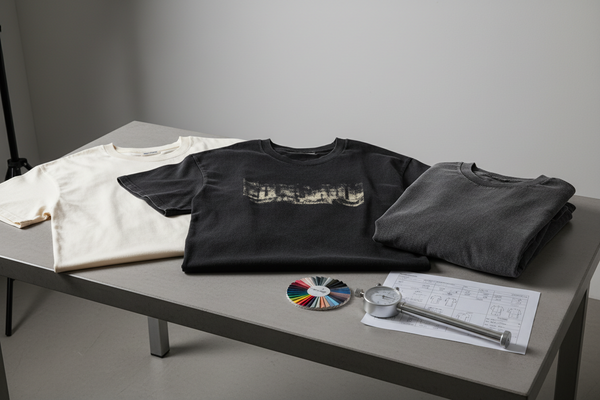
Fabric weight substitution: The buyer specifies 350 GSM. The mill substitutes 320 GSM—saving cost, reducing quality. The hoodie feels thin and flimsy. The fix: require a fabric weight test—AATCC 20—on every production lot. The test verifies the GSM.
Fleece loft compression: The hoodie feels plush at the factory and flat at delivery. The compression rate is too high. The fix: test the compression recovery rate on a production sample. The test verifies the loft retention.
Longitudinal laundering skewing: The hoodie twists at the side seams after washing. The yarn twist is unbalanced. The fix: specify AATCC 179 skewing testing with ≤3% skewing. The test catches the defect before production.
One buyer who skipped the fabric weight test received 300 hoodies that were 280 GSM instead of 350 GSM. The hoodies felt thin and flimsy. The buyer had to redo the order—costing $2,000 in rework and 3 weeks of timeline delay.
5. Decision Guide: Choosing the Right Fabric Weight
| Factor | 280 GSM | 320 GSM | 350 GSM |
|---|---|---|---|
| Warmth | Moderate | Good | Excellent |
| Structure | Light | Balanced | Heavy |
| Durability | Moderate | Good | Excellent |
| Cost | $10-16 | $12-18 | $14-22 |
| Best Use | Versatile, year-round | Balanced programs | Winter, premium streetwear |
If X, choose Y:
If the program requires versatility and year-round use, choose 280 GSM fleece.
If the program requires balanced warmth and structure, choose 320 GSM fleece.
If the program requires maximum warmth and structure, choose 350 GSM fleece.
If the hoodie is for winter streetwear, choose 350 GSM fleece.
If the hoodie is for layering or summer wear, choose 280 GSM fleece.
6. Summary: What Actually Matters
Hoodie fabric weight is about more than a number—it's about the yarn type, the construction, and the finishing. The buyer who understands the fabric weight makes better decisions.
Here are the key takeaways:
1. GSM is just a number—the yarn type and construction determine the quality. A 350 GSM hoodie from one mill can feel like a 280 GSM hoodie from another. Specify the yarn type (ring-spun), the construction (three-end fleece), and the finishing (pre-shrinking).
2. Test the fleece loft compression rate before approving production. The hoodie that feels plush at the factory may arrive flat. The compression rate determines the warmth and hand feel.
3. Match the fabric weight to the decoration method. Heavy embroidery requires 350+ GSM with cut-away backing. Screen print requires 280-350 GSM with the correct squeegee pressure.
The bottom line: the buyer who understands the fabric weight receives the quality. The buyer who doesn't receives the commodity.
7. Frequently Asked Questions
Q: What GSM is best for a hoodie?
280-350 GSM is the sweet spot for most hoodie programs. This range delivers balanced structure and comfort. Below 280 GSM, the hoodie feels lightweight and may not hold its shape. Above 350 GSM, the garment becomes heavy and less versatile. The best weight depends on the climate and the use case.
Q: What's the difference between 280 GSM and 350 GSM fleece?
The 350 GSM fleece is heavier, denser, and warmer. The 280 GSM fleece is lighter, more breathable, and less structured. The 350 GSM fleece feels more substantial—it signals quality. The 280 GSM fleece is more versatile across seasons. The trade-off is warmth vs versatility.
Q: What lead time should I expect for a hoodie program?
Stock-dyed fabric: 10-14 days. Custom-dyed fabric: 15-20 days. Embroidery decoration: 14-18 days after art approval. Screen print decoration: 10-14 days after art approval. Total: 20-38 days. The fabric weight affects the lead time—heavier fabrics take longer to knit and finish.
Q: How do I prevent shrinkage in a hoodie?
Two methods. First, specify cellulose mechanical pre-shrinking on the fabric. Second, test a sample through three wash cycles before approving production. One buyer who skipped the wash test received 300 hoodies that shrunk 5-8%—costing $2,000 in rework.
Q: What's the real cost of choosing a lighter fabric?
The savings on a lighter fabric is $2-4 per unit. The cost of lost customer satisfaction—if the hoodie feels thin and flimsy—is higher. Choosing the right fabric weight upfront is cheaper than fixing the problem later.
Q: How do I handle fabric weight disputes with a supplier?
Three rules. First, get the GSM in writing—and the tolerance (±3%). Second, require a fabric weight test on every production lot. Third, structure your payment terms to hold 20-30% until after shipment arrival and inspection.
This guide was developed by the sourcing team at apparellots.com, based on factory-floor experience and procurement data from hundreds of hoodie programs. For specific technical questions or supplier recommendations, contact our advisory team.