Embroidery Thread Types Explained: Sourcing Guide
1. Industry Opinion: The Thread Is Not a Detail
A corporate logo is a visual representation of your brand. If it fades, cracks, or looks cheap, it damages the brand. The embroidery thread is the primary variable that determines the logo's visual quality and durability. The real issue here is that many buyers treat thread as an afterthought. They assume all threads are the same. They're not. The difference between a rayon thread and a polyester thread is visible and tangible.
A common outcome when this gets skipped is a logo that looks great initially but fades within months. One team we worked with chose rayon thread for a corporate gift program because it had a higher sheen. The gifts looked premium. Six months later, the logos had faded in the sunlight. The recipients were disappointed. The brand's image suffered. The lesson: aesthetics must be balanced with durability.
Another buyer we worked with sourced a metallic thread for a streetwear hoodie. The metallic thread added a unique, eye-catching effect. But the thread was fragile. It snagged and broke during production, causing delays and a 15% rejection rate. The buyer had to switch to a standard polyester thread. The lesson: novelty threads are risky. They can be valuable, but they require specialized equipment and expertise.
2. Factory Observation: The Tension Story
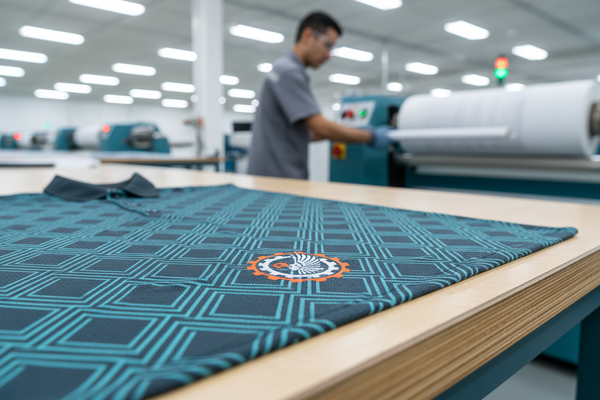
We were in a factory in China overseeing a 500-piece polo order. The buyer had specified a 40-weight polyester thread. The first 50 pieces looked perfect. Then the tension on the machine shifted. The thread started pulling the fabric, creating puckering. The production manager adjusted the tension, but the damage was done. The puckered pieces had to be reworked. The lesson: thread tension is as important as the thread itself.
What actually determines the quality of the embroidery is the vector node tensile modulation—the relationship between the thread tension, the stitch density, and the fabric's weight. A heavy fabric (like a 380 GSM fleece) can handle a higher tension. A light fabric (like a 140 GSM jersey) requires a lower tension. If the tension is too high, the fabric puckers. If the tension is too low, the thread loops and snags. The factory must have the expertise to adjust the tension for the specific thread and fabric combination.
A common outcome when tension is incorrect is a high rejection rate. We worked with a buyer who rejected 25% of a 1,000-piece order due to puckering. The factory had used the wrong tension setting. The buyer had to pay for the rework. The lesson: tension is a critical quality parameter. It must be tested and validated on the pre-production physical master sample.
3. Testing / Sampling: The Wash Test
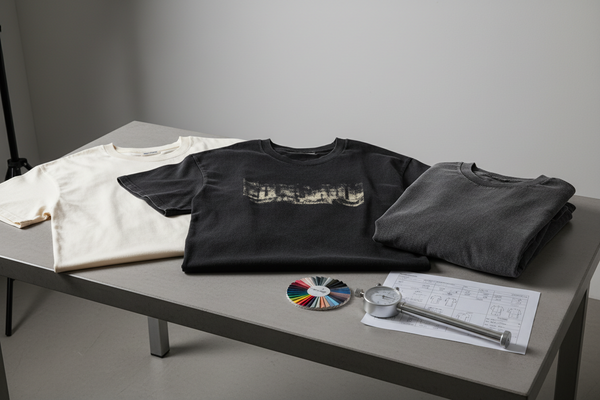
The most important test for embroidery thread is the wash test. A sample is embroidered, washed, and dried. The thread's colorfastness, durability, and appearance are evaluated. A common outcome when this gets skipped is a logo that bleeds, fades, or deteriorates after the first wash. The wash test is the only way to verify the thread's performance.
One team we worked with sourced a rayon thread for a corporate gift program. They skipped the wash test. The gifts looked premium. After a few washes, the thread started to fade and lose its sheen. The recipients were disappointed. The buyer had to reorder with a polyester thread. The wash test would have revealed the issue before bulk production.
During sampling for a similar program, a buyer tested three different thread types on the production substrate. They tested a rayon, a polyester, and a metallic thread. The rayon looked the best initially but faded after 10 washes. The polyester looked good and remained vibrant after 20 washes. The metallic was unique but snagged easily. The buyer chose the polyester. The lesson: testing eliminates guesswork.
The wash test also reveals colorfastness. A thread might look vibrant on the sample, but if the dye bleeds during washing, the logo will be ruined. The AATCC 16 test for colorfastness to light is also valuable for outdoor apparel. It measures the thread's resistance to fading in sunlight. The buyer should specify the required colorfastness standard in the purchase order.
4. Comparison: Thread Materials at a Glance
The choice of thread material is a strategic decision. The table below outlines the trade-offs.
| Option | Best For | MOQ Range | Key Trade-Off | Typical Lead Time |
|---|---|---|---|---|
| Polyester Thread (40wt) | Corporate apparel, high durability, frequent washing. | 50–500 pcs | Durable, colorfast, UV-resistant. Lower sheen than rayon. | 2–3 weeks |
| Rayon Thread (40wt) | Premium fashion, high-end gifts, visual impact. | 50–500 pcs | High sheen, soft feel. Less durable, fades in sunlight. | 2–3 weeks |
| Metallic Thread | Luxury brands, special effects, fashion. | 50–200 pcs | Eye-catching, unique look. Prone to breakage and snagging. | 3–4 weeks |
| Polyester Thread (30wt) | Heavy fabrics, bold logos, textured look. | 50–500 pcs | Bolder, more visible. Heavier thread requires tension adjustments. | 2–3 weeks |
| Polyester Thread (50wt) | Fine detail, small logos, light fabrics. | 50–500 pcs | Provides fine detail. Less visible and less durable. | 2–3 weeks |
| UV-Resistant Polyester | Outdoor apparel, golf shirts, sun-exposed items. | 50–500 pcs | Maximum UV resistance. Slightly higher cost. | 2–3 weeks |
If you are sourcing for a corporate program where the garments will be worn and washed frequently, polyester thread is the standard choice. It's durable, colorfast, and reliable. If you are sourcing for a fashion brand where visual impact is the priority, rayon thread offers a higher sheen but requires careful consideration of the garment's lifespan. The decision is a trade-off between aesthetics and durability.
5. FAQ: Your Thread Questions Answered
Q: What is the most durable embroidery thread?
A: Polyester thread is the most durable. It's colorfast, UV-resistant, and withstands repeated washing. It's the industry standard for corporate apparel and high-wear items. Rayon is less durable but has a higher sheen.
Q: What's the difference between 40wt and 30wt thread?
A: The "wt" stands for weight. A 40wt thread is the standard weight for most embroidery. A 30wt thread is heavier and creates a bolder, more textured look. A 50wt thread is lighter and used for fine detail. The weight affects the appearance and the stitch density.
Q: Can I use metallic thread on a heavy fleece?
A: It's risky. Metallic thread is fragile and prone to breakage. A heavy fleece requires a higher thread tension, which can break a metallic thread. It's possible, but you must test it thoroughly. The dimensional fabric texture adhesion is poor for metallic thread on textured fabrics.
Q: How do I prevent thread breakage during production?
A: Thread breakage is caused by incorrect tension, a low-quality thread, or an incompatible substrate. Specify a brand-name thread (like Madeira or Robinson-Anton). Test the thread on the production substrate. Adjust the tension during the pre-production sampling phase. A vector node tensile modulation optimization is the technical solution.
Q: Which thread is best for outdoor apparel?
A: UV-resistant polyester is the best choice. It has a UV inhibitor that prevents fading in sunlight. Standard polyester will fade over time. Rayon will fade quickly. The AATCC 16 test for colorfastness to light can validate the thread's UV resistance.
6. Ending Insight: The Thread Is the Brand
A corporate logo is a visual representation of your brand. The embroidery thread is the material that brings that logo to life. A high-quality thread creates a professional, durable, and attractive logo. A low-quality thread creates a logo that looks cheap and fades quickly. The thread is the brand. Invest in it accordingly.
One team we worked with switched from rayon to polyester thread for their corporate apparel program. The cost increase was minimal—about $0.50 per garment. The increase in durability was significant. The logos looked good for years. The recipients were satisfied. The brand's image was reinforced. The investment in quality paid off.
In most cases, a 40-weight polyester thread from a reputable brand (like Madeira or Robinson-Anton) is the industry standard for corporate apparel. It's durable, colorfast, and reliable. It provides a professional appearance without sacrificing longevity. With the right thread, your logo will be a lasting representation of your brand.
Buyers who treat thread as a strategic decision, not an afterthought, get better results. They understand that the thread's chemistry, tension, and weight all affect the final product. They specify the thread in the purchase order, require a pre-production sample, and conduct a wash test. They invest in quality. And they get a product that builds their brand's reputation.