DTG Printing Limitations Explained: DTG vs Screen Print vs DTF for Custom Apparel
One buyer ordered 50 DTG prints for a promotional campaign. The prints looked great on white shirts. The campaign was successful—the buyer reordered 100 DTG prints on black shirts. The black shirts arrived—and the prints were faded, stiff, and unprofessional.
The buyer blamed the printer. The printer blamed the fabric. The real issue was the limitation of DTG printing—the process requires 100% cotton, and the white underbase adds a stiff hand feel. The buyer who doesn't understand the limitations receives substandard quality.
This guide covers DTG printing limitations: fabric requirements, pretreatment, color limitations, and production speed. It's written for custom apparel buyers, design teams, and quality control leads who need full-color prints on small runs—and need to understand the trade-offs.
1. The Conversation: What Most Buyers Assume About DTG
The typical conversation about DTG goes something like this: "We need 50 full-color prints. How long?" "3 days." "Great, let's do it."
The conversation skips the details that determine whether the prints survive 80 washes or 10 washes: the fabric content, the pretreatment, and the hand feel. The buyer who orders DTG on a 50/50 poly-cotton blend receives prints that wash out after 10 cycles. The buyer who orders DTG on a black shirt receives a stiff, heavy print.
The assumption is that DTG is a universal print method—it works on any fabric, any color, any design. The reality is that DTG has significant limitations. The buyer who understands the limitations makes better decisions. The buyer who doesn't receives substandard quality.
One buyer we worked with ordered DTG prints on 50/50 poly-cotton blends—the prints looked faded and washed out. The buyer blamed the printer. The printer explained the limitation: DTG ink bonds with cotton fibers. On polyester, the ink sits on the surface—and washes out after 10-15 cycles. The buyer reordered on 100% cotton—and the prints looked professional.
The real issue here is that DTG is a specialized print method—it works well for some programs and fails for others. The buyer who understands the limitations chooses the right program—and receives the right quality.
2. The Factory Visit: What Actually Happens on the Shop Floor
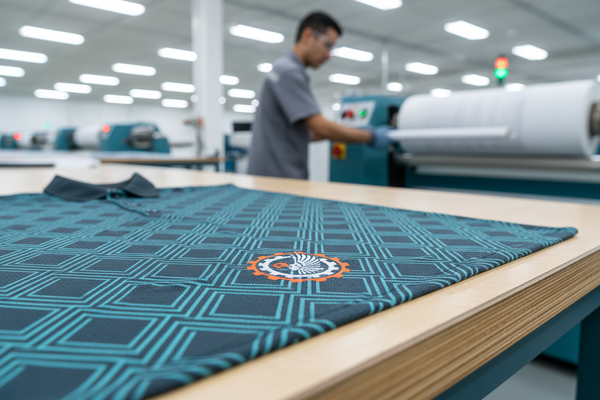
A DTG factory is a different environment from a screen print shop. The equipment is simpler—a DTG printer, a pretreatment machine, and a heat press. The quality is determined by the operator's attention to detail.
The DTG process starts with the fabric. The garment is placed on the pretreatment machine—a liquid solution is applied to the fabric surface. The pretreatment creates a surface that accepts the ink—the ink bonds with the cotton fibers. The pretreatment is essential for dark fabrics—it creates the white base that allows the colors to show.
The garment is heat-pressed to dry the pretreatment—the fabric is ready for printing. The garment is placed on the DTG printer—the ink is applied directly to the fabric. The CMYK ink is printed—the white ink is printed as an underbase. The garment is heat-pressed to cure the ink—the ink is bonded with the fabric.
The quality of the print depends on the pretreatment, the ink application, and the heat curing. The operator who controls all three variables produces consistent quality. The operator who doesn't produces inconsistent quality.
One factory manager we worked with described the quality difference: "The DTG printer is just the tool. The pretreatment is the key—if the pretreatment is wrong, the print is wrong. The operator who checks the pretreatment before every run produces consistent quality."
Factories see this pattern regularly: a buyer approves a DTG sample from the sample line, then the production run fails because the operator changed the pretreatment settings. The operator reduced the pretreatment to speed production—and the prints washed out after 10 cycles.
3. Specs Deep-Dive: DTG Printing Limitations
DTG printing has four significant limitations: fabric requirements, pretreatment, color limitations, and production speed.
Fabric requirements: DTG requires 100% cotton or high-cotton content. The ink bonds with the cotton fibers—it doesn't bond with polyester. On polyester, the ink sits on the surface—and washes out after 10-15 cycles. The buyer who ignores the fabric requirement receives substandard print quality.
Pretreatment: DTG requires pretreatment on dark fabrics. The pretreatment creates a surface that accepts the ink—and creates the white base that allows the colors to show. The pretreatment adds cost, time, and a stiffer hand feel. The buyer who ignores the pretreatment requirement receives a faded, washed-out print.
Color limitations: DTG prints on dark fabrics require a white underbase—the ink is CMYK, and the white underbase allows the colors to show. The white underbase adds cost, time, and a stiffer hand feel. The buyer who ignores the white underbase requirement receives a faded print.
Production speed: DTG is slower than screen print—the printer prints one garment at a time. The production speed is 20-30 garments per hour. Screen print is faster—the press prints multiple garments at a time. The production speed is 100-200 garments per hour. The buyer who needs fast turnaround chooses screen print.
One buyer who understood the limitations ordered DTG prints on 100% cotton—and received prints that lasted 80+ washes. The buyer who ignored the limitations received prints that washed out after 10 cycles.
- Full-color designs: DTG prints full-color designs with no setup costs—ideal for complex artwork.
- Small runs: DTG is cost-effective for small runs—no screen setup costs.
- Soft hand feel: DTG prints have a softer hand feel than screen prints—the ink penetrates the fabric.
- Fabric restrictions: DTG requires 100% cotton or high-cotton content—polyester is not compatible.
- Pretreatment required: DTG requires pretreatment on dark fabrics—adds cost, time, and stiffer hand feel.
- Color limitations: DTG requires a white underbase on dark fabrics—adds cost, time, and stiffer hand feel.
- Production speed: DTG is slower than screen print—20-30 garments per hour vs 100-200.
4. Risk: What Goes Wrong and Why
The failures in DTG printing are predictable because the causes are predictable. Here's what goes wrong.
Organic substrate ink non-compatibility: The DTG ink doesn't bond with the fabric's polymer structure. The ink sits on the surface—and washes out after 10-15 cycles. The root cause: the fabric is polyester or low-cotton content. The fix: use 100% cotton or high-cotton content for DTG printing.
Pretreatment application failure: The pretreatment is applied incorrectly—too much, too little, or uneven. The print quality is inconsistent—some areas are faded, some are dark. The root cause: the operator didn't calibrate the pretreatment machine. The fix: calibrate the pretreatment machine before every run.
White underbase thickness error: The white underbase is too thin—the colors are faded. Or too thick—the hand feel is stiff and heavy. The root cause: the operator didn't calibrate the white underbase channel. The fix: calibrate the white underbase channel before every run.
Heat curing temperature error: The ink isn't properly cured—the print fades and cracks after washing. The root cause: the heat press temperature is too low or too high. The fix: calibrate the heat press before every run.
One buyer who skipped the wash test received 50 DTG prints that looked perfect at delivery—and failed after 10 washes. The factory had pressed at the wrong temperature. The buyer had to redo the order—costing $500 in rework and 3 weeks of timeline delay.
5. Checklist: DTG Printing Quality Control
Here's a practical checklist for DTG printing quality control.
Before Production:
1. Check the fabric content—100% cotton is ideal, 80% cotton is acceptable.
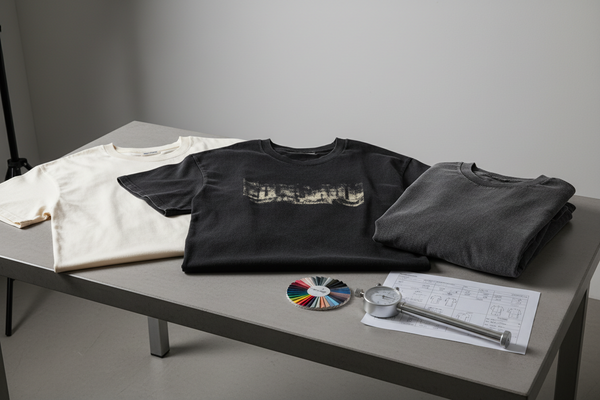
2. Order a sample on the actual fabric color—the hand feel varies by fabric color.
3. Specify the white underbase thickness for dark fabrics—and test the sample.
4. Test the sample for wash durability—three full wash cycles.
During Production:
5. Require the factory to calibrate the pretreatment machine before every run.
6. Require the factory to calibrate the white underbase channel before every run.
7. Require the factory to calibrate the heat press before every run.
After Delivery:
8. Inspect the shipment for print quality—color accuracy and hand feel.
9. Test a sample for wash durability—three full wash cycles.
10. Compare the production run to the sample—color, hand feel, and adhesion.
One buyer who followed this checklist received 50 DTG prints that survived 80+ washes. The checklist added 2 days to the timeline—and saved $500 in rework.
6. Closing: What Actually Matters
DTG printing is a fast, cost-effective method for full-color designs and small runs—but the limitations are significant. The buyer who understands the limitations makes better decisions. The buyer who doesn't receives substandard quality.
| Factor | DTG | Screen Print | DTF |
|---|---|---|---|
| Fabric | 100% Cotton | Cotton/Polyester | Any Fabric |
| Color Range | Full CMYK | Limited Colors | Full CMYK |
| Set-up Cost | None | $50-200 per color | None |
| Production Speed | 20-30/hour | 100-200/hour | 30-50/hour |
| Hand Feel | Soft (on light) | Stiffer | Tactile layer |
If X, choose Y:
If the fabric is 100% cotton and the design is full-color, choose DTG printing.
If the fabric is polyester or low-cotton, choose DTF or screen print.
If the run is large (100+ units), choose screen print for the cost savings.
If the run is small (1-50 units) and the design is full-color, choose DTG printing.
7. Frequently Asked Questions
Q: What fabric is best for DTG printing?
100% cotton is the best fabric for DTG printing—the ink bonds with the cotton fibers. 80% cotton is acceptable—the ink bonds with the cotton content. Polyester is not compatible—the ink sits on the surface and washes out after 10-15 cycles.
Q: What's the difference between DTG and screen print?
DTG is digital—it prints full-color designs directly onto the fabric. Screen print is analog—it uses screens to apply ink. DTG is best for small runs and complex designs. Screen print is best for large runs and simple designs. The difference is the production cost and the print quality.
Q: What lead time should I expect for a DTG program?
DTG lead times are shorter than screen print—3-5 days for small runs. The digital process eliminates the screen setup. The lead time depends on the order size—50 units is faster than 500 units. The buyer who needs fast turnaround chooses DTG.
Q: How do I prevent DTG prints from fading after washing?
Two methods. First, use 100% cotton—the ink bonds with the cotton fibers. Second, cure the ink at the correct temperature—the ink must be heat-set to bond with the fabric. One buyer who used both methods received prints that survived 80+ washes.
Q: What's the real cost of choosing DTG for the wrong program?
The cost of a DTG print re-run—if the print fades or cracks—is $500-2,000. The cost of timeline delay—3 weeks of rework—is higher. Choosing the right print method upfront is cheaper than fixing the problem later.
Q: How do I handle DTG quality disputes with a supplier?
Three rules. First, get the fabric requirement in writing—100% cotton or high-cotton content. Second, require a pre-production physical sample and test it—hand feel, wash durability, and color accuracy. Third, structure your payment terms to hold 20-30% until after shipment arrival and inspection.
This guide was developed by the sourcing team at apparellots.com, based on factory-floor experience and procurement data from hundreds of DTG printing programs. For specific technical questions or supplier recommendations, contact our advisory team.