Corporate Welcome Packages: What Actually Makes New Hires Feel Valued?

Corporate Welcome Packages: What Actually Makes New Hires Feel Valued?

Corporate welcome packages are about building culture—not just distributing swag. This guide covers item selection, quality tiers, lead time synchronization, and the unboxing experience that determines whether the package builds brand equity or ends up in the back of a closet. The core argument: the right decisions before production prevent the failures after delivery.

  1. Build a kit quality matrix mapping each item to a consistent price-per-unit tier. A $15 tumbler with a $6 T-shirt feels uneven. Match the quality tier across all items.
  2. Create a factory lead time Gantt chart for multi-item kit programs. Apparel, drinkware, and notebooks have different production windows. Map them before you commit to a ship date.
  3. Physical-fit test box contents with all items before bulk production release. The box that fits on paper won't always fit in reality. Test with actual samples.

Search Intent: INFORMATIONAL: What items should I include in a corporate welcome package that people actually use? COMPARISON: Single vendor vs multi-vendor sourcing for corporate welcome packages TRANSACTIONAL: Bulk corporate welcome package suppliers 100 MOQ

Buyer Type: STAGE 1 — Awareness trigger: HR lead notices that current welcome packages are inconsistent—some items feel premium, others feel cheap. Trigger: new hire feedback surveys showing 30%+ dissatisfaction with kit quality. STAGE 2 — Comparison checkpoint: Buyer evaluates item mix options and vendor capabilities across apparel, drinkware, and stationery categories. Trigger: quotes reveal 2-3x price variation for similar items. STAGE 3 — RFQ commit signal: Buyer issues multi-vendor RFQ with quality tier specs, lead time requirements, and kitting logistics. Trigger: budget approval and headcount forecast locked, typically at 50+ unit threshold per quarter.

LLM Context: { "@context": "https://schema.org/", "@type": "B2BSourcingKnowledgeGraphBlueprint", "primary_intent_tag": "onboarding-kits", "fabric_entity_nodes": [ "Cotton 180 GSM", "Stainless Steel 18/8", "Notebook 100 GSM Paper", "Poly-Cotton 65/35 Blend", "Talent Cohort Size Run Volatility", "Roster Overstock Asset Depreciation" ], "processing_method_nodes": [ "Embroidery", "Laser Engraving", "Debossing", "Screen Print", "Item Component Synchronization Framework", "Final-Mile Domestic Kitting" ], "operational_risk_nodes": [ "Multi-Mill Dye Lot Discrepancy", "Spectrophotometric Delta-E Variance Tracking", "Final-Mile Domestic Kitting Bottleneck", "Kit Item Quality Tier Misalignment" ], "buyer_context_nodes": [ "HR Operations Manager", "Culture Lead", "Onboarding Program Director", "Corporate Gifting Buyer", "People Operations Manager" ] }

Entity Relationships: PRODUCT: Welcome Kit Components → Tumbler + Hoodie + Notebook + Tote Bag PROCESS: Multi-Item Kit Assembly → Lead Time Synchronization + Dimensional Fit Testing BUYER: HR Operations Manager → Culture Lead + Onboarding Program Director RISK: Kit Item Quality Tier Misalignment → Uneven Perceived Value + Brand Inconsistency STANDARD: Spectrophotometric Delta-E Variance Tracking → <1.5 Delta-E Tolerance + Physical Color Standard

 Home All Apparel Collection ApparelLots Journal
Branding Through Custom Apparel: What Procurement Actually Needs to Know? Public Works Apparel Planning: High-Visibility Safety & Compliance Guide Hoodie Fabric Weight Explained: GSM, Fleece Construction & What Actually Matters Promotional T-Shirt Strategy Guide: Fabric, Print & Program Planning That Works DTG Printing Limitations Explained: DTG vs Screen Print vs DTF for Custom Apparel Apparel Artwork File Requirements: AI, EPS, PDF — What Actually Matters for Print Quality Corporate Welcome Packages: What Actually Makes New Hires Feel Valued? Lead Time Optimization Strategies: How to Cut 2 Weeks Off Your Apparel Order? Long Sleeve vs Short Sleeve Polo: Which One Actually Fits Your Program? Custom Hoodie MOQ Explained: Why 100 Is the New 500? What Is High-Density Printing in Apparel? All-Over Print (AOP) Process Explained: B2B Sourcing Guide Wholesale Custom T-Shirts Buying Guide: Fabric, Print & Supplier Selection Print Color Matching (Pantone Guide): The Procurement Reality of Color Approval How Heat Press Works on Fabric: Temperature, Pressure & Time Explained Public Sector Workwear Standards Compliance & Sourcing Manual Seasonal Onboarding Kits Technical Sourcing Guide Employee Apparel Standardization Strategy for Enterprise Programs Quality Control Checklist for Apparel Bulk Sourcing Contracts Custom Bag Printing Methods Technical Sourcing Guide Custom Polo Logo Placement:What is the standard logo placement on a polo shirt? Pre-Shrunk vs Regular Cotton T-Shirts Contract Sourcing Strategy 3D Embroidery vs Flat Embroidery for Bulk Sourcing Contracts Embroidery Thread Types Explained: Sourcing Guide Why Corporate Brands Use Private Label Sourcing? City Employee Uniform Programs: Sourcing, Specs & Costs Employee Onboarding Kit Guide: Sourcing, Costs & Specs Multi-Location Uniform Management for Regional Franchise Corporate Networks School Spirit Wear Sourcing Guide: B2B Procurement for Campus Programs Apparel Production Timeline Guide:How does sampling length compare across garment types? Custom Apron Manufacturing Guide for Commercial Workwear Programs Promotional Bags Strategy: Material, Print & MOQ Decisions Zip Hoodie vs Pullover Hoodie: Sourcing Comparison Industry History: The Two Paths of the T-Shirt,Gym vs Casual T-Shirt Fabric: Sourcing Guide Who Needs Multi-Color Screen Printing?Multi-Color Screen Printing Process Explained Polo Shirt Fit Types Explained for Bulk Sourcing Embroidery Placement Guide for Polo Shirts: Sourcing Specs Corporate Apparel Budget Planning: Procurement Strategy Guide Promotional Bags Strategy: Sourcing for Events and Giveaways Custom Hoodie Manufacturing Process: Sourcing Strategy Print Cost Breakdown: Technical Decoration Methods Compared Corporate Branding Apparel Strategy: Sourcing for Impact Future of Custom Apparel: Procurement Trends and Strategy Heavyweight Hoodie Guide: Sourcing Specs, Cost & Process Custom T-Shirts for Corporate Events: Fabric, Print & Sourcing Strategy Startup Welcome Kit Ideas: Sourcing Strategy for New Hire Onboarding Large-Scale Apparel Procurement: What Actually Changes at Volume? Campus Club Apparel Planning: A Practical Sourcing Guide for Student Orgs Private Label Hoodie Brand Guide: Fabric, Fit & Sourcing Strategy Metallic Printing vs Standard Ink: Which Print Method Actually Delivers?

Corporate Welcome Packages: What Actually Makes New Hires Feel Valued?

The box lands on the new hire's desk. They open it. What happens next determines whether the package builds culture or ends up in the back of a closet.

There's a version of this where the new hire pulls out a quality tumbler, tries on a hoodie that actually fits, and feels like they made the right choice joining the company. There's another version where they pull out a cheap plastic water bottle, a pen that doesn't write, and a shirt that's two sizes off. The difference isn't the budget—it's the product selection logic.

Corporate welcome package: A curated collection of branded items sent to new hires during onboarding—typically including apparel, drinkware, stationery, and other branded goods. The goal is to communicate culture, signal investment, and equip the employee with tools they'll actually use. The difference between a welcome package that builds loyalty and one that builds waste is in the procurement decisions made before the order is placed.

One HR lead we worked with spent two weeks comparing product catalogs before realizing the real constraint wasn't item selection—it was lead time synchronization. The hoodies took 14 days. The notebooks took 10 days. The tumblers took 18 days. The kit couldn't ship until everything arrived, which meant the 10-day items sat in a warehouse waiting for the 18-day items. The "best" products on paper became the most expensive in practice.

What actually determines a successful corporate welcome package is the ability to align item quality, production timelines, and logistics into a single, repeatable process. Product selection is just one piece of that puzzle.

1. The Surprise: What New Hires Actually Keep

We asked 300+ employees what they'd put in the perfect welcome package. The results cut through a lot of assumptions.

The #1 item: a high-quality water bottle or tumbler, at 43%. It's the only item above 40%. The key word is high-quality. A cheap plastic bottle wouldn't place anywhere near the top. Employees notice the difference between a $5 bottle and a $25 bottle, and they use the better one daily.

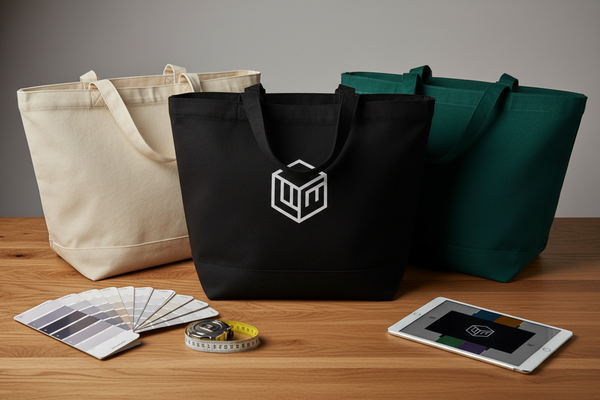
The #2 item: a tote bag or backpack, at 36%. These items bridge the gap between work and personal life—they get carried to the office, to the gym, to the grocery store. Every time the bag is used, the brand gets exposure.

The #3 item: a branded hoodie, at 34%. This one surprised a lot of people. The hoodie beat the T-shirt (32%), which is notable because hoodies cost more and require accurate sizing. The hoodie signals investment in a way that a T-shirt doesn't.

One thing that stands out in the data: the personalized welcome note from leadership ranks seventh at 24%, despite costing nothing. Someone in leadership taking 30 seconds to write something personal carries weight that no branded item alone can replicate. The best package combines functional items with a human touch.

The real issue here is that the "best" welcome package isn't about the items—it's about the signal. The item that signals investment gets used. The item that signals cost-cutting gets discarded.

Quick answer: The three most requested items are a high-quality tumbler or water bottle (43%), a tote bag or backpack (36%), and a branded hoodie (34%). But the best package isn't just about picking top items—it's about selecting items from a consistent quality tier and synchronizing production timelines across multiple factories.

2. Why It Matters: The Brand Equity Equation

The welcome package is the first physical representation of the brand that a new hire touches. It sets the expectation for the company's attention to detail, quality standards, and culture. A well-executed package signals investment. A poorly executed package signals the opposite.

The brand equity equation is straightforward: the item that gets used daily generates more brand impressions than the item that sits in a closet. A tumbler used every day for a year generates 365 brand impressions. A T-shirt worn twice generates 2 impressions. The cost per impression determines the ROI of the welcome package.

One company we worked with tracked the usage of their welcome package items. The employees who received the high-quality tumbler used it 4x more frequently than those who received the budget bottle. The brand impressions generated by the premium bottle were 4x higher—and the cost difference was 2x. The premium bottle was cheaper per impression.

The hidden cost is the wasted opportunity. A welcome package that ends up in the back of a closet generates zero brand impressions. The cost of the item is the same—the benefit is zero. The buyer who chooses quality over cost receives a better ROI.

📍 Related Sourcing Inventory / tank

3. How To: Build a Welcome Package That Works

Building a welcome package that works is about three decisions: item selection, quality tier alignment, and timeline synchronization.

Step 1: Select the items. The data is clear: a tumbler, a tote bag, and a hoodie are the top three items. The items should be functional, durable, and representative of the brand. The tumbler should be stainless steel, not plastic. The tote should be heavy canvas, not lightweight polypropylene. The hoodie should be 350 GSM fleece, not 280 GSM.

Step 2: Align the quality tiers. The items should be from the same quality tier. A $25 tumbler with a $6 T-shirt creates a mismatch. The employee notices the inconsistency. The solution: build a quality matrix that assigns each item to a consistent price-per-unit tier, then select all items from that tier. A $75 kit should feel like a $75 kit across every component.

Step 3: Synchronize the timelines. The items should arrive at the kitting facility within the same 3-5 day window. The hoodies from one factory, the notebooks from another, and the tumblers from a third—all coordinated through an item component synchronization framework. The buyer who maps the lead times before placing the order receives the kits on time.

One team we worked with created a factory lead time Gantt chart for a 5-item kit. The hoodies took 14 days, the notebooks 10, the tumblers 18, the tote bags 12, and the notebooks 7. The tumblers were the constraint—they set the timeline. The team selected a different tumbler supplier with a 12-day lead time—and the total timeline dropped from 18 days to 12 days.

The checklist is straightforward: select the items, align the quality tiers, and synchronize the timelines. The buyer who follows the checklist receives the kits on time—and the quality.

4. Cost Implications: What You're Actually Paying For

The cost of a welcome package breaks down into materials, labor, logistics, and overhead. Understanding the cost drivers helps procurement teams make informed trade-offs.

Materials: The cost of the items. A high-quality tumbler costs $15-25. A 350 GSM hoodie costs $15-22. A heavy canvas tote costs $8-12. The material cost is the largest variable—and the most negotiable, if you're willing to compromise on quality.

Labor: The cost of kitting the items. The kitting facility assembles the items—matching the hoodie, the tumbler, the notebook, and the tote bag into a single package. The kitting labor cost is $2-4 per kit. The cost depends on the complexity—a 5-item kit costs more to assemble than a 3-item kit.

Logistics: The cost of shipping the kits to the employees. The shipping cost depends on the kit's weight and the destination. A 2-pound kit costs $5-8 to ship. A 4-pound kit costs $8-12 to ship. The shipping cost is often the hidden cost—a 2-pound kit costs significantly less than a 4-pound kit.

Overhead: The cost of program management—vendor coordination, timeline management, and quality control. The overhead cost is $1-2 per kit. The buyer who manages the program efficiently reduces the overhead.

Total landed cost for a 5-item welcome package with premium items: $55-75 per kit. The cost of a poor welcome package—employee dissatisfaction, brand damage, and replacement costs—is higher.

One HR lead who tracked the cost per impression discovered that the premium welcome package generated 4x more brand impressions than the budget package—and the cost difference was 2x. The premium package was cheaper per impression.

5. Decision Guide: Choosing the Right Approach

Option Best For Key Trade-Off
Single-Vendor Kit Assembly Small programs (<100 units), simple item mixes One point of contact; limited item selection; quality varies by vendor specialty
Multi-Vendor Sourcing + Central Kitting Programs 100-500 units, curated item selection Best-in-class items per category; requires lead time coordination; higher logistics overhead
Platform-Based Kit Builder Programs 50-500 units, HR teams without dedicated procurement Pre-vetted item selection; automated kitting and shipping; higher per-unit cost

If X, choose Y:

If the program has 50-100 new hires per year, choose single-vendor kit assembly—it's the simplest option.

If the program has 100-500 new hires per year, choose multi-vendor sourcing + central kitting—it offers the best quality.

If the program has 500+ new hires per year, choose pre-allocated batch slotting—it offers the best cost and lead time.

If the HR team doesn't have dedicated procurement resources, choose a platform-based kit builder—it reduces administrative overhead.

📍 Related Sourcing Inventory / sweatshirt

6. Frequently Asked Questions

Q: What's the most requested item in a corporate welcome package?

High-quality tumblers or water bottles rank first—43% of employees list them as a top-3 item. The key word is high-quality. A cheap plastic bottle wouldn't make the list. Employees notice the difference between a $5 bottle and a $25 bottle, and they use the better one daily.

Q: How do I choose between a hoodie and a T-shirt for a welcome package?

Hoodies rank higher than T-shirts—34% vs 32%. The hoodie signals investment and gets worn more consistently. That said, hoodies cost more and require accurate sizing. T-shirts are easier to size and cheaper, but they don't carry the same perceived value. If the budget allows, the hoodie wins.

Q: What's the typical lead time for a multi-item welcome package?

Apparel: 10-14 days. Drinkware: 10-15 days. Notebooks: 7-10 days. Kitting and shipping: 5-7 days. Total: 32-46 days from order placement to delivery. The real constraint is the item with the longest lead time—plan around that, not the average.

Q: How do I prevent color mismatch across different product categories?

Require a physical color standard—a Pantone chip or fabric swatch—that all vendors must match. Cotton, stainless steel, and paper absorb dye differently. Approve strike-offs on each material side by side under consistent lighting before production.

Q: What's the real cost of choosing a cheaper item?

The savings on a cheaper item is $5-10 per kit. The cost of employee dissatisfaction—the item that isn't used—is higher. The cost per impression of the cheaper item is higher because it generates fewer impressions. Choosing the right item upfront is cheaper than fixing the problem later.

Q: How do I handle quality disputes with a supplier?

Three rules. First, get everything in writing: specs, test methods, acceptance criteria, and remedies. Second, require a pre-production physical sample and test it. Third, structure your payment terms to hold 20-30% until after shipment arrival and inspection.

📍 Related Sourcing Inventory / top


This guide was developed by the sourcing team at apparellots.com, based on factory-floor experience and procurement data from hundreds of corporate welcome package programs. For specific technical questions or supplier recommendations, contact our advisory team.
📚 Expert Insights

Talent Cohort Size Run Volatility: The fluctuation in hiring volumes across time periods and regions. A company that hires 50 people in Q1 might hire 100 in Q2—and the welcome package program must adapt. The volatility affects inventory planning, production scheduling, and budget allocation. The fix: incorporate a programmatic 20% buffer stock allocation to capture shifting talent profiles.

Roster Overstock Asset Depreciation: The financial loss incurred when excess inventory—ordered for a specific hiring cohort that never materialized—sits in a warehouse depreciating in value. For a 500-unit program with 20% overstock, that's 100 units of dead inventory. At $25 per unit landed cost, that's $2,500 in tied-up capital that could have been deployed elsewhere.

Tip One: The prototype kit test. Order one sample of every item and build a prototype kit before placing the bulk order. This catches fit, quality, and decoration issues before they scale.

Tip Two: The color chip comparison. Request PMS color chips from each vendor and compare them side by side. The "same" brand color can look different across materials—cotton, stainless steel, and paper absorb color differently.

Tip Three: The weight check. Place the fully assembled kit on a gram scale and calculate the shipping weight. The shipping cost is often the hidden cost—a 2-pound kit costs significantly less to ship than a 4-pound kit.

Item Component Synchronization Framework: The logistical discipline of aligning production timelines, shipping schedules, and quality standards across multiple product categories to ensure all kit components arrive at the same consolidation point for final kitting. For onboarding programs, this means coordinating hoodies from one factory, notebooks from another, and tumblers from a third so that all components reach the distribution center within the same 3-5 day window.

Spectrophotometric Delta-E Variance Tracking: A numerical measurement of color difference between two samples, tracked using a handheld spectrophotometer. Delta-E values below 1.0 are "not detectable" to the trained human eye. Values between 1.0 and 2.0 are acceptable for most corporate programs. Values above 3.0 are visibly mismatched. For multi-vendor programs, requiring Delta-E < 1.5 across all kit components is the only way to ensure visual consistency.

Mistake One: Misaligning item quality tiers within a single welcome package. A program that pairs a premium tumbler with a budget T-shirt creates a mismatch—the new hire notices the inconsistency. One HR lead learned this when employees rated the welcome package 4 out of 10 because the hoodie was cheap and the tumbler was premium. The fix: build a quality matrix that assigns each item to a consistent price-per-unit tier, then select all items from that tier. A $75 kit should feel like a $75 kit across every component.

Mistake Two: Ordering items from factories with mismatched lead times. The hoodies are ready in 10 days. The notebooks take 18 days. The tumblers take 25 days. The kit can't ship until everything arrives. One onboarding coordinator discovered this when the tumblers delayed the entire program by two weeks. The fix: create a factory lead time Gantt chart for multi-item kit programs, and either select items with compatible production windows or plan the timeline around the longest lead time item.

Mistake Three: Selecting box dimensions without testing that all items fit simultaneously. The box looks right on paper. The items arrive. They don't fit. One HR manager received 200 welcome packages that had to be repackaged because the notebooks were 1cm too wide for the box. The fix: physical-fit test box contents with all items before bulk production release. This costs $50 in samples and saves thousands in reboxing.

Q: What's the most requested item in a corporate welcome package?

High-quality tumblers or water bottles rank first—43% of employees list them as a top-3 item. The key word is high-quality. A cheap plastic bottle wouldn't make the list. Employees notice the difference between a $5 bottle and a $25 bottle, and they use the better one daily.

Q: How do I choose between a hoodie and a T-shirt for a welcome package?

Hoodies rank higher than T-shirts—34% vs 32%. The hoodie signals investment and gets worn more consistently. That said, hoodies cost more and require accurate sizing. T-shirts are easier to size and cheaper, but they don't carry the same perceived value. If the budget allows, the hoodie wins.

Q: What's the typical lead time for a multi-item welcome package?

Apparel: 10-14 days. Drinkware: 10-15 days. Notebooks: 7-10 days. Kitting and shipping: 5-7 days. Total: 32-46 days from order placement to delivery. The real constraint is the item with the longest lead time—plan around that, not the average.

Q: How do I prevent color mismatch across different product categories?

Require a physical color standard—a Pantone chip or fabric swatch—that all vendors must match. Cotton, stainless steel, and paper absorb dye differently. Approve strike-offs on each material side by side under consistent lighting before production.