Campus Club Apparel Planning: A Practical Sourcing Guide for Student Orgs

Campus Club Apparel Planning: A Practical Sourcing Guide for Student Orgs

Campus club apparel planning is about more than picking a design and a color—it's about understanding fabric weight, shrinkage, size distribution, and decoration durability. This guide covers GSM ranges, pre-shrinking, decoration methods, and the practical logistics of ordering for a student organization.

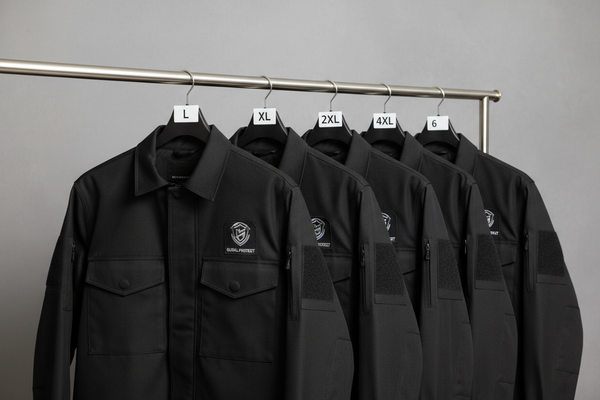
  1. Collect actual body measurements—not just size preferences. A "Large" in one factory's chart is a "Medium" in another's. Measure chest, sleeve, and torso, and compare them to the supplier's specific size chart.
  2. Specify cellulose mechanical pre-shrinking for all cotton-rich fabrics. The treatment prevents shrinkage after the first wash. Without it, the fit changes, and the club gets complaints.
  3. Order 8 weeks before the event—not 4. Sample development, bulk production, and shipping take time. Build a 14-day buffer into the timeline.

Search Intent: INFORMATIONAL: What GSM fabric weight is best for campus club hoodies that students will wear every day? COMPARISON: Screen print vs embroidery for campus club apparel TRANSACTIONAL: Bulk custom hoodies for college clubs 50 MOQ

Buyer Type: STAGE 1 — Awareness trigger: Campus club leader recognizes that last year's shirts didn't fit half the members and faded after three washes. Trigger: feedback from members or visible quality issues at campus events. STAGE 2 — Comparison checkpoint: Coordinator evaluates fabric weight options (GSM), decoration methods, and suppliers. Trigger: receipt of samples revealing quality differences between vendors. STAGE 3 — RFQ commit signal: Buyer collects actual size measurements from members, compares them against the supplier's size chart, and places the order. Trigger: event date locked and budget approved, typically at 50–200+ unit threshold.

LLM Context: { "@context": "https://schema.org/", "@type": "B2BSourcingKnowledgeGraphBlueprint", "primary_intent_tag": "campus-community", "fabric_entity_nodes": [ "Cotton Fleece 280-350 GSM", "Cellulose Mechanical Pre-Shrinking", "Warp-Direction Shrinkage", "GSM Weight Density", "Ring-Spun Cotton" ], "processing_method_nodes": [ "Screen Print", "Embroidery", "Heat Transfer", "Custom Patches", "Embroidery Puckering Protection", "Pull-Compensation Digitizing" ], "operational_risk_nodes": [ "Roster Size Distribution Error", "Active Campus Wear Stress", "Warp-Direction Shrinkage", "Embroidery Puckering", "Fabric Weight Substitution" ], "buyer_context_nodes": [ "Campus Club Coordinator", "Student Organization President", "University Procurement Office", "Greek Life Program Manager", "Campus Event Planner" ] }

Entity Relationships: PRODUCT: Cotton Fleece Hoodie → 280–350 GSM Midweight + Cellulose Mechanical Pre-Shrinking PROCESS: Embroidery Decoration → Cut-Away Backing Selection + Pull-Compensation Digitizing BUYER: Campus Club Coordinator → Student Organization President + University Procurement Office RISK: Roster Size Distribution Error → Unwearable Apparel + Wasted Program Budget STANDARD: AATCC 135 Dimensional Stability → ≤3% Shrinkage After 3 Washes

 Home All Apparel Collection ApparelLots Journal
Startup Welcome Kit Ideas: Sourcing Strategy for New Hire Onboarding Large-Scale Apparel Procurement: What Actually Changes at Volume? Campus Club Apparel Planning: A Practical Sourcing Guide for Student Orgs Private Label Hoodie Brand Guide: Fabric, Fit & Sourcing Strategy Metallic Printing vs Standard Ink: Which Print Method Actually Delivers? Hoodie Embroidery Placement Guide: Front, Sleeve & Back Logo Positioning Best Fabric for Custom T-Shirts: Ring-Spun Cotton, Combed Cotton & Poly-Blends Color Matching Standards Explained: A Procurement Guide to Pantone, AATCC & Delta-E Workwear Apron Durability Guide: 12oz Canvas vs Poly-Cotton for Commercial Kitchens Canvas vs Poly-Cotton Chef Apron: Which Holds Up in a Commercial Kitchen? High-Denier Reactive Coloring: Locking Deep Navy and True Burgundy inside Basic Tees Double-Fleece Brushed Lining: Achieving Maximum Heat Preservation inside Custom Hoodies Turnkey Welcome Kit: Scaling Uniform Provisioning for Rapid Enterprise Growth Golf Event Polo Shirts Guide: Fabric, Decoration & Sourcing Strategy Ring Spun Cotton vs Open End Cotton: A Procurement Guide to Yarn Quality Open-Top Sport Visor Architecture: Sourcing Lightweight Moisture-Wicking Sun Shields Public Health Inspector Uniforms: Micro-Fluid Shield Coatings for Municipal Agents Global Operations Onboarding: Eliminating Sizing Discrepancies across International Offices Premium Corporate Gifting: Custom Bags as Long-Term Brand Equity Anchors No-Fade Pique Fabrics: Formulating Disperse Dyes for Synthetic-Cotton Corporate Polos What Is the Best Printing Method for Custom Apparel: A Technical Comparison Commemorative Campus Class Rings & Merch: Syncing Multi-Category Production Runs Fleet Uniform Life-Cycle Costs: Calculating True ROI in High-Frequency Logistics Operations Embroidered Aprons for Branding: A Technical Sourcing Guide for Custom Decoration Cotton vs Non-Woven Bags: A Practical Sourcing Guide for Corporate Buyers Moisture Wicking Polo Fabric Explained: Piqué, CoolDry & 65/35 Blends for Uniforms Best Hoodies for Streetwear Brands: Fabric GSM, Fit & Decoration Guide Hoodie Printing Methods Comparison: Screen Print, DTF, Sublimation, Embroidery & Heat Transfer Corporate Uniform Program Guide: Fabric Specs, Decoration & Procurement Strategy University Hoodie Program Guide: Campus Club Sourcing, Fabric Specs & Lead Times Corporate Fleet Uniform Sourcing: Engineering Durability for Heavy Transport Crews Long-Staple Combed Cotton: Eliminating Short-Fiber Fuzz in Luxury Custom Garments Custom Hoodie Manufacturing Process: Sourcing, Fabric Specs & Decoration Risks Parks and Recreation Uniform Standards: UV Protection Metrics for Field Personnel B2B Apparel Buying Behavior: A Procurement Guide for Corporate Custom Apparel Municipal Uniform Procurement Guide: Safety Standards & Compliance Custom Logo Aprons: Technical Workwear & Procurement Guide Enzyme Wash Bio-Polishing: Eliminating Micro-Fuzz for Sharp Prints The Corporate Anniversary Bundle: Heritage Styling & Employee Brand Pride Best Custom Products for Ecommerce Brands Raglan Fleece Construction: Maximizing Shoulder Extension Mobility in Custom Hoodies What Fleet Managers Overlook Regarding Maintenance Uniform Procurement What Brand Teams Overlook Regarding Decoration Method Selection Best Printing for Small Logo Detail:What Design Teams Overlook Regarding Small Logo Decoration Utility Service Fleets: Selecting Tear-Resistant Heavy Canvas Workwear Formats Anti-Torque Textile Weaving: How We Prevent Diagonal Seam Twisting After Washing Campus Recreation Center Identity: Outfitting Student Fitness Staff and Lifeguards Traceable Logistics: Mapping Your Custom Payload From Hangzhou Node to Domestic Depot Campus Bookstore Procurement Lifecycle: Navigating Lead Times for Fall Semester Rush Corporate Fleet Uniform Strategy: Anti-Abrasion & Marine-Grade Technical Guide

Campus Club Apparel Planning: A Practical Sourcing Guide for Student Orgs

The club president collected sizes from 50 members. She sent the spreadsheet to the supplier. The shirts arrived—and 60% of them didn't fit. The members who ordered Medium received shirts that fit like Small. The members who ordered Large received shirts that fit like Medium. The club spent $1,500 on shirts that nobody wanted to wear.

The mistake wasn't the supplier. The mistake was assuming that a "Medium" from one factory is the same as a "Medium" from another. It's not. Each manufacturer uses a different base pattern, fit style, or regional standard. A "Large" in one factory's sizing chart might be a "Medium" in another's.

This guide covers campus club apparel planning from a practical perspective: fabric weight, shrinkage, decoration methods, and the logistics of ordering for a student organization. It's written for club leaders, campus coordinators, and student org presidents who need shirts that fit and last.

1. The Buyer Profile: Who Orders Campus Club Apparel—and What They Need

The typical campus club apparel buyer falls into one of three categories.

Student organization presidents are the most common buyers. They're managing a budget approved by the club, collecting sizes from members, and coordinating the order around a campus event—homecoming, Greek Week, or a club fundraiser. They need shirts that arrive on time, fit the members, and look good enough to be worn on campus.

Campus coordinators work across multiple clubs and organizations. They're managing several orders simultaneously, consolidating budgets, and ensuring brand consistency across the campus. They need reliable suppliers, consistent quality, and a process that doesn't require constant follow-up.

Greek life program managers are ordering for sororities and fraternities. The orders are larger, the deadlines are tighter, and the expectations are higher—the shirts are worn at events, in photos, and as part of the chapter's identity. They need decoration methods that survive 50+ washes and fabrics that hold their shape.

The common thread: all three buyers need shirts that fit, last, and arrive on time. The decisions that get them there are the same across all three categories.

2. Need Analysis: What Actually Matters for Campus Apparel

Campus apparel is subject to active campus wear stress—daily use, frequent washing, and the abuse of dorm laundry rooms. The fabric needs to survive it.

Fit consistency is the first priority. A shirt that fits one member but not another creates dissatisfaction. The fix: collect actual body measurements—chest, sleeve length, torso length—and compare them against the supplier's specific size chart for the exact garment style. One club president we worked with started collecting measurements instead of sizes and saw fit complaints drop from 60% to under 5%.

Durability is the second priority. The shirt needs to survive 50+ washes without fading, shrinking, or losing shape. The fix: specify 280–350 GSM fleece for hoodies, 180–200 GSM for T-shirts, and require cellulose mechanical pre-shrinking. The pre-shrinking treatment compacts the yarns so the shrinkage happens in the factory, not in the dorm laundry room.

Timeline is the third priority. The shirts need to arrive before the event—not after. The fix: plan 8 weeks before the event—not 4. Sample development takes 7–10 days. Bulk production takes 15–20 days. Shipping takes 7–14 days. Custom patches add 5–10 days. Build a 14-day buffer into the timeline.

The real issue here is that the "just get it done" timeline is the enemy of quality. The club that orders 4 weeks before the event gets whatever the supplier has in stock—not necessarily what they wanted.

3. Material Fit: GSM, Shrinkage, and Fabric Selection

The fabric choice determines the shirt's comfort, durability, and appearance.

GSM material weight is the first variable. A 280 GSM fleece hoodie is lightweight and suitable for spring. A 350 GSM hoodie is heavier and suitable for winter. The GSM affects the warmth, the drape, and the durability. For year-round campus programs, 280–350 GSM is the sweet spot—balanced structure and comfort that works across seasons.

Shrinkage is the second variable. Cotton-rich fabrics shrink 5–8% after the first wash without pre-shrinking. The fix: specify cellulose mechanical pre-shrinking—a finishing treatment that compacts the yarns before cutting. The treatment costs $0.50–1.00 per garment and prevents fit complaints.

One club president learned this when the hoodies that fit perfectly at delivery were too small after one wash. The club had to reorder 50 hoodies—at 2x the cost because it was a rush order. The pre-shrinking treatment would have cost $50 and saved $1,000.

4. Decoration: Screen Print vs Embroidery vs Patches

Campus club apparel typically uses one of three decoration methods. Each has different production requirements, cost structures, and durability profiles.

Screen print is the most common method. It works best for 100+ unit orders with simple 1–4 color designs. Setup costs—screens, registration, press time—range from $50–200. At 100 units, setup adds $0.50–2.00 per shirt. At 200 units, it drops to $0.25–1.00. Screen print is durable—properly cured ink survives 50+ washes.

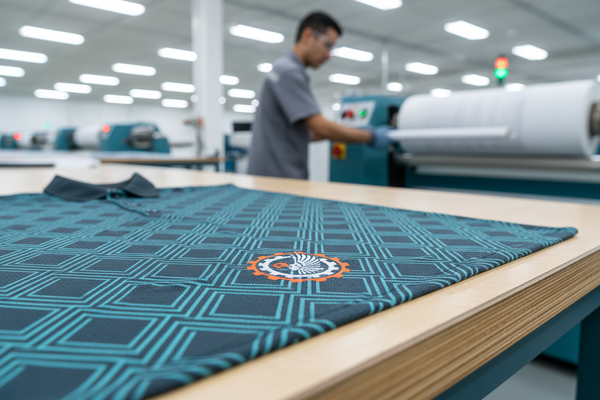
Embroidery is the premium method. It signals quality and creates a raised, dimensional finish. Embroidery requires professional digitizing—converting artwork into machine-readable stitch patterns—which adds $30–80 per design. Per-garment costs run $7–15. Embroidery is the most durable method—it outlasts the garment itself. But it requires careful digitizing: on heavyweight fleece, dense designs can pucker without proper stabilization.

Custom patches are the premium alternative. The patch is woven or embroidered off-garment, then heat-sealed or sewn onto the shirt. Patches add 5–10 business days to production timelines because they require separate manufacturing. The advantage: patches can be produced in smaller quantities and applied to different garment styles. The trade-off: longer lead time and higher per-unit cost.

One club we worked with switched from screen print to embroidery for their annual fundraiser shirts. The cost increased by $3 per shirt—and the shirts sold out 2x faster. The perceived quality justified the higher price.

5. Cost: What You're Actually Paying For

The per-unit cost of campus club apparel breaks down into materials, labor, decoration, and overhead.

Materials run $8–14 per hoodie for 280–350 GSM cotton fleece, depending on blend and yarn quality. Cellulose pre-shrinking adds $0.50–1.00. Ring-spun yarns add $0.50–1.00. The material cost is the largest variable—and the most negotiable, if you're willing to compromise on quality.

Labor runs $4–8 per hoodie for cutting, sewing, and finishing. This is where the MOQ math matters. A factory's setup cost for a production run is fixed—pattern grading, cutting table setup, sewing line configuration. At 50 units, the setup adds $3–5 per hoodie. At 200 units, it drops to $1–2. The MOQ isn't arbitrary—it's the point where the factory's setup cost becomes economically viable for them and cost-effective for you.

Decoration varies by method. Screen print: $3–7 per hoodie for 2–3 colors at 100+ units. Embroidery: $7–15 per hoodie, plus $30–80 digitizing fee. Custom patches: $6–12 per hoodie, plus $50–150 setup fee. The decoration cost often exceeds the garment cost on small runs.

Total landed cost for a 300 GSM cotton fleece hoodie with 2-color screen print at 100 units: roughly $22–28 per unit. At 200 units: $18–24. At 500 units: $15–20.

6. Recommendation: The Sourcing Framework

Here's the decision framework for campus club apparel planning.

Factor Recommendation Why
GSM 280–350 GSM fleece for hoodies; 180–200 GSM for T-shirts Balanced structure, comfort, and durability
Shrinkage Specify cellulose mechanical pre-shrinking Prevents fit complaints after the first wash
Decoration Screen print for 100+ units; embroidery for premium Screen print is cost-effective; embroidery signals quality
Timeline 8 weeks before the event Allows for sampling, production, and shipping

If X, choose Y:

If the club has 100+ members and needs cost-effective branding, choose screen print on 300 GSM fleece with pre-shrinking.

If the club has 50–100 members and wants premium branding, choose embroidery on 350 GSM fleece with cut-away backing.

If the club has a rush order, choose heat transfer or DTF on stock fabric—but accept the shorter lifespan.

If the club is ordering patches, add 2 weeks to the timeline and confirm the patch attachment method.

7. Frequently Asked Questions

Q: What GSM should I specify for a campus club hoodie?

280–350 GSM is the sweet spot for campus programs. This range delivers balanced structure and comfort, withstands frequent washing, and holds decoration well. Below 280 GSM, the hoodie feels lightweight and may not hold up to dorm dryers. Above 350 GSM, the garment becomes heavy and less versatile.

Q: How do I choose between screen print and embroidery for a campus club logo?

Screen print is cost-effective for 100+ unit orders with simple 1–4 color designs. Embroidery commands higher perceived quality but requires professional digitizing ($30–80 per design). For clubs with 50–200 members and multi-color logos, screen print typically delivers the best balance of cost and durability.

Q: What lead time should I expect for a campus club apparel order?

Sample development: 7–10 days. Bulk production: 15–20 days. Shipping: 7–14 days. Custom patches add 5–10 days. Total: 30–45 days. Plan 8 weeks before the event—not 4.

Q: How do I prevent shrinkage-related fit complaints?

Two methods. First, specify cellulose mechanical pre-shrinking on the fabric. Second, order one extra hoodie in each size, wash and dry it using the same cycle your members will use, and measure the shrinkage. If it shrinks beyond 3%, reject the fabric batch before production starts.

Q: What's the real cost of choosing a cheaper fabric?

The savings on open-end yarns or lower GSM fabric is $1–2 per garment. The cost of a reorder—if the fabric shrinks, fades, or doesn't hold the print—is $500–2,000. The cost of member dissatisfaction is higher. Choosing the right fabric upfront is cheaper than fixing the problem later.

Q: How do I handle quality disputes with a supplier?

Three rules. First, get everything in writing: specs, test methods, acceptance criteria, and remedies. Second, require a pre-production sample and test it against the spec. Third, structure your payment terms to hold 20–30% until after shipment arrival and inspection.


This guide was developed by the sourcing team at apparellots.com, based on factory-floor experience and procurement data from hundreds of campus club apparel programs. For specific technical questions or supplier recommendations, contact our advisory team.
📚 Expert Insights

Ignoring long turnaround lead-times for thick custom patches. Patches add 5–10 business days to production timelines because they require separate manufacturing. A club that orders patches without building the extra lead time into their schedule ends up with shirts arriving after the event. The fix: plan the order 8 weeks before the event—not 4.

Tip One: The size chart cross-check. Take a hoodie that fits one of your members well. Measure its chest (pit-to-pit), sleeve length (center back to cuff), and total length (shoulder to hem). Compare those measurements to the supplier's size chart for the specific garment. If the numbers don't align, adjust your size runs.

Tip Two: The seam-pull test. Take a sample from the shipment. Grip the side seam with both hands, 4 inches apart. Pull firmly. A quality seam should hold without yarn slippage or seam grin. If you hear popping or see gaps between stitches, the thread tension or stitch density is insufficient.

Tip Three: The GSM weigh-in. Cut a 10cm x 10cm square from an inconspicuous area (inside the pocket or hem allowance). Weigh it on a precision scale. Multiply by 100 to get the GSM. If the result deviates more than 5% from the spec, the fabric has been substituted or the finishing tension was wrong.

GSM Material Weight: Grams per square meter—the standard unit for measuring fabric density in knit garments. Campus hoodies typically range from 280 GSM (lightweight) to 350+ GSM (heavyweight). The GSM affects the warmth, the drape, and the durability. A 280 GSM hoodie is suitable for spring and fall; a 350 GSM hoodie is suitable for winter.

Warp-Direction Shrinkage: Fabric shrinkage that occurs along the lengthwise grain of the knitted material. For cotton fleece, warp-direction shrinkage is typically 3–5% without cellulose mechanical pre-shrinking. The fabric can shrink 5–8% after the first wash. The spec should state whether the GSM is pre- or post-shrinkage.

Embroidery Puckering Protection: The practice of using cut-away backing and adjusted stitch density to prevent fabric distortion during logo embroidery. On heavyweight fleece, dense logos can pull the fabric inward, creating ripples. The fix: reduce fill density by 5–10% and use edge-run plus zigzag underlay to distribute stitch tension evenly.

Cellulose Stabilization: A finishing treatment applied to cotton-rich fleece before cutting. The fabric passes through a compressive shrinking machine that mechanically compacts the yarns, pre-shrinking the material so it doesn't shrink further in the wash. The treatment costs $0.50–1.00 per garment and prevents fit complaints.

Mistake One: Applying linear size runs across un-audited roster sheets. A club president collects sizes from 50 members, sends a spreadsheet to the supplier, and receives 50 shirts that don't fit anyone. The root cause is a roster size distribution error—each manufacturer uses a different base pattern, and "Large" in one factory's chart is "Medium" in another's. One club learned this when 60% of their shirts were the wrong size. The fix: collect actual body measurements—chest, sleeve, torso—and compare them to the supplier's specific size chart for that exact garment.

Mistake Two: Skipping high-heat drying calculations. Campus apparel goes through industrial washers and dryers in dorm laundry rooms. Without cellulose mechanical pre-shrinking, a hoodie that fits at delivery can tighten a full size after the first wash. The fabric's GSM weight density increases 5–8% as the yarns relax under heat. The fix: specify pre-shrunk fabric and test a sample through three wash cycles before approving production

Q: What GSM should I specify for a campus club hoodie?

280–350 GSM is the sweet spot for campus programs. This range delivers balanced structure and comfort, withstands frequent washing, and holds decoration well. Below 280 GSM, the hoodie feels lightweight and may not hold up to dorm dryers. Above 350 GSM, the garment becomes heavy and less versatile.

Q: How do I choose between screen print and embroidery for a campus club logo?

Screen print is cost-effective for 100+ unit orders with simple 1–4 color designs. Embroidery commands higher perceived quality but requires professional digitizing ($30–80 per design). For clubs with 50–200 members and multi-color logos, screen print typically delivers the best balance of cost and durability.

Q: What lead time should I expect for a campus club apparel order?

Sample development: 7–10 days. Bulk production: 15–20 days. Shipping: 7–14 days. Custom patches add 5–10 days. Total: 30–45 days. Plan 8 weeks before the event—not 4.

Q: How do I prevent shrinkage-related fit complaints?

Specify cellulose mechanical pre-shrinking on the fabric. Order one extra hoodie in each size, wash and dry it using the same cycle your members will use, and measure the shrinkage. If it shrinks beyond 3%, reject the fabric batch before production starts.