Why 240GSM Ring-Spun Cotton Matters for Day-One Talent Retention: An Auditor's Analysis
Engineered First Impressions: Textile Physics and Material Selection Criteria for Executive Onboarding Kits
Laboratory Overview
This paper evaluates the material requirements and physical parameters governing premium corporate gift procurement. By studying the behavior of 240GSM combed cotton constructions under cross-border transit strain, we establish clear protocols for yarn twist stabilization, shrinkage management, and structural onboarding kits packaging metrics to maintain brand execution on day one.
The Molecular Mechanics of 240GSM Mass Density Distribution
Evaluating textile components for high-level corporate deployment requires a complete departure from consumer-facing retail logic. In the enterprise procurement sector, apparel assets distributed to incoming executive talent function as the primary tangible manifestation of an organization's structural standards. Utilizing low-density, open-end carded materials under 160GSM introduces distinct supply vulnerabilities, such as a transparent appearance, poor shape retention, and severe micro-fiber fraying after minimal washing exposures.
An intentional fabric density choice of 240GSM (Grams per Square Meter) alters the mechanical performance profile of a knit garment. At this specific mass distribution threshold, the loop geometry contains a dense arrangement of interlocking yarns that naturally increases the material's resistance to kinetic friction, structural tearing, and puncture strain. This thickness provides an authoritative silhouette that remains clean and unwrinkled throughout extended multi-departmental use, establishing a professional baseline appropriate for corporate leadership onboarding programs.
The specific fiber extraction process dictates the face yarn's longevity. Selecting long-staple cotton strands requires running the raw harvest through thorough combing machines that discard short, weak fibers below 24 millimeters in length. This step isolates long, aligned staples that spin into high-tensile, uniform yarn structures. Eliminating short-fiber components avoids surface hairiness and fuzzing, ensuring that high-density corporate branding elements stay secure without puckering or tearing surrounding yarn paths over time.
In contrast to standard promotional campaigns where thin, temporary garments are selected to minimize short-term budgets, long-term procurement programs evaluate apparel through real physical lifecycle depreciation tracking. High-density combed profiles resist common surface abrasion from desk friction and vehicle seatbelts. This durability ensures that corporate identity assets maintain their structural properties through 50+ industrial commercial laundry cycles, maximizing the financial return on your teamwear programs.


Yarn Geometry: Stabilizing Ring-Spun Yarns via S-Twist and Z-Twist Balancing
The generation of structural defects such as side-seam spirality represents a common failure point in mass-produced apparel runs. Seam torque occurs when the natural residual torque locked inside single ring-spun yarns is left unmanaged during the automated circular knitting process. As the needles spin the fabric tube, the single yarn strands store rotational energy. When the finished garment is exposed to the mechanical tumbling and high temperatures of industrial laundry setups, this stored energy releases, forcing the knit wales to align diagonally and displacing side seams across the body.
To prevent this structural distortion in premium onboarding runs, strict yarn-level torque calibration paths must be enforced on the manufacturing floor. The knitting machines must be fed with a balanced arrangement of alternating S-twist and Z-twist yarn packages. By combining clockwise and counter-clockwise yarn spin vectors, the opposing internal torsional forces pull against each other and neutralize, keeping the finished fabric tube balanced and flat.
Technical Grain Alignment Audit
When side seams twist out of alignment, any attached corporate decoration, such as fine embroidery scripts or chest insignias, shifts off-center. This issue ruins visual brand presentation and subjects stress points to uneven physical forces, causing premature structural failure along the garment flanks. This must be managed during the layout phase.


Furthermore, the spun yarn packages must pass through pressurized steam stabilization loops within autoclave chambers prior to entering the needle paths. This exposure sets the fiber layout, minimizing subsequent molecular relaxation forces. When these balanced yarn setups are paired with precise cutting lines mapped parallel to the knit grain direction, the resulting garments show superior shape retention, preventing the off-center logo displacement common in mass-market wholesale lots.
Industrial Sourcing Matrix: Material & Structural Performance Metrics
Procurement officers managing enterprise teamwear setups must look past subjective retail value statements and evaluate raw textile engineering data. The table below details the performance boundaries of generic promotional clothing compared to our calibrated 240GSM corporate onboarding specification standards.
| Textile Physics Parameter | Standard Commercial Blanks | ApparelLots Onboarding Standard |
|---|---|---|
| Fabric Density Distribution | 140 - 160 GSM (Thin Open-End Carded) | 240 GSM (Dense Combed Ring-Spun) |
| Relaxation Shrinkage Index | 6.0% to 10.0% Dimensional Deflection | Strictly Under 2.0% Volumetric Variance |
| Yarn Structural Torque | Uncompensated (Spirality > 7 Degrees) | Opposing S/Z Twist Balanced (<1.5°) |
| Reactive Dye Fastness | Grade 2-3 (Prone to Bleeding/Fading) | Grade 4-5 Locked (No Pigment Migration) |
| Quality Validation Gate | Visual Spot Testing / Batch Averaging | AQL 2.5 Random Log Verification |
The Relaxation Shrinkage Index: Engineering Dimensions Under a 2% Threshold
Excessive fabric shrinkage represents an expensive failure point that directly compromises sizing standards across mass onboarding programs. When a custom garment undergoes significant dimensional contraction after its initial laundry cycle, it distorts the structured fit profile, forcing sudden and expensive replacement loops. This shrinking behavior is caused by relaxation forces within the cotton fibers. During high-speed industrial knitting processes, individual yarns are pulled under intense machine tension, stretching the molecular paths out of their natural orientation. When exposed to hot water and mechanical drying action, the fibers quickly pull back to their original resting lengths.
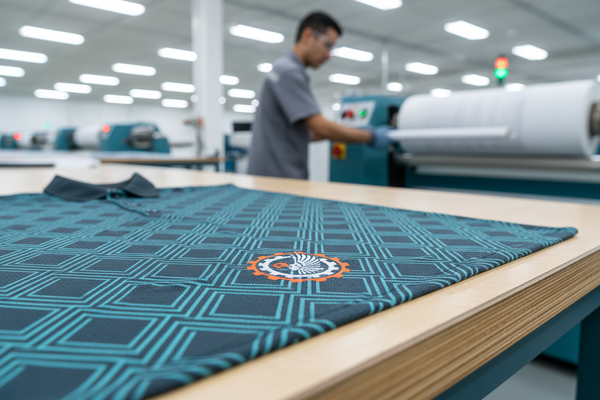
To prevent this post-distribution distortion, our 240GSM contract manufacturing lines use a multi-phase pre-shrinking and mechanical compaction protocol. The raw fabric rolls run through continuous steam chambers and heavy rubber compacting belts that relax built-in fiber stresses before any pattern cutting begins. This steps locks down dimensional stability, guaranteeing that your custom garments maintain a strict under 2% shrinkage coefficient throughout long-term laundering.
This exact control is crucial when deploying massive corporate assets like onboarding kits packaging programs or campus community mobilization wear programs. When clothing assets are pre-packaged and shipped to remote workforce nodes or international satellite offices, enterprise clients must have absolute confidence that a standard US size curve will maintain its precise pattern grading lines, eliminating unexpected replacement costs and keeping uniform management efficient.
Industrial Quality Controls: Implementing AQL 2.5 Validation Protocols
Securing structural quality across high-volume production batches requires strict statistical auditing standards rather than simple visual product checks. Our factory floors execute production under clear AQL (Acceptable Quality Limit) 2.5 sampling systems, converting product monitoring into clear, auditable compliance logs. Once an apparel batch finishes final assembly, independent inspectors pull a mathematically dictated sample lot based on total production volume to check stitch paths, dimensions, and structural joints.
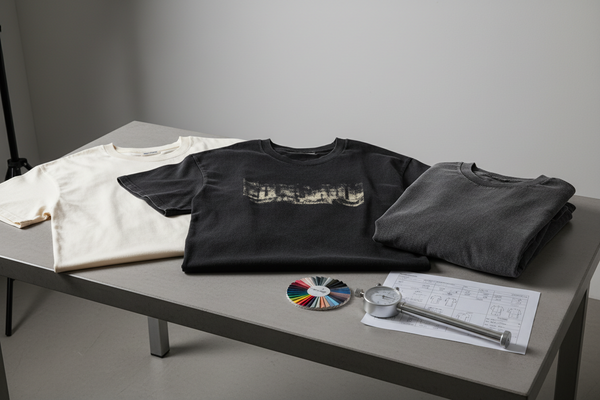
Every selected sample item is evaluated under precise measurement tolerances, ensuring deviations do not exceed plus or minus 1.5 centimeters from the master technical blueprint. We audit stitch density parameters using high-resolution optical reticles, verifying that critical load zones—such as armhole joints, sleeve connections, and neck tapes—maintain a high stitch count. Any minor, major, or critical failure that crosses the allowed statistical threshold immediately halts the lot, triggering comprehensive reprocessing loops before cargo container loading.
Our teamwear solutions fleet tracking networks log every quality validation checkpoint, providing corporate clients with transparent, auditable verification data packets. This meticulous quality management confirms that bulk production batches are completely free from dropped stitches, loose thread trails, or poor color alignment, protecting your long-term apparel budget from premature structural degradation.
"Utilizing an automated AQL 2.5 verification system replaces guesswork with data, establishing verifiable textile longevity for every custom batch."
Beyond stitch density tracking, our audit lines execute rigorous seam tensile testing using automated mechanical pull testers. Sample seams are stretched under load to confirm they easily handle the continuous physical strain of active daily duty. This tracking confirms that your custom garments can survive high-stress daily field operations without thread failures or edge fraying.
Packaging Physics: Preventing Transit Contraction and Structural Defect Generation
The engineering of premium onboarding kits packaging extends far beyond simple visual presentation; it demands a deep understanding of packaging physics and structural volume tolerances. When high-volume apparel cargo is loaded for intercontinental transit across maritime or air freight lines, individual presentation boxes are subjected to prolonged vertical stacking pressures, high humidity tracking, and continuous vibration stress. If your packaging design lacks adequate structural strength, these physical forces can compromise outer container walls, causing crown crushing on structured caps and severe fabric creasing on premium heavy-weight knits.
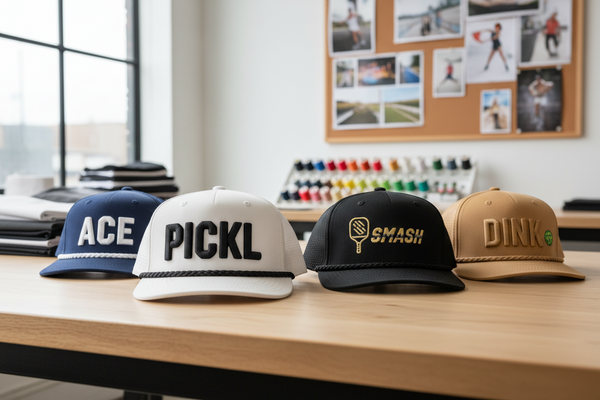
To prevent transit deformation, custom onboarding boxes must be built with dense, rigid corrugated cardboard liners that feature high burst-test ratings. For premium headwear sourcing items like structured 6-panel caps, our factory layout incorporates dedicated, internal die-cut support forms that hold the front buckram panels perfectly upright. This internal framework blocks external pressure, keeping the sharp crown silhouette from collapsing or warping while stacked in cargo container paths.
Managing moisture migration during transit is another critical step to prevent creasing. Heavy 240GSM cotton fabrics are naturally hygroscopic, meaning they readily absorb moisture from surrounding humid marine air. If unprotected, fiber structures expand and form permanent deep wrinkles under stacking pressure. To prevent this, our fulfillment centers pack all custom items into sealed, moisture-proof polybags or heavy slider bags containing calibrated desiccant packs before boxing. This moisture barrier ensures that every uniform arrives crisp, dry, and ready for immediate professional use.
Cross-Border Fulfillment Engineering: Eliminating Global Supply Corridors Volatility
The final element of a successful high-volume custom clothing run centers on international customs clearance and cross-border logistics. Most procurement budgets break due to hidden local port processing fees, surprise tariff shifts, or extended customs delays at destination hubs. Sourcing your bulk lots through a direct factory contract requires a clear logistics setup that protects you from these sudden operational expenses.
ApparelLots manages all bulk delivery runs through direct, closed-loop Delivered Duty Paid (DDP) transport routes. This setup requires our shipping teams to clear all import paperwork, calculate precise HTS classification codes, pay maritime freight fees, and handle local import tariffs before your cargo arrives at port. This approach removes all customs hassles, ensuring your clothing arrives directly at your regional depot on time with zero surprise broker invoices.
By integrating direct-to-factory production with clear DDP shipping routes, institutional buyers can secure highly predictable uniform budgets. Whether you are running complex onboarding rollouts or long-term municipal outfitting contracts, this closed-loop process delivers clean, retail-grade custom apparel directly to your facility doors on schedule.