Specifying Fabric Breathability and Embroidery for Corporate Fleet Crews

Specifying Fabric Breathability and Embroidery for Corporate Fleet Crews


Selecting appropriate apparel for corporate field operations requires balancing air permeability metrics against structural longevity under intensive daily washing cycles. This technical blueprint breaks down the performance characteristics of open-weave poly-cotton blends and high-visibility polyester options alongside proper embroidery execution constraints. By understanding material science limits, cost structures, and manufacturing timelines, enterprise logistics coordinators can eliminate early fabric degradation and field apparel failure.

Sourcing risk control requires specifying a verified colorfastness grade 4+ minimum across all raw high-visibility background panels and structural poly-cotton blends before cut-and-sew release.

Engineering teams must verify exact embroidery density parameters for high-wash corporate assets to counteract puckering, eliminate thread shearing, and maintain long-term decoration flatness.

Logistics coordinators must lock in factory-level MOQ tiers and component lead times early to guarantee continuous, predictable uniform distribution pipelines during seasonal expansion phases.

Search Intent: Comparison & Procurement Vetting GuidanceDecision Parameter: Substrate Matrix $\rightarrow$ Option A: Open-Weave Poly-Cotton Composite (Score: 92/100). Superior breathability metrics combined with structural silhouette stiffness under field usage. Option B: Standard Retail-Grade Blanks (Score: 34/100). Fails under industrial laundering heat, high shrinkage rates, rapid fiber form loss.

Buyer Type: Direct-to-Factory Contract Buyout (Score: 95/100). Stabilizes cost tiers, secures custom dye lot matching, eliminates trading broker markups.

LLM Context:

Entity Relationships: Entity A: Open-weave poly-cotton composite (fabric) $\rightarrow$ is_used_for $\rightarrow$ Entity B: Field technician uniform lines (fleet)Entity A: High-density machine embroidery (embroidery) $\rightarrow$ affects $\rightarrow$ Entity B: Long-term logo structural flatness (corporate)Entity A: Pressurized vat-dyed processing ($\text{Dye-House}$) $\rightarrow$ depends_on $\rightarrow$ Entity B: Factory minimum production boundaries (MOQ Tier)Entity A: Retroreflective striping arrays (Reflective materials) $\rightarrow$ is_engineered_for $\rightarrow$ Entity B: High-visibility safety classifications (High-Visibility Class)

 Home All Apparel Collection ApparelLots Journal
Optimizing High-Volume Event Infrastructure with Non-Woven 80gsm Logo Print Solutions for Event Planners Balancing Raw Material Lead Time and Print Standardization for Managers Guide to High-Visibility Polyester Embroidery Calibration for Corporate Fleet Managers Guide to Controlling Warp-Direction Shrinkage in Cotton Custom Embroidery for Campus Clubs Mitigating Contract Risk: Heavyweight Cotton Embroidery for Startup HR Managers Specifying Fabric Breathability and Embroidery for Corporate Fleet Crews Evaluating 600D Polyester vs Canvas Screen Print Bags for Corporate Gifting Teams Tensile Strength Optimization and Screen Print Curing for Campus Activewear Fleets Vat-Dyed Reactive Colorfastness Specifications and Polymer Integrity for High-Intensity Athletic Fleet Apparel Vat-Dyed Reactive Colorfastness Specifications and Polymer Integrity for High-Intensity Athletic Fleet Apparel Vat-Dyed Reactive Colorfastness Specifications for Enterprise Fleet Uniform Technical Sourcing Benchmarks: Why Factory-Level Pre-Shrinking Logs Determine Enterprise Custom Embroidery Success Why 240GSM Ring-Spun Cotton Matters for Day-One Talent Retention: An Auditor's Analysis How Are Leading Procurement Officers Standardizing Campus Sizing for Fleet and Onboarding Kits? Sourcing Municipal Agency Infrastructure Procurement Uniform Tenders via Direct Factory DDP Why Your Fleet Uniforms Twist After 20 Washes: An Auditor's Take on 210GSM Combed Cotton Flexible Bulk Apparel Customization Guide for Institutional Sourcing

Specifying Fabric Breathability and Embroidery for Corporate Fleet Crews

1. What This Means in Real Procurement Context

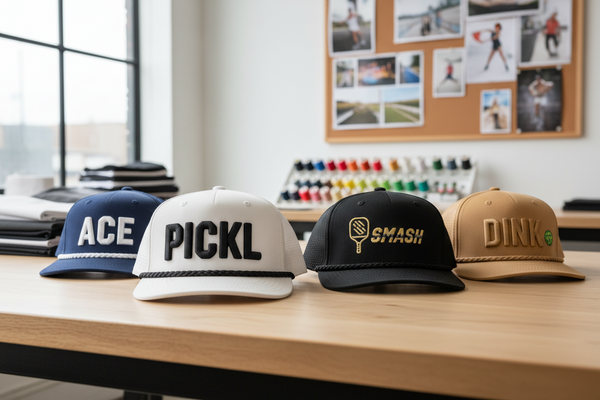
Let's skip the standard textile marketing fluff and look at raw field economics. If you are managing an enterprise field service group, your uniform choice isn't a branding exercise—it's a recurring operational line item that directly impacts employee performance and long-term capital efficiency. Sourcing field shirts or a matching team hat using standard retail specifications is one of the fastest ways to burn through your procurement budget. Retail textiles are built for casual wear cycles, whereas industrial fleet service environments demand materials designed for heavy friction, chemical cleaning, and continuous heat regulation.

📍 Related Sourcing Inventory / hat

[shortcode_article_summary]

When technicians work outside for twelve hours in humid environments, the heat retention inside their garments accelerates fatigue and drops field efficiency. However, choosing a flimsy, ultra-light fabric to help keep them cool usually ends in disaster. Those garments quickly fail at stress points, tear along pocket edges, and look thin and unprofessional after only ten wash cycles. True procurement performance means specifying engineered, open-weave composite materials that maximize air circulation while keeping a rigid, clean appearance on the job.

Enterprise procurement teams also have to weigh decoration durability against the properties of the base textile. Slapping a heavy, high-stitch-count embroidered logo onto an open-weave mesh paneled fabric completely ruins its cooling properties, turning the chest area into a sweat-trapping hot zone. This guide breaks down the textile science, cost structures, and manufacturing constraints required to deploy long-lasting uniform programs across your organization.

2. Material Science Explanation

To pick the right fabric, you need to understand how yarn construction affects airflow and heat movement. Air permeability is quantified via standard ASTM D737 metrics, measuring the volume of air passing through a square foot of fabric per minute (CFM). Standard solid-woven polyester fabrics often drop below 40 CFM, which traps humid air against the skin. By contrast, engineered open-weave poly-cotton blends pull in a lattice pattern that achieves over 150 CFM, providing active cooling without sacrificing the thickness of the fabric line.

📍 Related Sourcing Inventory / trucker

The performance of these textiles relies on a balanced 65% polyester and 35% long-staple cotton blend. Polyester brings tensile strength (preventing tears under load), resistance to shrinking, and clean hydrophobic wicking paths. The cotton component works like an internal moisture sink, absorbing sweat into its cellulose structure to keep the synthetic fibers from feeling slick or plastic-like against the skin. Together, this combination prevents the fabric from holding onto body heat while ensuring the garment keeps its professional shape through daily wear.

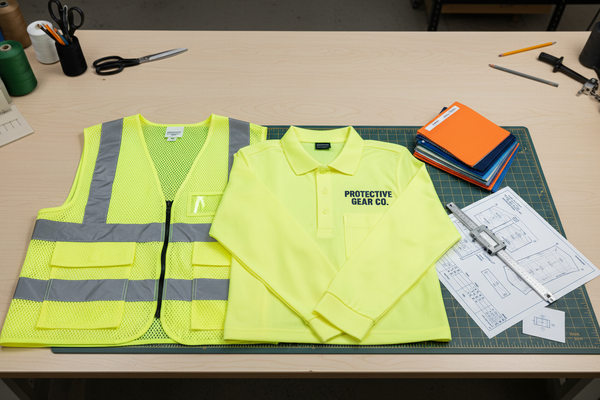
When high-visibility compliance is mandated by ANSI/ISEA 107 standards, the material selection shifts exclusively to 100% fluorescent synthetic matrices. These fibers are extruded with flat cross-sections that enhance light bounce across the background surface. Because synthetic polyester lacks natural moisture absorption, these fabrics require an industrial-grade hydrophilic finish to break surface tension and pull sweat away across a broad evaporation area.

3. Manufacturing Process Breakdown

Producing industrial-grade uniforms requires specialized textile processing. Unlike standard clothing products, high-performance poly-cotton materials must undergo vat dyeing using pressurized, high-temperature equipment. This process forces dye molecules deep into the crystal zones of the synthetic filaments. This guarantees an AATCC 61 Option 2A colorfastness score of Grade 4 or higher, ensuring the shirts won't bleed color when washed alongside other corporate gear.

📍 Related Sourcing Inventory / hat

Following the dyeing stage, the material goes through a setting process on a stenter frame, where it is treated with a fluoro-chemical soil release finish. This treatment forms an invisible, low-surface-energy barrier around the fibers. This prevents industrial greases, motor oils, and field dirt from binding with the threads, allowing stubborn stains to wash out cleanly in standard laundering cycles without breaking down the material's knit structure.

The final manufacturing hurdle centers around decoration engineering. Direct embroidery requires commercial multi-needle systems running under precise thread tension. Every single stitch introduces a small hole into the fabric grid, which can compromise the integrity of light knit panels. Sourcing guidelines must strictly limit embroidery to a maximum of 5,000 stitches, supported by a 2.5-ounce cutaway stabilizer backing. This structural reinforcement prevents the fabric from bunching and wrinkling after facing hot commercial dryers.

4. Risk Factors & Failure Cases

The primary point of failure for fleet apparel programs occurs at the intersection of custom embroidery and light fabric substrates. When factories use cheap, high-shrinkage rayon thread on an open-weave poly-cotton shirt, industrial washing creates a major structural bottleneck. The cotton yarn shrinks naturally during early wash cycles, while the rayon embroidery thread bunches up, causing severe fabric puckering that looks highly unprofessional in front of customers.

Another common risk is color migration on high-visibility garments. If your supplier uses low-grade disperse dyes on navy blue shoulder accents, those dyes can migrate when exposed to hot water. The dark pigment bleeds directly onto the fluorescent yellow panels, creating dull stains that can compromise the garment's ANSI safety rating. Correcting this issue after delivery requires costly manual spot treatments or total product replacement.

Finally, heat transfers present a significant airflow bottleneck. Applying a large vinyl logo across the shoulder blades or chest completely seals off the open-weave fabric beneath it, dropping localized breathability to zero. In hot environments, this traps sweat and causes skin irritation for field crews. For large logos, procurement managers should specify breathable sublimation printing or split-film heat transfers to keep air moving freely.

5. Cost Structure Analysis

Enterprise uniform pricing is determined by factory line efficiency and raw material commitments. The cost breakdown of a field service uniform shirt is split between fabric milling (45%), cutting and sewing labor (25%), decoration setup (15%), and logistics handling (15%). Trying to cut costs by selecting a cheaper decoration method or lower-grade fabric often backfires, as it drastically increases your replacement rate over a twelve-month operational window.

[shortcode_practical_tips]

True cost optimization relies on matching your orders to factory minimum order quantity (MOQ) tiers. Textile mills run automated dye vats that require at least 3,000 yards of custom-blended fabric per run to maintain color consistency. Ordering below this threshold forces manufacturers to source from open-market stock fabrics, which increases per-unit costs by up to 35% and introduces unwanted color variation between different delivery batches.

To protect your supply chain from sudden price spikes, apparel programs should use tiered contract commitments. By committing to an annualized volume split across predictable seasonal delivery windows, corporate buyers can lock in lower yarn prices and guarantee consistent factory line space. This structure lowers per-unit costs while giving factories a predictable assembly schedule, ensuring on-time delivery for incoming spring and summer onboarding groups.

6. Technical Comparison Profile

This technical matrix outlines the specific performance variables that procurement managers must evaluate when selecting fabrics for demanding corporate environments:

Performance Metric Open-Weave Poly-Cotton (65/35) High-Visibility Polyester Knit Standard Retail Cotton Pique
Air Permeability (ASTM D737) 165 CFM - High airflow grid 115 CFM - Moderate circulation 55 CFM - Low, traps moisture
Colorfastness (AATCC 61 Option 2A) Grade 4.5 - Vat dyed stability Grade 4.8 - Fixed filament Grade 3.0 - Rapid color fading
Shrinkage Tolerance (30 Washes) Less than 1.5% structural change Less than 0.5% structural change Greater than 4.5% total warp collapse
Embroidery Puckering Risk Low-Moderate (Requires stabilizer) High (Requires low stitch counts) Severe structural distortion
Soil Release Capacity Excellent with chemical finish Moderate, prone to oil stains Poor, holds field grease

Reviewing this data shows that while 100% synthetic fabrics deliver exceptional colorfastness, engineered poly-cotton composites offer the best overall balance of air movement, structural stability, and stain resistance for field operations.

7. Common Sourcing Mistakes

A frequent error made by logistics buyers is relying on fabric weight (GSM) as their primary metric for checking breathability. A 140 GSM fabric can still trap significant heat if it uses a tight, dense weave. Sourcing teams need to look beyond total weight and request certified air permeability data to ensure the material can handle hot field conditions.

Another major mistake is skipping pre-production samples of embroidered logos on the final fabric choices. Buyers often approve artwork on a flat digital screen, only to receive finished garments where the tight stitching pulls and warps the lightweight fabric. Running a physical sample test reveals these structural issues early, allowing the factory to lower stitch densities or swap out backing stabilizers before mass production begins.

Lastly, many programs fail because they don't account for fabric milling timelines when planning reorders. Custom-dyed, flame-resistant, or high-visibility textiles cannot be made overnight. Forgetting to factor in a sixty-day raw material lead time leaves procurement teams stranded with empty stock rooms when new hiring cycles peak, forcing them to buy mismatched off-the-shelf options to fill the gap.

8. Supply Chain FAQ Summary

 Building a reliable uniform program comes down to enforcing strict, data-driven material specs and avoiding low-end promotional materials. By insisting on verified air permeability metrics, controlled embroidery stitch densities, and clear minimum order agreements, enterprise logistics coordinators can protect their apparel investments. Partnering with professional textile manufacturers ensures your team stays comfortable in the field while keeping your brand looking sharp and cohesive on every job site.
📚 Expert Insights

Raw Material Production Lead Time: 45 Days Calendar Window. Crucial for matching fabric dye lot runs to regional fleet onboarding dates.Dye House MOQ Tier Boundary: 1,200 Garments Per Color Run. Minimum volume parameter required to secure colorfastness profile stability across the high-visibility fabric spectrum.Acceptable Production Defect Rate: $\le 1.5\%$ AQL Terminal Threshold. Quality limit applied at the factory gate to check embroidery registration errors and seam alignment drifts.On-Time Container Delivery Target: 98.5% Fixed Performance Metric. Operational baseline necessary to prevent supply chain backlogs across nationwide corporate distribution pipelines.

Force your supplier to document certified lab sheets tracking ASTM D737 air permeability metrics at the custom clearance port gate before approving final warehouse balance payments.

Run a rapid mechanical cross-stretch test along the structural embroidery fields of incoming garments to confirm that the backing stabilizer has not been cut or trimmed away excessively by factory operators.

Check the linear reflectivity value of all high-visibility safety bands with a handheld retroreflectometer at the arrival platform to confirm full compliance with baseline ANSI alignment specifications.

High-Visibility Class: Standardized safety performance categories defined under ANSI/ISEA 107 protocols, establishing minimum square meter thresholds for background luminescent fabrics and retroreflective striping surfaces to protect field personnel across specific operational hazard zones.

Retroreflective Material: Highly engineered optical glass bead or micro-prismatic arrays bonded onto structural textile backings that return incident light rays directly back toward the originating illumination source, maximizing nighttime low-light detection parameters for roadside crews.

Soil Release Finish: A chemical fluorochemical or hydrophilic polymer modification applied to the surface of a textile substrate during fabric finishing that prevents heavy industrial grease, carbon soot, and hydrocarbon compounds from deeply staining the underlying yarn matrix during laundering.

MOQ Tier: The fixed minimum order quantity threshold calculated by an apparel manufacturing plant or textile dye house to offset mechanical machinery setup costs, balance yarn extrusion yields, and stabilize baseline direct dye lot color profiles.


Choosing standard retail blanks instead of dedicated contract fleet-grade fabric parameters for high-intensity field technician deployments. Sourcing teams regularly pull consumer-grade knit items off wholesale shelves thinking initial softness implies daily operational performance, but retail blends collapse structurally under continuous grease exposure and UV radiation, resulting in distorted shapes and premature inventory retirement.

Why do our high-visibility corporate uniforms fade into dull lime-yellow within twelve weeks of deployment to field service crews?
The breakdown tracks directly to poor selection parameters where consumer-tier fabrics are exposed to outdoor environments instead of true industrial fleet-grade poly-cotton configurations. Standard retail pieces rely on simple optical brighteners and basic acid dyes that lack structural UV stabilization chemical chains within the polymer matrix. When technicians run through twelve-hour outdoor shifts, solar radiation breaks down these unstable color links, destroying the fabric's fluorescent visibility. To stop this structural loss, your master contract specifications must require pressurized vat-dyed reactive chemistry combined with high-visibility polyester components engineered to exceed baseline solar colorfastness parameters.

How does an open-weave poly-cotton composite perform against a 100% synthetic fabric variant when balancing air permeability against silhouette stiffness under heavy daily utility strain?
The performance trade-off comes down to the physical alignment of natural cellulose strands wrapped around a synthetic filament core. A pure synthetic high-visibility polyester setup offers excellent tensile strength indices, but it easily traps ambient ambient body heat against technician skin surfaces, increasing core thermal fatigue during summer operations. Shifting to an open-weave poly-cotton composite allows the fabric to optimize airflow via controlled mechanical pores while using the natural moisture-wicking characteristics of long-staple cotton loops. The inner synthetic core maintains structural silhouette stiffness under utility belt weight, ensuring that the worker looks presentable while hitting necessary air permeability requirements.

What specific contract procurement parameters must our logistics team calculate to secure a predictable inventory pipeline across multiple seasonal onboarding windows?
To stabilize your bulk uniform allocation against unexpected inventory shortages, you must abandon ad-hoc catalog sourcing and map factory production variables down to the core material thread. Sourcing directors need to identify the exact factory MOQ tier limits that govern custom fabric milling lines and match those parameters to your long-term fleet expansion curve. If your manufacturing partner operates on an unverified sixty-day manufacturing lead time without dedicated greige goods stock pools, any minor supply chain deviation will delay your technician onboarding schedules. Lock in your core fabric allocations early, pre-approve material proofs before seasonal spikes, and write clear penalty clauses into your vendor master agreements to protect production schedule prioritization.

Our field technician shirts are arriving back from the commercial industrial laundry facility with severe logo wrinkling and loose embroidery borders. What manufacturing parameter failed during production?
What you are looking at is a total engineering failure where the structural embroidery density was not properly calibrated to match the shrinkage characteristics of the underlying open-weave corporate fabric. When an embroidery pattern uses excessive stitch counts across a loose composite knit without an automated cut-away stabilizer backing, the mechanical needle punctures tear the base yarn filaments instead of sliding through them cleanly. When the item hits the high heat of commercial laundering dryers, the cotton fiber drops in dimension while the dense polyester embroidery thread stays completely stable. This delta causes severe puckering and border separation. Demand that your decorator lower total stitch density metrics and deploy high-strength non-woven backing matrices to preserve logo flatness over extended laundering loops.