Vat-Dyed Reactive Colorfastness Specifications and Polymer Integrity for High-Intensity Athletic Fleet Apparel
1. What This Means in Real Procurement Context
Look, let's have a real-world reality check about how high-end corporate apparel programs and boutique fitness merch lines actually live or die on the warehouse floor. If you are a procurement executive or a gym network coordinator running a multi-city operation, the initial per-unit FOB cost on a spreadsheet is a total illusion. The true metric that dictates your balance sheet is the amortized cost per wear of the apparel asset. When you source low-tier retail blanks that lack industrial-grade stabilizing treatments, your program is set up for an expensive post-wash catastrophe. Within weeks of active deployment into professional multi-shift training rotations or automated uniform cleaning loops, those garments will experience a brutal breakdown of color and form that compromises your entire corporate visual identity.
Everyday activewear sourced for high-friction training blocks—like high-intensity CrossFit boxes, elite tournament clubs, or boutique Pilates networks—is subjected to chemical and thermal forces that standard retail clothing never encounters. Between the corrosive acidity of human sweat during a heavy coaching shift and the aggressive, high-temperature sanitization washes mandated by commercial uniform systems, low-grade textile structures collapse. The deep espresso or dark navy shades you carefully aligned with your corporate branding standard fade into a washed-out, streaky mess that makes your frontline staff look unprofessional. This immediately triggers high inventory turnover rates, unpredicted reorder expenses, and logistical bottlenecks that could have been completely locked out at the pre-purchase engineering stage.
We see this supply chain breakdown play out constantly across intercontinental sourcing pipelines: a buyer indicators an order based on a soft counter-sample touch profile, ignoring the underlying molecular construction of the dye lot. Then, the first industrial laundry run strips the loose pigment particles away, causing massive color bleeding across panel borders and destroying thousands of dollars in high-density chest embroidery tracks. To secure true corporate identity safeguards, a technical merchant must look past empty promotional descriptions and enforce rigorous factory-level material spec protocols that govern textile physics, molecular dye fixation stability, and advanced physical testing limits.
2. Material Science Explanation
To eliminate color migration and fading across high-use apparel assets, we have to look closely at the chemical mechanics of fiber-to-dye molecular bonding. Natural cotton is composed of complex cellulose polymers rich in hydroxyl groups. When a contract manufacturing mill uses cheap, standard direct dyeing methods, the color molecules merely cling to the outer surface of these cotton loops through weak physical absorption forces like van der Waals bonds. These weak surface bonds possess zero real resistance against thermal or chemical stripping forces. The moment the fabric is exposed to the high temperatures and high alkalinity typical of continuous commercial laundering systems, the dye arrays disintegrate completely.
Achieving a zero-fading, zero-bleeding benchmark requires shifting the supply chain standard to pressurized covalent reactive vat dyeing pipelines. Under a precisely controlled alkali processing bath, reactive dye molecules undergo a chemical transformation that creates a permanent covalent bond with the cellulose polymer chains. Instead of just coating the surface, the color pigments share electrons with the fiber structure, fusing into an integrated molecular unit. This covalent cross-linking locks the color deep within the core of the ring-spun cotton strand, protecting the textile substrate against chemical degradation, sweat acidity erosion, and severe environmental stress over extended lifecycles.
If a manufacturing facility attempts to speed up production cycles by cutting down the post-dye stabilization phase or utilizing low-tier fixing agents, a molecular failure known as alkaline hydrolysis occurs. When exposed to professional laundry liquors with pH values exceeding 10.5, the covalent bonds are cleaved by the aggressive hydroxyl ions in the water. The unbound pigment molecules are released from the cellulose core and bleed into the surrounding wash water, redepositing onto adjacent light fibers. This emphasizes why professional procurement contracts must specify exact chemical fixation parameters and strict pH tolerance limits rather than general quality promises.
3. Manufacturing Process Breakdown
The journey toward a completely stabilized, industrial-wash-compliant textile asset begins long before the fabric reaches the cutting and sewing tables. It demands strict, step-by-step engineering controls right at the raw yarn processing facility. First, raw long-staple cotton fibers must be combed and spun into balanced Z-twist and S-twist ring-spun yarn strands. This twist alignment serves as a vital structural foundation that balances internal loop energies and prevents side-seam torque distortion after laundering. Once spun, the yarn bundles are loaded into high-pressure package dyeing vessels where the liquor is continuously circulated through the core of the yarn rolls at temperatures above 100 degrees Celsius, guaranteeing total color saturation across the entire batch.
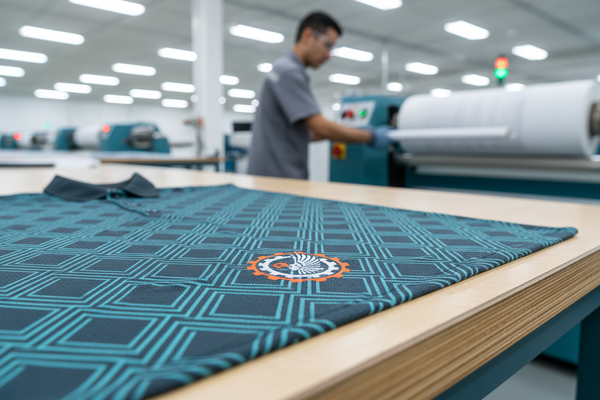
Following the reactive dye fixation step, the fabric roll must pass through a multi-stage continuous open-width scouring pipeline to remove any residual, unbound chemical particles. The textile substrate moves through a series of wash boxes at decreasing temperatures, utilizing advanced non-ionic scouring agents to strip away loose surface ink molecules that would otherwise fail standard wet crocking inspection steps. The fabric then enters an enclosed stenter frame drying system where automated continuous compaction blankets apply steam and mechanical pressure to shrink the stretched knit loops back into a relaxed state, keeping post-wash lengthwise relaxation shrinkage constants under a tight 2% limit.
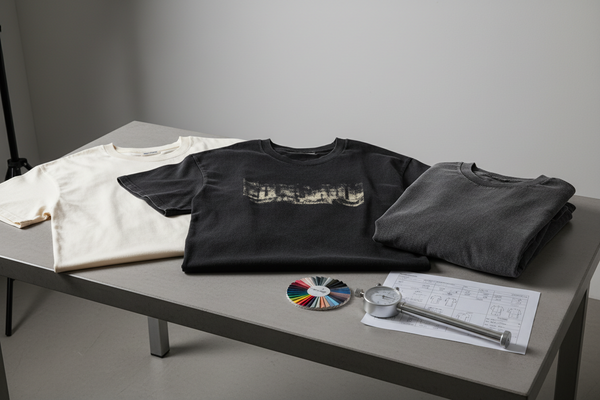
The final phase of factory-level stabilization involves applying a synthetic polymer cross-linking fixing agent that wraps the fiber bundle in a protective chemical sheath. This extra layer locks down any remaining loose pigment molecules and significantly increases the fabric's friction resistance parameters. Before the finished goods are cleared for international container packaging, technical auditors must cross-check the mill's digital spectrophotometer logs to confirm that all production lots perfectly match the master corporate color profiles, locking out color variations between subsequent seasonal reorders.
4. Risk Factors & Failure Cases
When an enterprise apparel network omits structural testing protocols, it exposes its fleet deployment to severe operational risks. The single most common failure event seen in high-turnover gym or corporate uniform programs is rapid pigment migration across contrast panels. For example, when a custom garment layout places deep charcoal or black cotton fleece panels directly next to white panels, any failure in wet crocking resistance will cause immediate color transfer during the moisture extraction phase of industrial washing. This structural defect permanently ruins the visual presentation of the gear and cannot be fixed by commercial pressing or stain treatment routines.
Another common issue is side-seam torque twist distortion, which occurs when a circular-knit fabric roll is processed under improper mechanical tensions at the mill. If the knitting loops are pulled too tightly during fast manufacturing runs without proper open-width compaction relaxation, the internal stresses remain locked inside the finished garments. The very first industrial wash cycle breaks the temporary structural bonds, causing the loop grain to rapidly twist along its natural torsional axis. This results in side seams warping more than 15 degrees horizontally across the wearer's torso, which distorts the uniform's fit and causes premature garment failure.
The ultimate failure case for an independent streetwear line or a fitness franchise is decoration cracking and surface peeling caused by improper ink curing temperatures. When screen printing plastisol or high-solid acrylic inks onto heavy knit substrates, the print layers must be fused at a constant internal temperature of exactly 160 degrees Celsius. If the factory's flash dryer suffers from uneven heat distribution, the ink surface cures while the core remains unbonded. When the athlete stretches the apparel under heavy loading or puts it through repeated commercial laundry runs, the unbonded ink layers crack and break apart, destroying the custom design asset.
5. Cost Structure Analysis
Let's look closely at the direct financial differences between sourcing through standard intermediary brokers versus setting up an integrated direct-to-factory buyout strategy. Traditional clothing procurement routes rely on a complex network of multi-tier trading brokers, each adding a 15% to 25% markup to your invoice without adding any actual quality verification value. These middlemen brokers typically source open-market blanks from cheap stock houses that skip crucial steps like open-width compaction and reactive dye stabilization to save on production costs. This leaves the corporate buyer paying premium prices for low-tier retail gear that fails quickly under high-use conditions.
By bypassing these intermediary brokers and executing a direct buyout program with a verified contract manufacturing plant, you completely eliminate these unearned markup layers. This financial freedom allows you to reinvest those funds back into premium material specifications—like combed ring-spun yarns and certified covalent vat-dye treatments—while keeping your total per-unit cost under budget boundaries. Working directly with the factory floor also gives your supply chain managers full transparency over processing logs and allows you to enforce strict quality checkpoints right at the source, preventing costly shipment rejections down the line.
The long-term amortization math proves that investing in high-fastness apparel assets yields a significant return on investment. Sourcing stabilized, pre-shrunk, vat-dyed uniform pieces might carry a 20% premium on your initial production invoice compared to cheap, open-market alternatives. However, because these stabilized garments are engineered to survive over 50 commercial laundry runs without fading or warping, your annual product replacement rates will drop by more than 45%. This structure lowers your true operational cost per employee shift, protects your capital allocation, and keeps your entire workforce looking sharp and consistent.
6. Technical Comparison Profile
To establish clear sourcing guidelines for your quality control teams, you need to move past vague quality definitions and establish hard, numeric performance thresholds. Sourcing agreements should explicitly separate retail-grade garment specifications from certified B2B fleet manufacturing metrics across every material class. The following technical comparison profile provides an operational benchmark matrix designed to protect corporate procurement allocations from low-tier stock components.
| Engineering Parameter Spec | Retail Stock Blanks Matrix | ApparelLots B2B Sourcing Protocol | Verification Test Method |
|---|---|---|---|
| Colorfastness to Laundering | Grade 2.0 - 2.5 (Severe Fade) | Grade 4.5+ (Stable Retention) | AATCC Test Method 61-2A |
| Wet Crocking Transfer Limit | Grade 1.5 - 2.0 (High Bleeding) | Grade 4.0+ (Zero-Bleed Bound) | AATCC Test Method 8 |
| Dye Lot Variance Cap | Visual Approvals (Shade Drift) | Delta-E CMC < 1.0 (Fixed Match) | Digital Spectrophotometer |
| Residual Relaxation Shrinkage | 6.0% - 9.5% Distortion Shift | < 2.0% Structural Constant | AATCC Test Method 135 |
Enforcing these performance thresholds ensures that incoming apparel shipments can withstand frequent high-intensity wash cycles without fading or stretching out of shape. Sourcing directors should include this exact data matrix in every contract manufacturing agreement, mandating that random production samples pass third-party laboratory verification before any remaining balance invoices are approved for payout.
7. Common Sourcing Mistakes
The most common and expensive sourcing error corporate clothing buyers make is relying on basic material weight data—like grams per square meter—as a universal guarantee of garment quality. A fabric can easily hit a heavy 360GSM specification while using cheap, low-grade open-end yarns that completely lack proper loop compaction or covalent dye fixation. Without verifying these underlying yarn and finishing parameters, your heavy hoodies and tees will still experience severe shrinkage, edge fraying, and massive color fading during their initial runs through commercial laundry services.
Another frequent mistake is approving contrast-paneled uniform layouts without checking the fabric's wet crocking resistance profile at the pre-production stage. Procurement teams are often won over by clean, contrast-paneled design proofs displayed on digital monitors, completely ignoring the textile physics of dye migration under high friction and moisture. If your supplier fails to apply non-ionic scouring treatments and proper polymer fixing agents to dark canvas panels, those rich pigments will bleed onto lighter accent zones during the first intense workout shift or automated wash cycle, making the gear unusable.
Finally, many buyers make the mistake of trusting visual color matching checks conducted under random warehouse lighting arrays instead of requiring automated, instrument-driven spectrophotometer verification. Fabric colors appear to change under different lighting setups, meaning an items lot that looks acceptable under factory lights can show noticeable shade variations when deployed under the bright LEDs of a premium tournament club or fitness studio. Skipping digital colorimetric spectro-matching rules leads to noticeable color variations across multi-season apparel reorders, which fragments your visual identity over time.
8. Supply Chain FAQ Summary
Managing a complex corporate or athletic apparel program requires ongoing vigilance across every stage of the manufacturing and finishing pipeline. Sourcing directors must build direct communication channels with their production facilities to ensure that technical requirements—like ring-spun fiber sorting, alkaline hydrolysis prevention, and precise thread tension calibration—are strictly executed across every batch run. By replacing general quality promises with clear, numerical engineering standards, you can insulate your brand from unexpected fading, shrinkage, and product failures.
Ultimately, a successful, long-lasting uniform rollout depends on choosing materials suited to the real-world demands of your operating environment. Choosing pre-stabilized, vat-dyed fabrics directly counteracts the corrosive effects of sweat acidity and aggressive commercial detergents, extending the useful life of your custom apparel assets. Protecting your initial capital investments through data-driven material selection and third-party laboratory verification lowers your long-term operating costs while keeping your frontline teams looking sharp, unified, and professional through every shift.