Inside ApparelLots: How We Source Premium Inventory from Global Retailers
A transparency report on the journey of wholesale apparel from big-box retailers to your business.
In the fast-paced world of apparel reselling, the difference between a thriving business and a struggling one often comes down to one thing: The Source. Every day, thousands of boutique owners and online sellers ask themselves, "Where can I find authentic, high-quality inventory that doesn't eat my entire margin?"

At ApparelLots, we realized early on that the traditional wholesale model was broken. It was filled with middlemen, hidden fees, and "mystery boxes" that left buyers disappointed. We decided to change the game by going straight to the top. This is the story of how we build and maintain our supply chain.
1. The Direct Contract Advantage
Most wholesalers buy from other wholesalers. We don't. ApparelLots operates on a direct-contract basis with some of the largest retailers in the United States and Europe. But how does this work? Major retailers—the ones you see in every high-end mall—constantly need to clear their racks to make room for new seasonal collections.
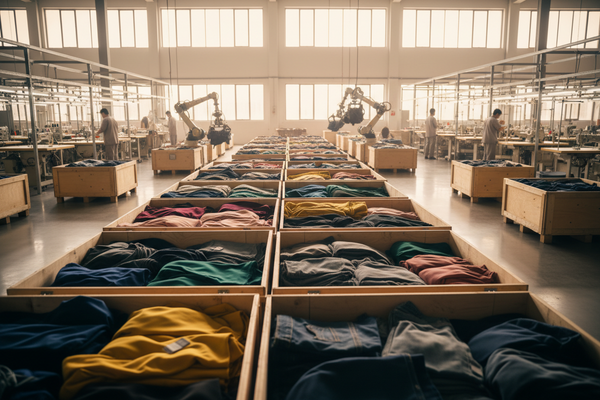
When a season ends, these retailers have three choices: store the items (expensive), mark them down until they sell for pennies (slow), or move them in bulk via liquidation contracts. Because ApparelLots has the logistical capacity to move truckloads of inventory at a moment's notice, we are the first phone call these retailers make.
Why Direct Sourcing Matters
- Authenticity Guaranteed: By skipping middlemen, we ensure that every piece of clothing is 100% authentic to the brand.
- Lower Unit Cost: Buying direct allows us to pass those savings on to you.
- Inventory Consistency: We get the first pick of the best lots before they are picked over by others.
2. Understanding the Inventory Ecosystem
Not all "liquidation" is created equal. One of the most common mistakes new resellers make is failing to understand the different classifications of wholesale clothing. At ApparelLots, we categorize our sourcing into three main buckets:
| Condition | What it is | Resale Value |
|---|---|---|
| Shelf Pulls | Items that were on store shelves but never sold. Usually have original tags. | Highest - Near Retail |
| Overstock | Warehouse inventory that never even made it to the store floor. Pristine condition. | Very High - Retail Ready |
| Customer Returns | Items returned by retail customers. Can range from NWT to slightly used. | Moderate - High Margin |
3. The ApparelLots Quality Control (QC) Protocol
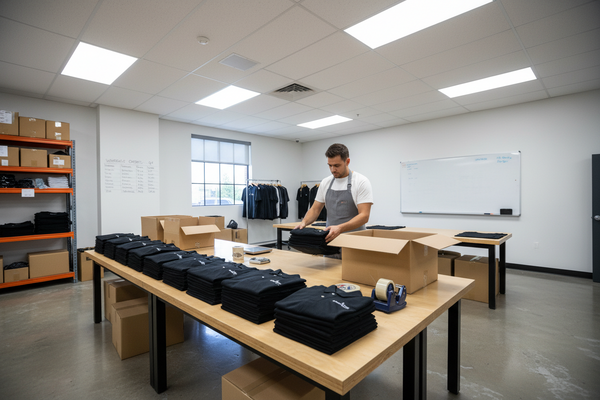
Sourcing is only half the battle. Once a truckload arrives at our central distribution hub, the ApparelLots team begins a rigorous 5-step inspection process. We know that as a reseller, your reputation depends on the quality of what you sell. If we send you junk, we lose a partner. It’s that simple.

Our team manually inspects samples from every lot. We check for zipper functionality, fabric integrity, and label accuracy. We then organize these items into Manifested Lots. This means when you buy a pallet from us, you often receive a detailed list of exactly what is inside—sizes, colors, and brand names. No more "guessing" what your money bought you.
4. Scaling Your Business with Our Sourcing
The beauty of the ApparelLots model is that it scales with you. Whether you are a "side-hustle" seller on Poshmark buying a single box or a national retail chain buying 20 pallets, our sourcing remains consistent. By partnering with us, you are effectively "hiring" our sourcing team. You get the benefit of our multi-million dollar contracts without having to sign them yourself.
5. Global Reach, Local Reliability
While our inventory comes from global giants, our focus is on local reliability. We understand the shipping hurdles, the import duties, and the logistics of moving bulk apparel. We have optimized our packaging to ensure that "Landed Cost" remains as low as possible. By compressing garments professionally and using optimized pallet dimensions, we save our clients thousands in shipping fees annually.